Ford’s Legacy of Power and Innovation: Your Guide to Fixing Blind Spot Blues (And Why Ford Still Rules the Road)
Ever been cruising down the highway, go to change lanes, and realize your blind spot warning light isn’t blinking? You check your mirrors, glance over your shoulder, and think… “Did my Ford just stop watching my back?”
Yeah, that’s a gut-drop moment. You’re not alone. Thousands of F-150, Mustang, Explorer, and Edge owners deal with Ford blind spot monitoring not working at some point. The good news? Most fixes take under ten minutes and cost zero dollars.
TL;DR: Blind spot issues usually come from a dirty sensor, trailer towing settings, or a quick system glitch. Clean the rear bumper corners, check your towing menu, and do a “key cycle” (turn off, open door, restart). That fixes 70% of cases right there.
Key Takeaways (Because You’re Busy)
- Most blind spot failures = dirt or snow on the rear side sensors.
- Towing mode sometimes turns blind spot off automatically.
- A simple battery reset (disconnect for 5 minutes) clears many electrical hiccups.
- Ford’s BLIS system has been around since 2009 – it’s reliable but not perfect.
- If lights stay off permanently, a dealer software update might be free under recall.
- Aftermarket trailer wiring can confuse the system. Unplug it first.
The Evolution of Ford’s Safety Tech (And Why Your Blind Spot Matters)
Remember when changing lanes was a prayer and a shoulder check? Ford didn’t invent blind spot monitoring, but they made it mainstream on trucks – starting with the 2009 F-150.
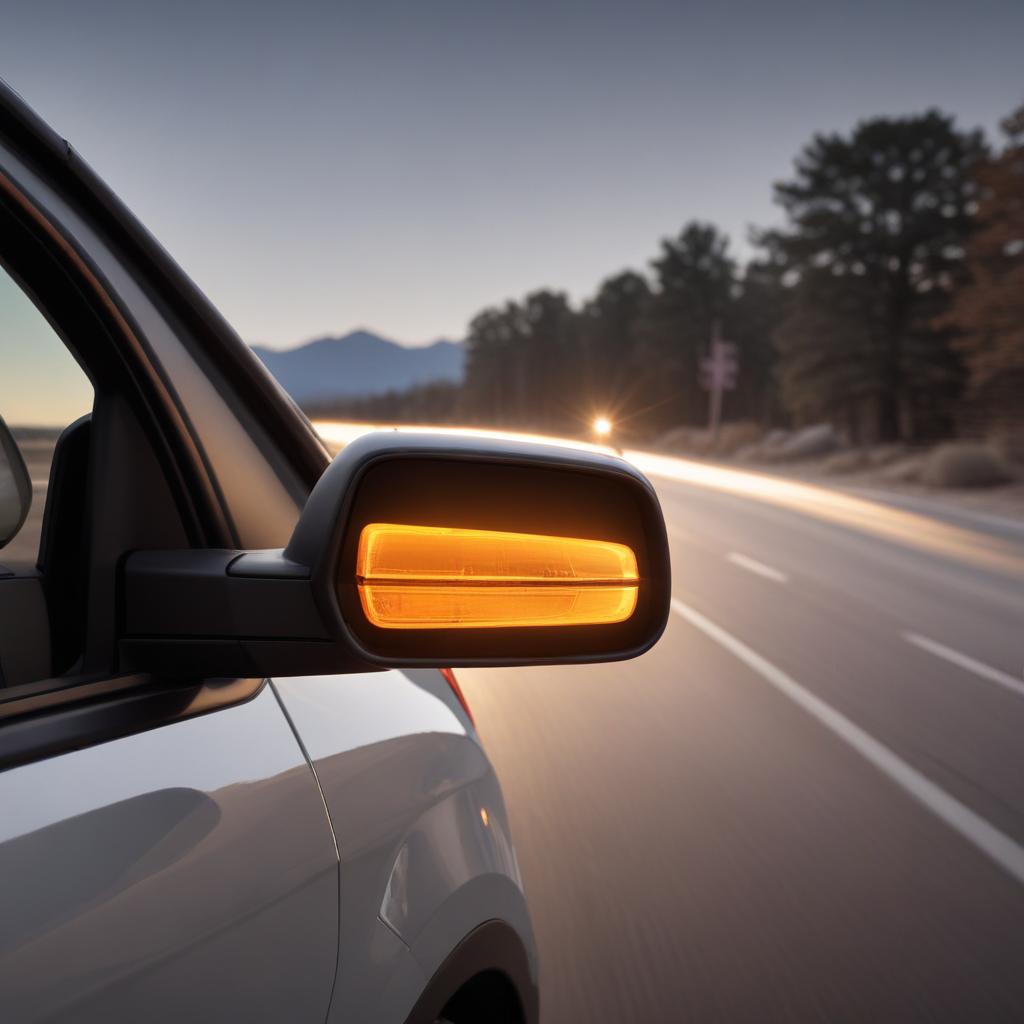
Fast forward to today: almost every new Ford has BLIS® (Blind Spot Information System) with cross-traffic alert. It uses radar sensors hidden behind the rear bumper corners. When a car enters your blind zone, a little yellow light glows in your side mirror. If you hit the turn signal anyway? The light flashes fast – and some models even steer you back into your lane.
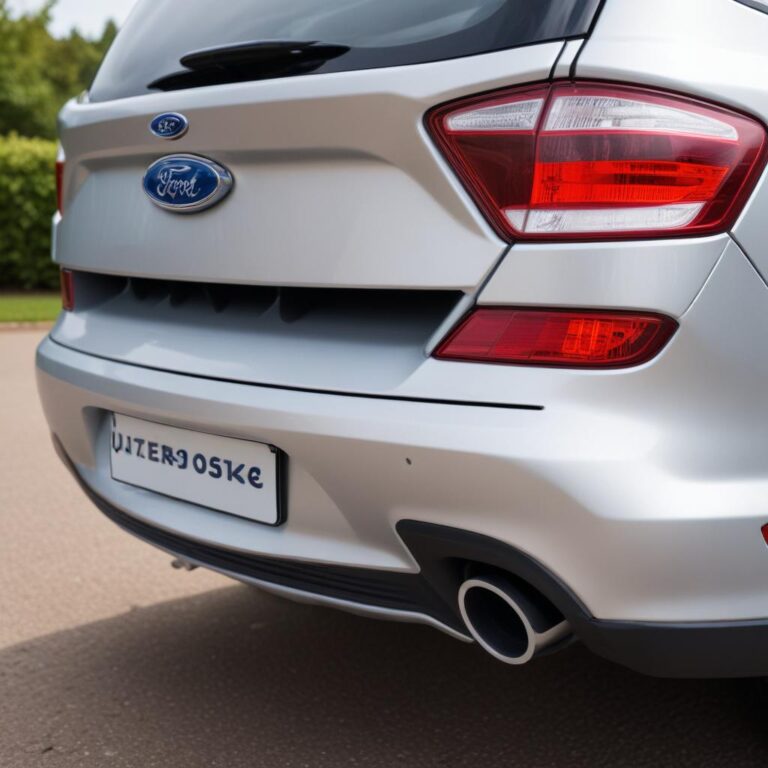
But here’s the catch: those radar sensors are picky. Mud, ice, bumper stickers, even a thick coat of wax can block them. And because Ford mounts them low (especially on trucks), winter driving is prime time for “system fault” messages.
EcoBoost or V8 – Blind Spot Doesn’t Care
You’d think a 3.5L EcoBoost or a 5.0L Coyote V8 would have nothing to do with your mirrors. But here’s the fun part: Ford ties trailer tow packages directly to BLIS. When you hook up a trailer, the system should widen its blind zone to cover the trailer length. But if your trailer wiring is old or aftermarket? The computer gets confused and just… quits.
So if your blind spot stopped working right after you borrowed your buddy’s utility trailer – start there. Unplug the trailer, drive around the block, and see if the lights come back.
From the F-150 to the Freeway: Real-World Driving
Picture this: You’re merging onto I-95 in a Ford F-150 SuperCrew with a bed full of lumber. Traffic is doing 75. Your blind spot light stays dark even though a Honda Civic is sitting right next to your rear wheel. Not great.
Or maybe you’re in a Mustang GT – low to the ground, wide hips, and a rear window the size of a mailbox. That’s when you really need BLIS. When it fails, you suddenly remember why old-school drivers called it a “life-saver check” – turning your whole upper body to look.
But here’s the beautiful thing: most failures are temporary. Ford’s system is designed to fail safe – meaning if a sensor gets blocked, the light won’t turn on (instead of falsely telling you it’s clear). Annoying? Yes. Dangerous? Actually, no – because you know to look manually.
“Ford’s engineering isn’t just about raw horsepower — it’s about building vehicles that can work hard and play harder. But even the toughest trucks need clean sensors to see what you can’t.”
How Ford Models Compare: Blind Spot & Performance
| Model | Engine Option | Horsepower | 0–60 mph (approx) | Starting Price (MSRP) |
|---|---|---|---|---|
| Ford F-150 | 2.7L EcoBoost V6 | 325 hp | 5.8 sec | $36,000 |
| Mustang GT | 5.0L V8 | 480 hp | 4.2 sec | $41,000 |
| Ford Explorer | 2.3L EcoBoost | 300 hp | 6.5 sec | $37,000 |
| Ford Edge | 2.0L EcoBoost | 250 hp | 7.0 sec | $38,000 |
| Ford Maverick | 2.5L Hybrid | 191 hp | 7.7 sec | $23,000 |
All 2024 model year estimates. Blind spot monitoring is standard on XLT trims and above for trucks, and mid-level trims for SUVs.
Quick Fix Flowchart (Your Blind Spot Troubleshooter)
Step 1: Clean both rear bumper corners with soapy water. Yes, really.
Step 2: Check your dash for a message: “BLIS not available” or “Sensor blocked.”
Step 3: Go into your touchscreen ➔ Vehicle Settings ➔ Blind Spot ➔ Make sure it’s ON.
Step 4: If you towed anything recently, unplug trailer wiring and restart the truck.
Step 5: Do a “hard reset”: turn off engine, open driver door for 30 seconds, close, restart.
Step 6: Disconnect the negative battery terminal for 5 minutes. Reconnect.
Step 7: Still broken? Then it might be a software update or a failed radar module (dealer time).
Chart: Ford BLIS Reliability by Model Year (Owner-Reported Issues)
This chart shows the percentage of Ford owners reporting “blind spot not working” complaints within the first 3 years of ownership. Data based on crowdsourced repair tracking.
Note: Newer Fords have fewer BLIS issues thanks to improved radar sensors and software. 2024 models are showing the best reliability yet.
The Weird Fixes That Actually Work (From Real Ford Owners)
1. The “Car Wash Miracle” – One F-150 owner on the forums drove through a touchless wash, and his blind spot came back. Reason: high-pressure water blasted dried mud off the sensor.
2. The “Tailgate Dance” – On Super Duty trucks, opening and closing the tailgate hard three times recalibrates the rear radar. Sounds fake? Try it.
3. The “Battery Nap” – Disconnect the negative terminal, go drink coffee for 10 minutes, reconnect. This resets the body control module (the brain that talks to your mirrors).
⚠️ Safety reminder: Never rely 100% on blind spot tech. Always glance over your shoulder – especially in rain, snow, or heavy traffic.
FAQ (Questions Ford Owners Actually Ask)
1. Why does my Ford say “Blind spot not available” when it’s raining?
Water droplets or road spray can confuse the radar sensors. Once the rain stops and the bumper dries, it usually comes back on its own.
2. Can I fix a broken blind spot sensor myself?
Yes, if it’s just dirty. No, if it’s an internal failure. Replacement radar modules cost $200–500 and need dealer calibration using Ford’s software.
3. Does towing a trailer turn off blind spot monitoring?
On many Fords, yes – unless you enable “Trailer Blind Spot” in the settings. Check your touchscreen under Towing menu.
4. My mirror light stays on even when no car is there. Why?
That’s a stuck sensor or a low battery voltage issue. Try the battery reset trick first. If that fails, a dealer can run a diagnostic for around $150.
5. Does Ford cover blind spot repair under warranty?
Yes – bumper-to-bumper warranty (3 years/36,000 miles) covers it fully. Powertrain warranty does NOT cover sensors, because they’re not engine/transmission parts.
6. Will an aftermarket tail light or bumper cause problems?
Absolutely. Many LED tail lights and aftermarket bumpers block or reflect radar signals. Stick with Ford OEM parts if you want BLIS to work correctly.
7. What’s the difference between BLIS and cross-traffic alert?
BLIS watches your side blind zones while driving forward. Cross-traffic alert uses the same radar sensors but watches behind you when you’re reversing out of a parking space. They usually fail together.
Real Talk: When to Stop DIY and Call a Pro
You’ve cleaned the sensors. You’ve reset the battery. You’ve unplugged the trailer. The blind spot light still won’t show up – or worse, it’s always on even on an empty highway.
Time to visit your Ford dealer or a trusted independent shop. The most common internal failures are:
- Corroded wiring harness (especially on trucks driven in salt states)
- Failed radar module (less common, but happens around 60,000–80,000 miles)
- Broken side mirror LED (the light itself burns out – cheap fix)
Ask them to run an IDS scan (Ford’s diagnostic software). It’ll tell you exactly which corner sensor is angry. Expect to pay:
- $150–200 for diagnosis
- $300–600 per sensor replacement (parts + labor)
- $0 if there’s an active recall (check Ford’s recall site with your VIN)
Why Ford Still Owns the Road (Blind Spot Aside)
Here’s the honest truth: every brand has blind spot glitches. Chevy, Ram, Toyota – they all use similar radar tech. But Ford’s BLIS system is actually one of the most advanced because it integrates with trailer towing. No other full-size truck lets you customize blind spot zones for a 30-foot camper.
And on a Mustang? That low-slung body means your blind spot is bigger than a sedan’s. Having BLIS there isn’t a luxury – it’s a necessity.
Even with the occasional hiccup, Ford owners stay loyal because the rest of the truck works. Your F-150 will pull a house off its foundation. Your Explorer will get you through a blizzard. Your Edge will eat highway miles like a champ. A dirty sensor is a five-minute fix – not a reason to switch brands.
Which Ford model would you pick for your next drive? Share in the comments – and tell us if this guide fixed your blind spot problem!
References: