Ford’s Interior Evolution: From Function to Luxury (2015–2025)
Slide into a 2015 F-150 and then hop into a 2025 model — you’ll swear they’re from different planets, not just different decades.
The Journey from Dashboard to Digital Command Center
Ford’s interior transformation over the past ten years tells a story bigger than just upgrading materials. It’s about understanding what drivers actually want: connectivity, comfort, and controls that make sense. The Blue Oval went from basic work-truck interiors to cabins that rival luxury brands.
Let’s explore how Ford reimagined every surface, screen, and stitch inside their vehicles from 2015 to today.
2015–2016: The Foundation Years
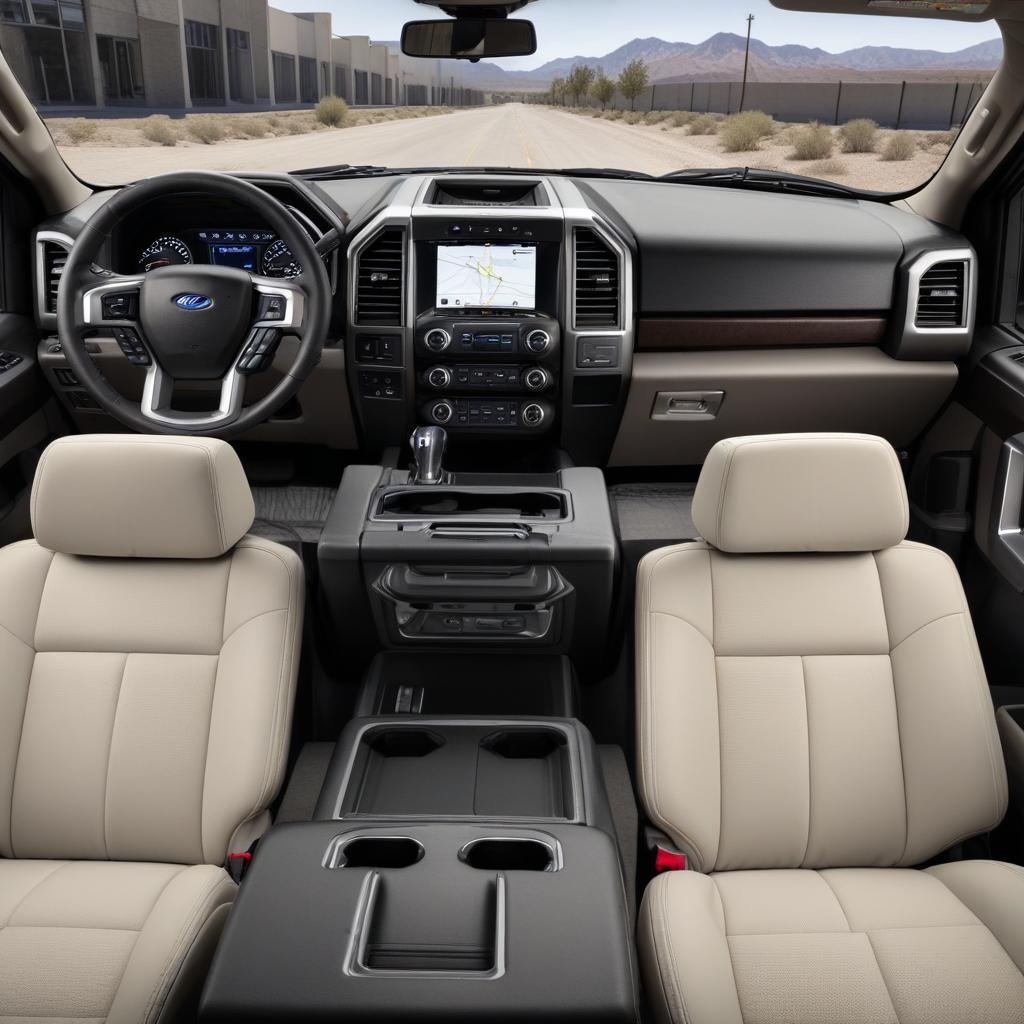
Back in 2015, Ford interiors were honest and straightforward. The F-150 featured hard plastics on the dash, physical buttons for everything, and SYNC 2 on a small 4.2-inch screen. Functional? Absolutely. Exciting? Not exactly.
The Mustang got some style points with retro-inspired dual-binnacle gauges and aluminum trim, but even the premium models felt a generation behind competitors. Cloth seats were standard across most models, and “luxury” meant adding leather without much thought to design flow.
Ford knew they had work to do — and they were already planning the revolution.
2017–2018: SYNC 3 Changes Everything
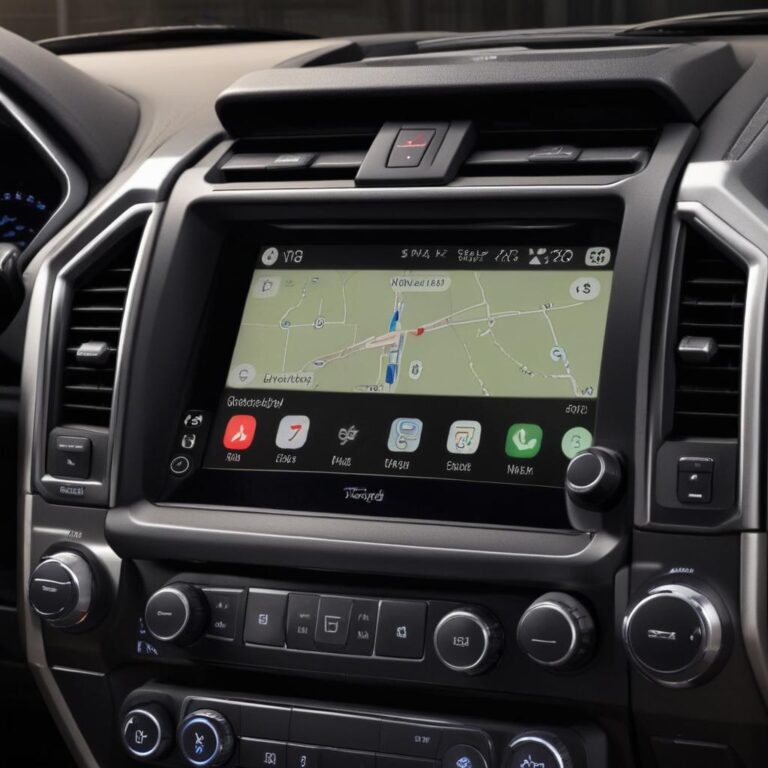
The introduction of SYNC 3 marked Ford’s first major leap forward. This system featured an 8-inch touchscreen with smartphone-like responsiveness and Apple CarPlay/Android Auto integration. Suddenly, your Ford felt connected to the modern world.
Interior materials improved noticeably. Soft-touch surfaces replaced hard plastics on upper dashboards. The Expedition and Navigator received particular attention — Ford was competing directly with Cadillac and Lincoln now.
“Good interior design isn’t about adding more features — it’s about making everything feel intuitive from the moment you open the door.”
The rotary shifter appeared in F-150s, freeing up center console space. Some drivers loved it, others missed the traditional column shifter. But it showed Ford was willing to experiment with cabin layout.
2019: The Digital Instrument Cluster Arrives
Ford introduced the 12-inch digital instrument cluster in premium F-150 models and the all-new Explorer. Drivers could customize what information appeared where — navigation maps, towing data, performance metrics, or classic analog-style gauges.
Ambient lighting became standard in higher trims, with multiple color options that actually looked sophisticated, not tacky. The Explorer Sport featured ActiveX seating material — Ford’s answer to leather that’s easier to clean and more durable for families.
Center consoles grew larger with clever storage solutions. The F-150 offered an optional fold-flat gear shifter that created a flat workspace perfect for laptops or lunch. Real truck owners loved this practical innovation.
2020–2021: Bronco Brings Adventure Aesthetic
The 2021 Bronco reintroduction showcased what Ford could do with purpose-driven interior design. Everything was designed to get wet, muddy, and dirty — then clean up easily. Rubberized floors, marine-grade vinyl seats, and MOLLE strap mounting points on the dashboard for accessories.
But here’s the clever part: the Bronco interior still felt upscale. The design language was rugged yet refined, proving adventure vehicles don’t need to feel cheap.
The Mustang Mach-E arrived with a stunning 15.5-inch vertical touchscreen and minimalist dashboard. Physical buttons nearly disappeared. The panoramic glass roof made the cabin feel twice as large. Ford was now designing interiors that rivaled Tesla.
2022: Massage Seats and Premium Audio
Ford partnered with Bang & Olufsen to offer high-end audio systems that genuinely impressed audiophiles. The 18-speaker setup in the Mustang Mach-E created concert-hall sound quality.
Massaging front seats became available across multiple models, not just the luxury Lincoln lineup. Long highway drives in an F-150 Platinum suddenly felt like spa sessions. Your back will thank you after that 800-mile road trip.
The Lightning electric truck featured a 15.5-inch touchscreen mounted horizontally and a mega power frunk (front trunk) with interior lighting and drainage — essentially an extra room for your vehicle. Interior versatility reached new levels.
2023: Sustainable Materials and Thoughtful Touches
Ford started incorporating recycled materials without sacrificing quality. Seat fabrics made from recycled plastics, bio-based foam cushions, and responsibly sourced wood trim appeared across the lineup.
The Mustang Dark Horse featured a fighter jet-inspired interior with flat-bottom steering wheel, deeply bolstered Recaro seats, and a track-focused gauge display. Every detail screamed performance.
Wireless charging pads finally worked reliably, and USB-C ports replaced older USB-A connections. Small changes that made daily life easier. Heated steering wheels became standard in more trims — once you have one, you’ll never go back.
2024–2025: The Modern Ford Interior
Today’s Ford interiors showcase a decade of learning and refinement. The 2024 F-150 offers a 12-inch touchscreen with SYNC 4, seamless voice commands that actually understand you, and BlueCruise hands-free driving integration.
Materials quality now matches or exceeds competitors. Even base models feature soft-touch surfaces in key areas. The available massaging seats in the F-150 Limited rival those in $80,000 luxury SUVs.
The Mustang interior balances digital technology with driver engagement. You still get physical buttons for critical functions — Ford learned that touchscreens aren’t ideal for everything, especially at high speeds on a track.
Customizable ambient lighting now offers 30 colors. Wireless Apple CarPlay and Android Auto work flawlessly. Over-the-air software updates keep the infotainment system current without dealer visits.
Ford Interior Features Comparison Across the Decade
| Feature | 2015 Models | 2020 Models | 2025 Models |
|---|---|---|---|
| Touchscreen Size | 4.2–8 inches | 8–12 inches | 12–15.5 inches |
| Digital Cluster | Not available | Optional (12″) | Standard in premium trims |
| Wireless Charging | Not available | Optional | Standard or optional across lineup |
| Ambient Lighting | Limited colors | 7 colors | 30 colors |
| Massaging Seats | Lincoln only | F-150 Limited/Platinum | Multiple models and trims |
Interior Material Evolution: Quality Over Time
Key Interior Innovations That Changed Everything
Ford didn’t just add bigger screens — they rethought how drivers interact with their vehicles. Here are the breakthrough moments:
The Fold-Flat Shifter transformed the F-150 center console into a mobile office. Truck owners who work from job sites finally had a proper workspace.
SYNC 4 Voice Commands actually understand natural speech. You can say “I’m cold” and the system raises the temperature. No more robotic command memorization.
The Mega Power Frunk in the Lightning isn’t just storage — it’s a tailgate party power station with 11 outlets and enough space to store full-size luggage.
ActiveX Seating Material looks like leather, feels premium, but wipes clean with a damp cloth. Perfect for families, outdoor enthusiasts, and anyone who actually uses their vehicle.
What Drivers Say About the Evolution
Customer reviews tell the real story. Early 2015 models received complaints about cheap-feeling plastics and laggy infotainment. By 2020, reviews praised the intuitive touchscreens and comfortable seating.
The 2024-2025 models earn consistent praise for feeling like vehicles from a premium brand. Even work-spec trucks feature thoughtful design touches that make long days more comfortable.
J.D. Power interior quality ratings for Ford improved by 28 points from 2015 to 2024 — one of the industry’s biggest jumps.
Comparing Ford to Competitors
Chevrolet improved their interiors too, but Ford’s SYNC system generally reviews better than Chevy’s infotainment. Ram trucks offer stunning interiors with the available 12-inch vertical screen, creating serious competition.
Toyota’s interiors improved more slowly, giving Ford an advantage in the full-size truck category. The F-150 interior now feels a generation ahead of the Tundra in technology and materials.
Ford’s decision to offer wireless updates means your 2024 model can get better over time — something traditional automakers struggled to implement.
The Little Details That Matter
Sometimes it’s the small stuff that makes the biggest difference:
- Cupholders finally fit modern insulated tumblers and coffee cups properly
- Door pockets expanded to hold tablets and large water bottles
- USB ports multiplied — most models now offer 4-6 charging points
- Steering wheel controls became more intuitive with better button placement
- Climate vents redirect air more precisely, eliminating hot or cold spots
These aren’t headline features, but they’re what you interact with every single day.
Frequently Asked Questions
Can I upgrade my older Ford’s infotainment system?
Official upgrades from Ford are limited, but aftermarket companies like SYNC Gen4 retrofit kits exist for some models. However, they’re expensive ($1,500-$3,000) and may not integrate perfectly with all vehicle systems. Sometimes it’s more practical to trade up to a newer model.
What’s the difference between SYNC 3 and SYNC 4?
SYNC 4 features a faster processor, wireless Apple CarPlay/Android Auto, cloud-connected navigation with real-time traffic, and over-the-air update capability. The interface is also more customizable with larger, easier-to-tap buttons on the touchscreen.
Are Ford’s vegan leather seats as durable as real leather?
ActiveX seating material (Ford’s synthetic option) actually outperforms traditional leather in durability tests. It resists cracking, cleans easier, doesn’t absorb stains as readily, and doesn’t get as hot in summer or cold in winter. Many owners prefer it.
Do all Ford models now have digital instrument clusters?
Not yet. Base models still use traditional analog gauges, but most mid-level and premium trims offer at least an 8-inch digital display between analog speedometer and tachometer. Fully digital 12-inch clusters appear in higher trims across most models.
How does Ford’s ambient lighting compare to luxury brands?
Ford’s 30-color ambient lighting system rivals Mercedes and BMW. The lighting is strategically placed to enhance visibility without being distracting. It’s one area where Ford genuinely matches luxury competitors at a fraction of the price.
Can I get massaging seats in an F-150?
Yes, massaging front seats are available in F-150 Platinum and Limited trims. They offer multiple massage patterns and intensity levels. It’s the same technology Ford uses in the Lincoln Navigator, just with different upholstery.
What materials does Ford use that are actually recycled?
Ford uses recycled plastic bottles for seat fabrics, soy-based foam for cushions, reclaimed wood for trim pieces, and recycled carpeting. The Mustang Mach-E interior includes materials from recycled ocean plastics. It’s real sustainability, not just marketing.
The Road Ahead for Ford Interiors
Ford’s next generation of interiors will likely feature even larger screens, augmented reality displays, and smarter voice assistants powered by AI. The company is experimenting with biometric sensors that adjust settings based on driver stress levels.
Expect more sustainable materials without compromising luxury. And knowing Ford’s recent track record, they’ll keep physical controls for the functions you use most — a welcome contrast to the everything-on-touchscreen approach some competitors take.
Always keep your eyes on the road and minimize infotainment interactions while driving. Even the best technology shouldn’t distract from safe driving.
The Bottom Line on Interior Evolution
Ford transformed their interiors from purely functional spaces into environments people genuinely enjoy spending time in. The 2025 F-150 interior rivals luxury SUVs from a decade ago. The Mustang cabin balances heritage design with modern technology beautifully.
This wasn’t about copying competitors — it was about listening to customers who wanted better materials, smarter technology, and thoughtful design. Ford delivered on all three fronts.
Whether you’re choosing an adventure-ready Bronco, a luxury-focused F-150 Limited, or an electric Mustang Mach-E, Ford’s interior quality now matches the capability and performance they’re famous for.
Which Ford interior feature would you want in your next vehicle — the mega power frunk, massaging seats, or that gorgeous 15.5-inch touchscreen? Drop your thoughts in the comments!
References:
- Ford Motor Company Design Archives
- J.D. Power Interior Quality Studies (2015-2024)
- Consumer Reports Interior Material Analysis
- Automotive Interior Design Industry Publications
- Ward’s Auto Interior of the Year Awards