2026 Transit High-Roof Passenger Van: 253-Degree Rear Door Hinge Benefits
Ever tried loading a couch into a van while parked on a narrow street?
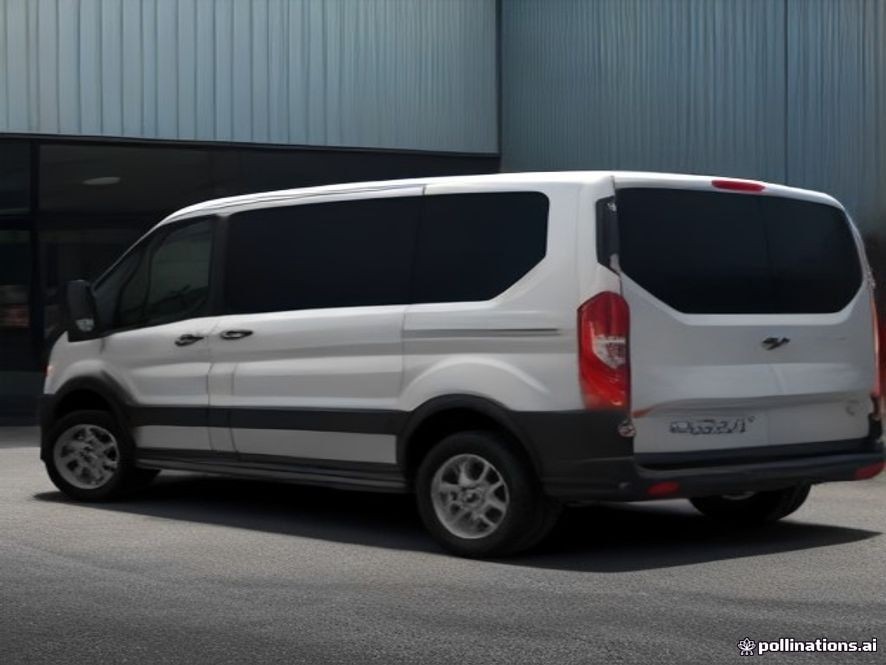
The standard 180-degree rear doors leave you squeezing past the door edge. The 2026 Transit High-Roof Passenger Van fixes that with an available 253-degree rear door opening. The doors swing almost flat against the van’s sides.
TLDR: The 253-degree rear door hinge is optional on 2026 Transit High-Roof Passenger Vans. It lets the rear doors swing nearly flat against the van body. This gives you a wider, unobstructed opening for loading cargo, gear, or passengers. It also makes curbside loading safer and easier in tight spaces.
Key Takeaways:
- 253-degree opening is optional on 2026 High-Roof Passenger Vans
- Doors swing almost flat against the van sides for maximum clearance
- Standard rear door opening is 180 degrees on most Transit configurations
- High-Roof Cargo Vans get 253-degree opening as standard
- The wider swing helps with curbside loading and tight urban streets
Why Does a 253-Degree Door Opening Matter?
What’s the real difference between 180 and 253 degrees?
A 180-degree hinge opens the door until it’s perpendicular to the van. The door sticks straight out. On a narrow street, that door becomes an obstacle. You have to walk around it. Carts and dollies hit it.
A 253-degree hinge lets the door swing past perpendicular and fold back toward the van’s side. The door ends up nearly flat against the body. You get a clear path straight into the cargo area.
The 2026 Transit High-Roof Passenger Van offers this as an option . Ford Authority confirmed the update for the 2026 model year .
The Cargo Van Difference
Here’s something interesting. The High-Roof Cargo Van already gets the 253-degree opening as standard equipment . Ford added it to the cargo van first. Now the passenger van can get it too.
This makes sense. Cargo vans are work vehicles. Passenger vans carry people and their gear. But anyone who’s loaded luggage or equipment into a high-roof van knows the struggle.
“The 253-degree opening turns a cramped rear entry into a proper loading dock. You stop fighting the door and start using the space.”
Real-World Benefits for Owners
Easier Loading in Tight Spots
Think about a typical airport drop-off or hotel curb. You’re parked in a narrow lane. You need to unload six suitcases. With 180-degree doors, you’re dodging the door on one side and traffic on the other. With 253 degrees, the doors tuck back. You have room to move.
Dealer sources highlight this exact benefit. The wider opening makes “curbside loading and urban drop-offs less complicated” . It also supports safer loading by “minimizing awkward angles on narrow streets and at crowded curbs” .
Better Access for Large Items
The 50/50 hinged rear doors already give you a wide opening. But the doors themselves block part of that width when they stick straight out. The 253-degree swing clears the doorway completely. You can slide a couch, a mattress, or a stack of boxes straight in.
Less Risk of Door Damage
A door sticking straight out at 180 degrees is a target. Wind can catch it. A passing car can clip it. Someone walking by can bump it. When the door folds back to 253 degrees, it sits close to the van body. It’s out of the way and protected.
Forum users discuss how wind can “snatch the rear door” out of your hands . Folding the door back reduces that exposed profile.
How the 2026 Transit Rear Door Configurations Compare
| Configuration | Standard Opening | Optional Opening |
|---|---|---|
| High-Roof Passenger Van | 180 degrees | 253 degrees |
| Low/Medium Roof Passenger Van | 180 degrees | 253 degrees |
| High-Roof Cargo Van | 253 degrees | — |
| Low/Medium Roof Cargo Van | 180 degrees | 253 degrees |
The pattern is clear. Ford reserves the 253-degree opening as standard for High-Roof Cargo Vans. Passenger Vans can get it as an option across most roof heights.
Charting Transit Rear Door Options
This chart shows which 2026 Transit configurations offer the 253-degree opening:
2026 Transit 253-Degree Rear Door Availability
Data from Ford official specifications and Ford Authority reporting .
Frequently Asked Questions
Is the 253-degree rear door opening standard on the 2026 Transit High-Roof Passenger Van?
No. It’s optional on High-Roof Passenger Vans. The standard opening is 180 degrees. It’s standard on High-Roof Cargo Vans .
Can I add the 253-degree hinge to a van that has 180-degree doors?
The hinges are different part numbers. A 180-degree hinge (HK3Z-1542900-E) and a 250-degree hinge (KK4Z-1542900-D) are listed separately in Ford’s parts catalog . Upgrading would require replacing the hinges. Ford lists these as requiring specialist installation .
What is Close Assist?
Close Assist is a feature that helps secure the rear cargo doors without a hard slam. It’s available on the 2026 Transit. It works with the 50/50 hinged rear doors to make closing easier .
Does the 253-degree opening affect the van’s turning radius or driving?
No. The rear door hinges don’t change how the van drives. They only affect how far the doors open when parked.
What’s the difference between 180, 253, and 270 degrees?
180 degrees means the door opens perpendicular to the van. 253 degrees lets the door swing past perpendicular and fold toward the side. 270 degrees is nearly flat against the side. Ford’s Transit uses 253 degrees for its widest factory option .
Can I mount accessories on the 253-degree hinges?
Aftermarket hinge-mounted accessories are common for vans. But the hinge design matters. Some accessories are designed for specific hinge types. Check compatibility before buying. Forum users note that hinge mounts may only fit certain degree hinges .
Does the 2026 Transit Passenger Van have windows in the rear doors?
Yes. The 50/50 hinged rear doors on Passenger Vans typically include windows. The 253-degree opening option doesn’t change the door design itself.
Always secure cargo properly before driving. Ensure rear doors are fully latched before moving the vehicle.
Would you spec the 253-degree rear door opening on your next Transit build? Share your thoughts below!
References: