Ford’s Recall History: A Decade of Safety, Fixes, and Trust (2015–2025)
Ever notice how Ford owners always defend their trucks like family? There’s something about that Blue Oval badge that creates serious loyalty — even when things go wrong.
Understanding Ford’s Recall Pattern Over the Years
Ford has built some of America’s most iconic vehicles, from the unstoppable F-150 to the legendary Mustang. But with millions of trucks, SUVs, and performance cars on the road, recalls happen. They’re not always a sign of poor quality — they’re often Ford catching issues early and fixing them before serious problems occur.
Let’s walk through every major Ford recall from 2015 to 2025, year by year, so you know what to watch for.
2015: Door Latch Issues Begin
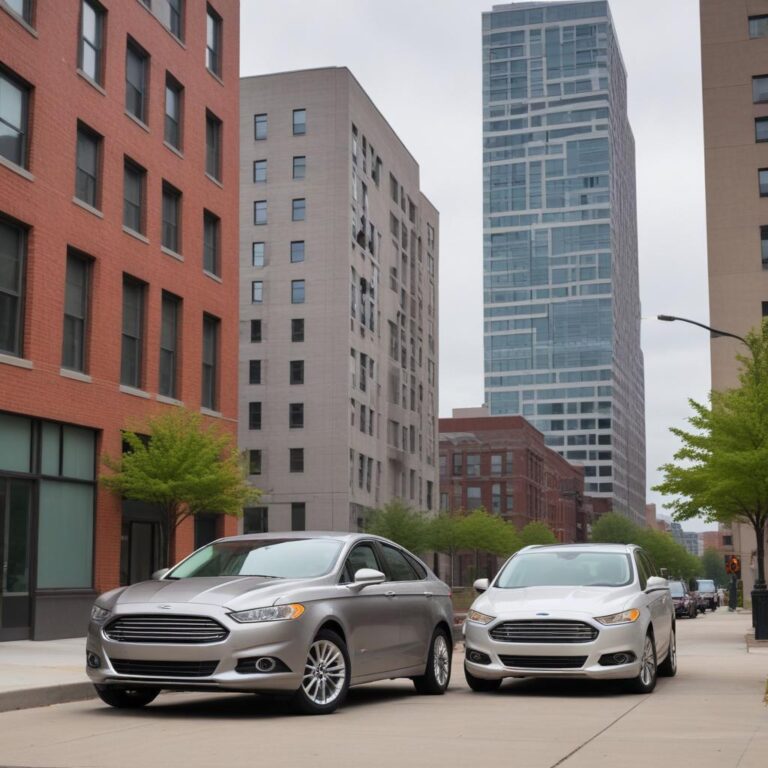
The biggest problem in 2015 involved door latches that wouldn’t stay closed. This affected over 2 million vehicles, including the F-150, Fusion, and Fiesta. The latch pawl spring could break, causing doors to open while driving — definitely not something you want on the highway.
Ford also recalled certain Escape models for fuel line cracks that could cause fires. Safety always comes first, even if it means bringing your truck in for repairs.
2016: Transmission Troubles and More Door Latches
Ford expanded the door latch recall to include even more models — now affecting 2.4 million vehicles total. The Focus with the dual-clutch automatic transmission (PowerShift) faced multiple complaints about shuddering and hesitation.
The company also recalled F-250 and F-350 Super Duty trucks because their parking brakes might not hold on steep grades. When you’re hauling a trailer up a mountain pass, that’s a real safety concern.
2017: Seat Belt Pretensioners Take Center Stage
In 2017, Ford recalled 230,000 vehicles for seat belt pretensioners that could break apart during a crash and shoot metal fragments into the cabin. This mainly affected the Fusion and Lincoln MKZ.
The Explorer got attention for exhaust leaks that could allow carbon monoxide into the passenger compartment — especially serious for police departments using Explorer-based patrol vehicles. Ford added a software update to turn on the cabin air recirculation system automatically.
“A recall doesn’t mean your vehicle is unsafe to drive today — it means Ford identified something that needs fixing before it becomes a bigger problem.”
2018: Engine Block Cracks and Fire Risks
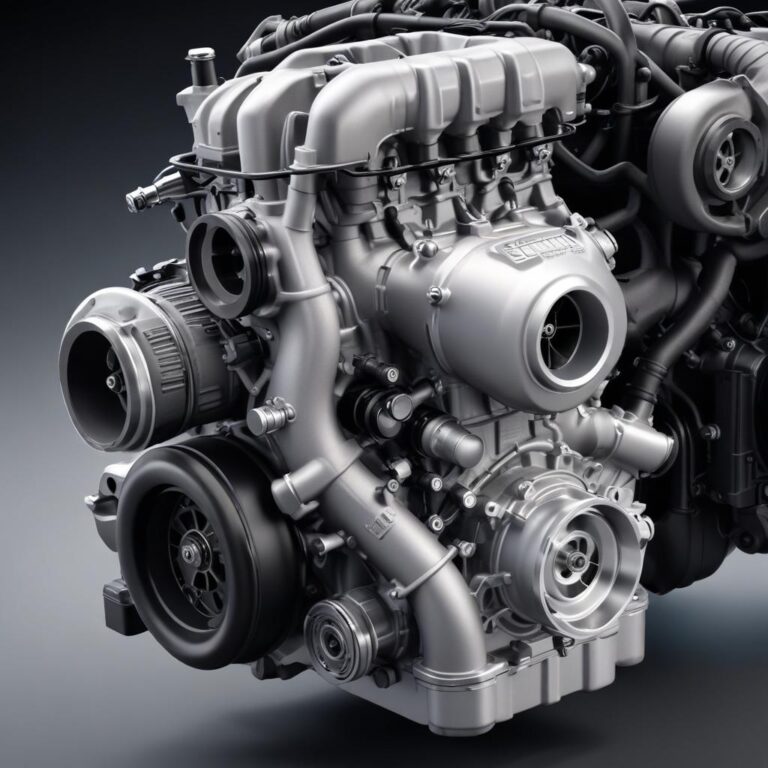
This year brought serious engine concerns for trucks with the 3.0-liter Power Stroke diesel. Cylinder head cracks could cause coolant leaks and potential engine fires. Ford recalled about 350,000 F-150 trucks for this issue.
The GT supercar — yes, even a $500,000 performance machine — got recalled for a hydraulic fluid leak that could cause the car to catch fire. Only about 200 vehicles were affected, but it shows recalls happen across all price ranges.
2019: Transmission and Rollaway Risks
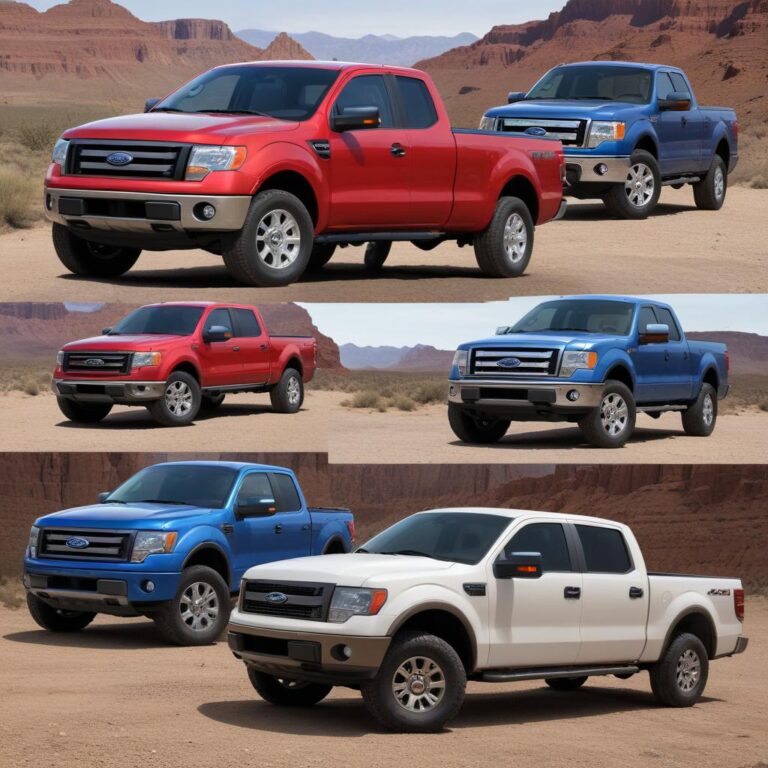
Ford recalled over 1.2 million F-150 trucks because the downshift to first gear could happen unexpectedly, causing the rear wheels to lock up. This created a serious crash risk, especially in wet conditions.
Another concern involved transmission shift cables that could detach. If that happens, the gear indicator might say “Park” when the vehicle is actually in another gear — creating a dangerous rollaway situation. Always use your parking brake, especially on hills.
2020: Suspension Failures and Battery Issues
The year 2020 brought recalls for F-Series Super Duty trucks with suspension frame cracks. Heavy use and corrosion could cause the rear axle mounting brackets to fail — not good when you’re towing a 20,000-pound trailer.
Ford also recalled certain Escape and Corsair SUVs for fuel injector cracks that could cause engine fires. The company recommended owners park outside until repairs were completed. When Ford says park outside, they mean it — better safe than sorry.
2021: Wiper Motor Fires and Brake Hose Problems
Windshield wiper motors overheating and catching fire affected about 350,000 Escape SUVs from 2020-2021 model years. Ford issued a “park outside” warning for this one too.
The Bronco Sport and Escape also faced recalls for brake hose cracks that could cause fluid leaks and reduced braking power. For a vehicle marketed as adventure-ready, brake reliability is crucial.
2022: Rearview Camera Failures and Software Glitches
Over 600,000 vehicles got recalled because rearview cameras could show a blank screen or distorted image. This affected multiple models including Expedition, F-Series, and Mustang Mach-E. Modern safety features only work when they actually function.
Ford also recalled F-150 Lightning electric trucks for potential battery overheating issues. The company stopped shipments temporarily and updated the battery management software before releasing more trucks to customers.
2023: More Battery Concerns and HVAC Fires
The Mustang Mach-E received multiple recalls for battery issues that could cause the vehicle to lose power while driving. Ford updated the software to monitor battery health more carefully.
F-Series trucks faced recalls for HVAC blower motors that could overheat and catch fire — another “park outside” situation. The climate control system is supposed to keep you comfortable, not create a fire hazard.
2024: Rear Cameras and Loss of Drive Power
Ford recalled nearly 1.9 million Explorer SUVs because a trim piece could fall off and become a road hazard. While not life-threatening, it shows Ford’s commitment to fixing even minor issues.
The Bronco and Ranger received recalls for rear axle bolts that could come loose, potentially causing complete loss of drive power. This mainly affected vehicles with certain rear axle configurations used for off-roading.
2025: Ongoing Monitoring and Quick Responses
So far in 2025, Ford has continued its pattern of catching and fixing problems quickly. Recent recalls have focused on software updates for newer electric and hybrid models, plus some airbag control module issues across various vehicles.
The company has improved its notification system — owners now get alerts through the FordPass app in addition to traditional mail notices.
Ford Model Comparison: Recall-Affected Vehicles Performance
| Model | Engine | Horsepower | 0-60 mph | Starting Price |
|---|---|---|---|---|
| F-150 (2024) | 3.5L EcoBoost V6 | 400 hp | 5.4 seconds | $37,900 |
| Mustang GT (2024) | 5.0L V8 | 486 hp | 4.3 seconds | $43,000 |
| Explorer (2024) | 2.3L EcoBoost I4 | 300 hp | 6.3 seconds | $38,500 |
| Escape (2024) | 1.5L EcoBoost I3 | 181 hp | 8.6 seconds | $30,000 |
| Bronco (2024) | 2.3L EcoBoost I4 | 300 hp | 7.1 seconds | $40,000 |
Ford Recall Trends: What the Data Shows
What Should Ford Owners Do?
Check your VIN regularly at Ford.com or the NHTSA website. Recall repairs are always free, even if your warranty has expired. Most dealerships can complete recall work within a few hours.
Don’t ignore recall notices. Some fixes are simple software updates, while others prevent serious safety problems. Ford’s recall response time has actually improved over the past decade — they’re catching issues faster than ever before.
Frequently Asked Questions
How do I check if my Ford has an open recall?
Visit owner.ford.com and enter your 17-digit VIN. You can also call Ford customer service at 1-866-436-7332. The FordPass app now sends automatic notifications when recalls affect your vehicle.
Are recall repairs really free?
Yes, absolutely. Federal law requires manufacturers to fix safety recalls at no cost to the owner, regardless of warranty status or vehicle age. This includes parts and labor.
What if I already paid for a repair that became a recall later?
Contact Ford customer service with your repair receipt. They typically reimburse owners who paid for repairs before the official recall announcement. Keep all your service records.
Can I still drive my Ford if there’s an open recall?
It depends on the severity. Some recalls allow continued driving while others recommend parking outside or limiting use until repairs are complete. Read the recall notice carefully and follow Ford’s specific recommendations.
How long does Ford take to fix recalls?
Simple software updates take 30-60 minutes. Parts replacement can take 2-4 hours depending on the component. If parts aren’t available yet, Ford will notify you when they arrive at your dealership.
Why does Ford have so many recalls compared to other brands?
Ford produces more vehicles annually than most manufacturers — over 4 million globally. More vehicles means more potential issues. Also, Ford tends to issue recalls proactively rather than waiting for accidents to occur.
Do recalls affect my vehicle’s resale value?
Completed recalls usually don’t hurt value. Uncompleted recalls can reduce offers from dealerships and private buyers. Always get recalls fixed before selling — it shows you maintained the vehicle properly.
The Bottom Line on Ford Reliability
Recalls are part of modern vehicle ownership across all brands. Ford’s proactive approach to safety issues actually demonstrates good engineering practices — they identify problems and fix them quickly.
The F-150 remains America’s best-selling truck for over 40 consecutive years. The Mustang still delivers that V8 rumble enthusiasts crave. And Ford’s transition to electric trucks with the Lightning shows they’re innovating for the future.
Always obey local speed limits and drive responsibly. Regular maintenance and staying current on recalls keeps your Ford running strong for 200,000 miles and beyond.
Which Ford model would you pick for your next drive — the work-ready F-150, the adventure-seeking Bronco, or the track-hungry Mustang? Share your thoughts in the comments below!
References:
- National Highway Traffic Safety Administration (NHTSA) Recall Database
- Ford Motor Company Official Recall Information
- Consumer Reports Automotive Safety Data
- Automotive News Industry Analysis