Ford’s Timeless Classics: 2010-2015 Models That Aged Like Fine Wine
You know that feeling when you see a ten-year-old car and think, “Wow, that still looks brand new”? Some Ford models from 2010-2015 have that magic touch—they refuse to feel outdated, and honestly, they’re getting better with age.
The Ford Models That Defy Time
2011-2014 Ford Mustang: Modern Muscle That Still Turns Heads
The fifth-generation Mustang from this era hit a sweet spot that’s hard to explain. Ford updated the styling just enough to look contemporary without losing that classic pony car soul. The aggressive front fascia, sculpted hood, and three-bar taillights created a timeless silhouette.
What really sets these apart is the Coyote V8 engine in the GT models. This 5.0-liter powerhouse delivered 412-420 horsepower depending on the year, with a soundtrack that still gives enthusiasts goosebumps. The engine was overbuilt, meaning it handles modifications beautifully and runs strong even at high mileage.
The aftermarket support for these Mustangs is incredible—you can find parts and upgrades for decades to come.
“Ford’s 2011-2014 Mustang represents the perfect bridge between old-school muscle and modern technology. It’s analog enough to feel raw, but refined enough to drive daily.”
The manual transmission feels mechanical and engaging. The interior, while not luxurious, has aged gracefully with its retro-inspired gauges and driver-focused layout. Today’s prices remain strong because these cars deliver genuine American muscle without the complexity of newer turbocharged models.
2013-2015 Ford Fusion: The Sedan That Predicted the Future
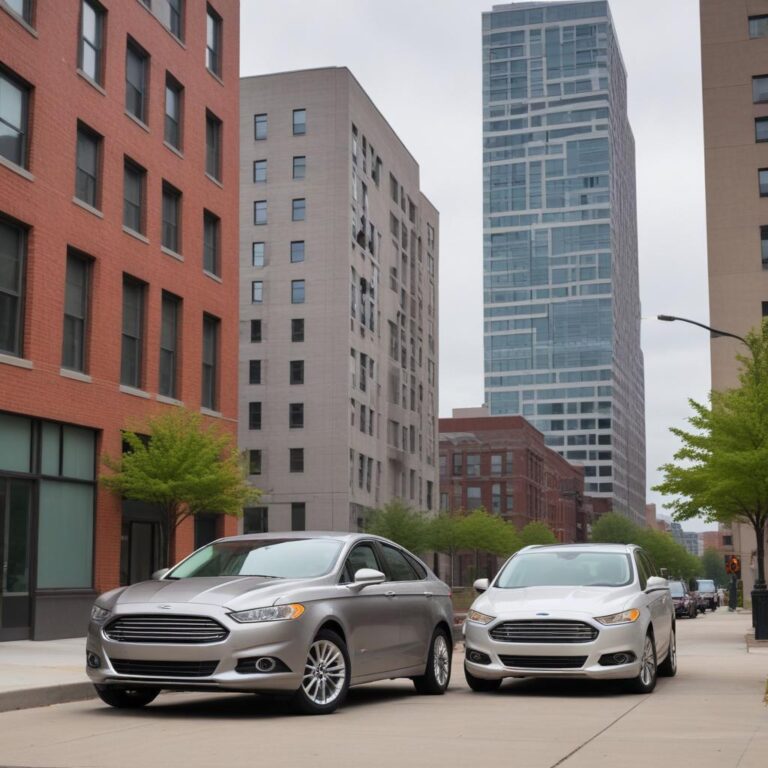
When Ford revealed the redesigned Fusion for 2013, people actually stopped and stared. The Aston Martin-inspired grille and sweeping roofline made it look expensive. Even now, a clean Fusion from this generation doesn’t scream “decade-old sedan.”
The interior quality took a massive leap forward. Soft-touch materials, available ambient lighting, and the SYNC infotainment system felt genuinely premium. Ford offered everything from efficient four-cylinders to a powerful 2.0L EcoBoost and even a plug-in hybrid variant.
These Fusions have held up remarkably well. The body-on-frame construction remains solid, the paint stays glossy, and the technology doesn’t feel ancient. Finding one with low miles today means getting a stylish, reliable sedan for a fraction of the original cost.
Always maintain proper tire pressure and alignment for optimal handling and tire life.
2011-2014 Ford F-150: The Truck That Wrote the Blueprint
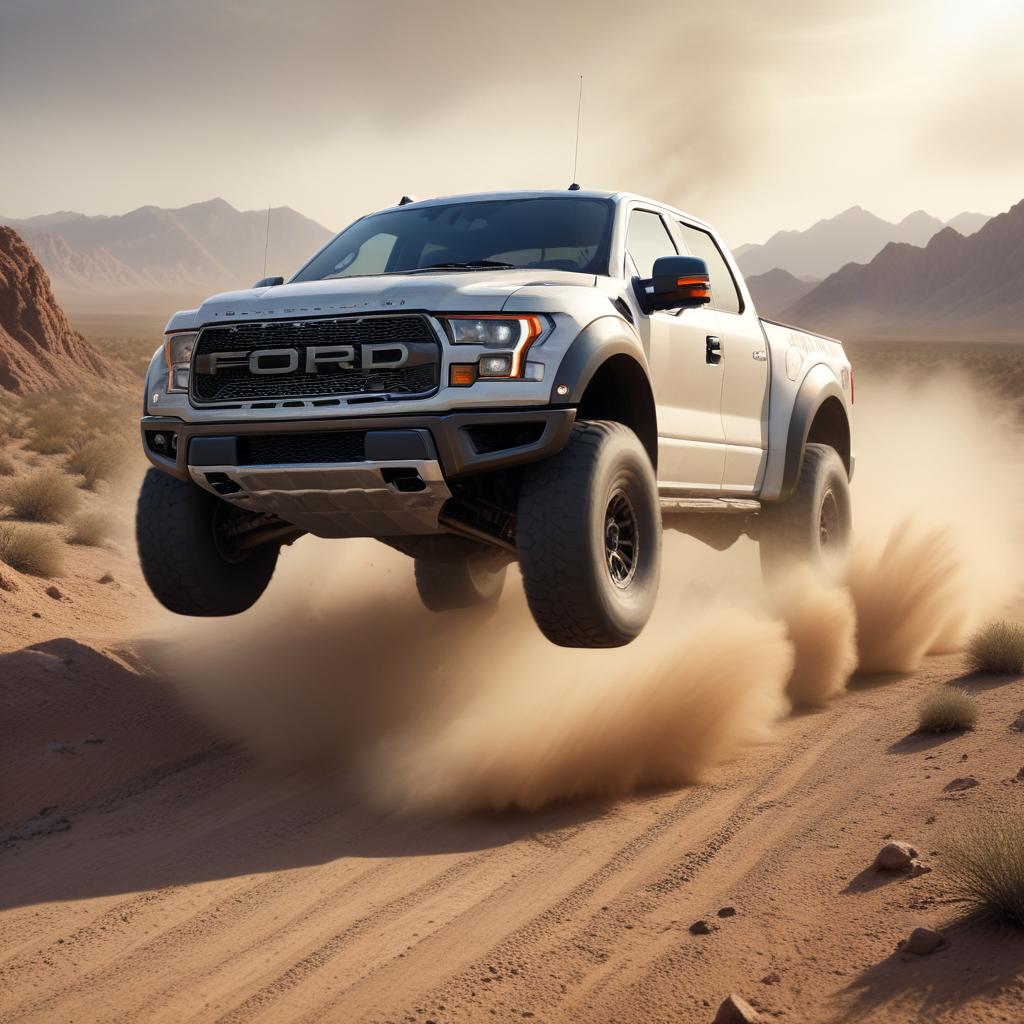
Here’s where Ford really nailed it. The twelfth-generation F-150 introduced styling cues that still influence truck design today. The bold grille, muscular fenders, and clean lines give it a presence that hasn’t dated one bit.
But the real story is what’s under the hood. Ford offered the legendary 5.0L V8, the reliable 3.5L V6, and introduced the revolutionary 3.5L twin-turbo EcoBoost that changed everything. That EcoBoost proved you could tow 11,300 pounds with a V6, silencing skeptics everywhere.
These trucks are workhorses. Owners regularly report 200,000+ miles with basic maintenance. The interiors wear well, especially models with the XLT or Lariat trim. Rust protection improved significantly during these years, so clean examples from non-salt states look nearly new.
The Ford F-Series has been America’s best-selling vehicle for over 40 years—these models show exactly why.
The technology feels modern enough. Available features like blind-spot monitoring, backup cameras, and trailer brake controllers remain useful today. And the aftermarket support is endless, from performance upgrades to restoration parts.
2013-2014 Ford Explorer Sport: The Sleeper SUV
Most people forget Ford built a genuinely quick Explorer during these years. The Sport trim packed the twin-turbo EcoBoost V6 with 365 horsepower and aggressive styling that still looks contemporary. The blacked-out grille, body-colored cladding, and 20-inch wheels gave it serious road presence.
This wasn’t just about straight-line speed. Ford tuned the suspension for better handling, added torque vectoring, and gave it paddle shifters for manual control. Families got seven seats and reasonable fuel economy, while enthusiasts got a full-size SUV that could hustle.
The design has aged beautifully. The interior layout remains intuitive, and the build quality holds up better than many competitors from that era. Finding a well-maintained Explorer Sport today means owning something unique that most people overlooked.
2012-2015 Ford Focus ST: Hot Hatch Perfection
The Focus ST arrived in 2012 and immediately became the benchmark for affordable performance. The distinctive Tangerine Scream orange and other vibrant colors still pop today. The aggressive body kit, twin exhaust tips, and sporty wheels created a look that remains fresh.
That 2.0L turbocharged four-cylinder delivered 252 horsepower through a crisp six-speed manual transmission. The torque steer became legendary—you felt connected to every input. Ford’s engineers created a chassis that balanced comfort for daily driving with serious capability on back roads.
“The Focus ST proved that practical and exciting aren’t mutually exclusive—Ford built a true driver’s car that happens to have a hatchback.”
These cars have developed a cult following. Enthusiast communities keep them alive with tips, parts sources, and modification guides. The Recaro seats still hold you perfectly, and the interior quality exceeds expectations for the price point.
Value Comparison: Then and Now
| Model | Original MSRP | Current Market Value | Depreciation | Enthusiast Rating |
|---|---|---|---|---|
| 2013 Mustang GT | $31,200 | $18,000-$24,000 | ~35% | ⭐⭐⭐⭐⭐ |
| 2013 Fusion Titanium | $33,900 | $8,500-$12,000 | ~70% | ⭐⭐⭐⭐ |
| 2013 F-150 XLT EcoBoost | $36,000 | $20,000-$28,000 | ~35% | ⭐⭐⭐⭐⭐ |
| 2013 Explorer Sport | $40,720 | $16,000-$22,000 | ~50% | ⭐⭐⭐⭐ |
| 2013 Focus ST | $24,495 | $12,000-$17,000 | ~40% | ⭐⭐⭐⭐⭐ |
Why These Models Age Gracefully
Several factors contribute to how well these Fords have aged. First, the design language was evolutionary, not revolutionary. Ford avoided gimmicks and trendy styling that would feel dated quickly. Clean lines and purposeful shapes remain attractive regardless of current trends.
Second, the mechanical components were proven and robust. The Coyote V8, EcoBoost engines, and traditional transmissions in these models are known quantities. Parts availability remains excellent, and independent mechanics can service them without dealer-specific tools.
Third, Ford hit a sweet spot with technology. These vehicles offer modern conveniences like Bluetooth connectivity, backup cameras, and stability control without the complexity of today’s ultra-connected cars. The systems work reliably and don’t require constant software updates.
The build quality during this period showed real improvement. Ford invested heavily in manufacturing processes, better materials, and quality control. The result? Vehicles that feel solid even after a decade of use.
Remember: Regular maintenance preserves value and safety. Follow recommended service intervals and address issues promptly.
Depreciation Curves: Ford Models 2013-2024
What Makes a Vehicle Age Well?
Not every car becomes a classic, but certain characteristics help vehicles remain relevant and desirable over time. These Ford models share common traits that contribute to their longevity.
Timeless styling matters more than flashy trends. The aggressive but clean lines on these Fords avoid looking dated because they focus on proportion and purpose rather than copying temporary fashion.
Proven powertrains ensure long-term reliability. The engines and transmissions in these models had been tested and refined. Ford didn’t experiment with unproven technology during this period, giving buyers confidence in long-term ownership.
Strong enthusiast communities keep vehicles alive. Active forums, social media groups, and local clubs mean knowledge sharing, parts sourcing, and continued interest. The Mustang, Focus ST, and F-150 all benefit from passionate owner bases.
Parts availability determines whether a vehicle becomes a collector’s item or just old. Ford’s commitment to parts support and the massive aftermarket ensures these models can be maintained affordably for years.
Frequently Asked Questions
Are 2011-2014 Mustangs reliable for high-mileage driving?
Yes, especially the Coyote V8 models. These engines regularly exceed 200,000 miles with proper maintenance. The manual transmissions are bulletproof, while the automatic gearboxes require regular fluid changes. Common issues include minor oil leaks and worn suspension bushings, but overall reliability is excellent for a performance car.
What should I look for when buying a used 2013-2015 Fusion?
Check the transmission fluid condition and shift quality, as the six-speed automatic can develop issues if not maintained. Inspect the door handles, which sometimes fail on higher-mileage examples. Verify the SYNC system works properly, though updates are available. Look for service records showing regular oil changes, especially on EcoBoost models.
How does the 3.5L EcoBoost compare to the 5.0L V8 in F-150s?
The EcoBoost delivers more low-end torque and better towing capability, while the V8 offers smoother power delivery and simpler maintenance. The EcoBoost requires premium fuel for best performance and has more complex components like turbochargers. The V8 is more traditional and easier to work on. Both are reliable when maintained properly. Choose based on your needs: towing favors EcoBoost, while longevity and simplicity favor the V8.
Is the Focus ST expensive to maintain?
Not particularly. Regular maintenance costs are reasonable for a performance car. The turbocharger is robust, and the engine doesn’t have major common failures. Budget for high-quality synthetic oil changes every 5,000 miles, performance brake pads, and premium tires. Enthusiast ownership means parts are readily available and affordable. Avoid aggressive modifications without proper tuning to ensure reliability.
Why do Mustangs from this era hold value better than other sports cars?
Several factors contribute: strong enthusiast demand, excellent aftermarket support, proven reliability, and the iconic Mustang nameplate. The Coyote V8 is highly sought after for both stock and modified applications. Unlike some competitors that depreciated heavily, Mustangs maintain interest across multiple buyer demographics from collectors to daily drivers to track enthusiasts.
What makes the Explorer Sport different from regular Explorers?
Beyond the twin-turbo engine, the Sport received upgraded brakes, a sport-tuned suspension, paddle shifters, unique interior trim, and distinctive exterior styling. The all-wheel-drive system includes torque vectoring for better handling. It’s essentially Ford’s performance SUV, sitting between the standard Explorer and future ST models. Production numbers were relatively low, making clean examples increasingly desirable.
Will these Ford models become collectible?
The Mustang GT and Focus ST are already showing collectible tendencies, with clean, low-mileage examples appreciating slightly. The F-150 EcoBoost models may develop historic significance as the truck that changed the industry. The Fusion and Explorer Sport will likely remain affordable for years but could gain appreciation in specific enthusiast circles. Maintaining originality and documentation helps future collectibility.
The Aging Process Continues
Time reveals a vehicle’s true character. These 2010-2015 Ford models have passed the crucial ten-year test, proving they weren’t just good cars for their time—they’re genuinely well-built machines that continue serving owners reliably.
The styling choices Ford made look increasingly smart. While competitors chased aggressive angles and complex shapes, Ford’s restrained approach created designs that feel fresh a decade later. The interiors might not have fancy screens, but the layouts work intuitively.
Mechanically, these Fords benefit from timing. They arrived after Ford’s quality renaissance but before the industry’s obsession with complexity. You get modern features without the fragility of cutting-edge technology. The drivetrains are powerful yet proven.
Values tell the story clearly. Performance models like the Mustang GT and Focus ST are stabilizing or even appreciating slightly in clean condition. The F-150 holds value remarkably well for a truck. Even the Fusion, which depreciated like most sedans, offers tremendous value for buyers seeking reliable transportation.
Keep your Ford aging gracefully: follow maintenance schedules, address rust prevention in harsh climates, and preserve original components when possible.
Your Turn to Decide
These Ford models prove that aging well isn’t about being perfect—it’s about being honest, capable, and built with integrity. They deliver real performance, genuine utility, and dependable service without pretense or complexity.
The market is recognizing their value. Clean examples are becoming harder to find as enthusiasts discover these models offer more character and capability than many newer vehicles at similar price points.
Which 2010-2015 Ford has aged the best in your opinion? Are you driving one of these timeless classics? Share your experience in the comments below!
References
- Ford Motor Company – Official Model Specifications and Heritage Documentation
- Hagerty Valuation Tools – Classic Car Market Analysis 2024
- Kelley Blue Book – Historical Pricing and Residual Value Data
- Edmunds.com – Long-Term Ownership Reviews and Reliability Ratings
- National Automobile Dealers Association (NADA) – Used Vehicle Market Trends
- Consumer Reports – Vehicle Reliability and Owner Satisfaction Surveys