Ford’s Tech Revolution: How 2016-2020 Models Changed the Game Forever
Remember when connecting your phone to your car felt like rocket science? Ford decided that wasn’t good enough, and between 2016 and 2020, they completely rewired what we expect from our vehicles. These weren’t just cars with screens—they were rolling computers that happened to have wheels.
The Digital Transformation Begins
SYNC 3: Finally, Infotainment That Actually Works
Ford’s SYNC 3 system launched in 2016 and changed everything. The previous SYNC versions were… let’s just say they had issues. But SYNC 3 felt like someone finally asked actual humans what they wanted.
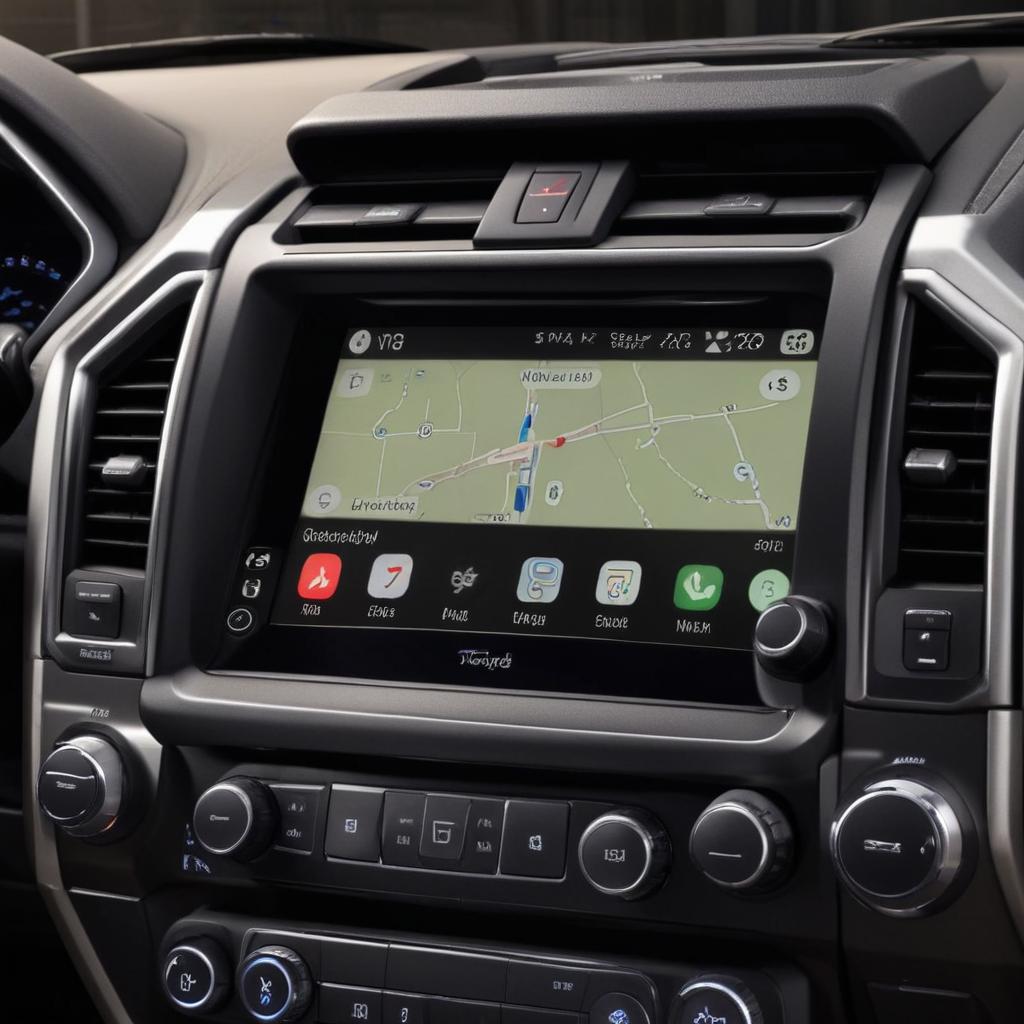
The interface responded instantly. No more waiting three seconds for the screen to register your touch. The voice recognition actually understood normal speech instead of requiring robotic commands. And Apple CarPlay and Android Auto integration meant your phone became the brain of the system.
The 8-inch touchscreen (or available 12-inch display in certain models) used simple, intuitive menus. Finding your destination, switching radio stations, or adjusting climate controls happened naturally. Ford also added physical knobs for volume and tuning—thank goodness—because touchscreens aren’t always ideal when you’re driving.
“SYNC 3 proved Ford was listening to customers. They took the criticism seriously and built an infotainment system that rivaled premium brands at mainstream prices.”
Fun fact: Ford partnered with BlackBerry QNX for SYNC 3’s operating system, the same software used in nuclear power plants for its reliability.
2017-2020 Ford F-150: The Aluminum Revolution Goes Digital
The second-generation aluminum F-150 arrived for 2015, but the 2017-2020 models received the real technological upgrades. Ford added a 10-speed automatic transmission co-developed with GM that shifted smoother and improved fuel economy by up to 2 mpg.
But here’s where it gets interesting. Ford introduced Pro Trailer Backup Assist, which turned backing up a trailer from nightmare into simple task. You control the trailer direction with a knob while the truck handles the steering. First-time tower? No problem. The system uses sensors and cameras to calculate everything.
The available 360-degree camera system provided a bird’s-eye view of your truck and surroundings. Parallel parking a full-size pickup suddenly became possible. Add in adaptive cruise control with stop-and-go capability, and highway commuting transformed from exhausting to relaxing.
The FordPass Connect modem turned your truck into a Wi-Fi hotspot supporting up to 10 devices. Remote start, lock/unlock, and vehicle location tracking happened through your smartphone. Parents could even set speed alerts and boundaries for teenage drivers.
Always stay alert and engaged while using driver assistance features. They supplement your driving, not replace it.
2016-2020 Ford Explorer: The Smart Family Hauler
The fifth-generation Explorer (2016-2019) and sixth-generation (2020) packed technology that made family road trips actually enjoyable. Rear-seat passengers got available dual headrest screens with wireless headphones, HDMI inputs, and separate climate zones.
Ford added enhanced active park assist that handled parallel and perpendicular parking automatically. The system identified suitable spaces, then controlled steering, acceleration, and braking. You just selected the spot and supervised.
The Intelligent 4WD system used sensors to monitor terrain and driving conditions, automatically adjusting torque distribution before wheels slipped. Seven selectable drive modes—Normal, Sport, Trail, Deep Snow/Sand, Slippery, Tow/Haul, and Eco—optimized performance for different conditions.
Safety technology became standard, not optional. Blind-spot monitoring with cross-traffic alert, lane-keeping assist, and automatic emergency braking protected families without drivers thinking about it. The systems worked quietly in the background, intervening only when necessary.
2019-2020 Ford Ranger: Modern Midsize with Global Tech
When Ford brought back the Ranger for 2019, it arrived with technology borrowed from global markets where it never left. The Terrain Management System offered four driving modes that adjusted throttle response, transmission shift points, and traction control.
The FX4 Off-Road Package added electronic locking rear differential, off-road-tuned suspension, and skid plates—all controlled digitally. Trail Control acted like low-speed cruise control for off-roading, maintaining steady speeds over difficult terrain while you focused on steering.
The 2.3L EcoBoost four-cylinder used advanced engineering including direct fuel injection, twin-scroll turbocharging, and variable valve timing. It delivered 270 horsepower and 310 lb-ft of torque while achieving decent fuel economy for a midsize truck.
Ford’s implementation of Auto Start-Stop on the Ranger was actually refined and unobtrusive. The system shut off the engine at stoplights, then restarted instantly when you released the brake. Most drivers forgot it was even working.
2020 Ford Mustang Shelby GT500: Supercharged Technology
The GT500 represented Ford’s technological peak for performance. The supercharged 5.2L V8 produced 760 horsepower—the most powerful street-legal Ford ever. But raw power wasn’t the story.
Ford developed a dual-clutch transmission specifically for this car. The Tremec 7-speed shifted faster than any human could with a manual, delivering brutal acceleration with seamless gear changes. Launch control optimized traction for perfect 0-60 runs in 3.3 seconds.
The MagneRide suspension adjusted damping rates 1,000 times per second, reading the road and adapting instantly. Drive modes ranged from comfortable street cruising to track-focused aggression. Carbon fiber wheels reduced unsprung weight for better handling and response.
The GT500’s supercharger spins at 12,000 RPM and forces 12 psi of boost into the engine—that’s serious engineering.
Advanced aerodynamics included an adjustable rear wing and functional cooling ducts. Ford Performance engineers used computational fluid dynamics to maximize downforce while maintaining cooling for the massive heat generated by 760 horses.
Technology Comparison: The 2016-2020 Lineup
| Model | Infotainment | Driver Assist | Connectivity | Performance Tech |
|---|---|---|---|---|
| 2017 F-150 | SYNC 3 (8″ touchscreen) | Pro Trailer Backup, 360-camera | FordPass Connect Wi-Fi | 10-speed auto, multiple engines |
| 2018 Explorer | SYNC 3 (8″ touchscreen) | Enhanced Active Park Assist | FordPass Connect Wi-Fi | Intelligent 4WD, 7 drive modes |
| 2019 Ranger | SYNC 3 (8″ touchscreen) | Blind-spot monitoring, Trail Control | FordPass Connect Wi-Fi | Terrain Management, EcoBoost |
| 2020 GT500 | SYNC 3 (8″ touchscreen) | Track Apps, Launch Control | FordPass Connect Wi-Fi | 7-speed DCT, MagneRide, 760 hp |
| 2020 Escape | SYNC 3 (8″ touchscreen) | Co-Pilot360, Evasive Steering | FordPass Connect Wi-Fi | Hybrid powertrain, auto start-stop |
The Safety Revolution Nobody Talks About
Ford didn’t just add flashy screens—they fundamentally improved safety through technology. The Co-Pilot360 suite became standard equipment across most models by 2020, bringing features once reserved for luxury cars to everyday Fords.
Automatic Emergency Braking with pedestrian detection scanned ahead constantly. If you didn’t react to an impending collision, the system braked automatically. Real-world data shows this technology prevents thousands of crashes annually.
Lane-Keeping System went beyond simple warnings. If you drifted toward lane markings without signaling, the system applied gentle steering input to guide you back. Combined with lane-departure warning, it created a safety net for momentary driver distraction.
The Blind Spot Information System with cross-traffic alert used radar sensors to monitor adjacent lanes and areas behind the vehicle. Indicators in side mirrors illuminated when vehicles entered blind spots. During reversing, the system warned of approaching cross-traffic.
Adaptive Cruise Control maintained set speeds and following distances automatically. In traffic, the system could bring the vehicle to a complete stop, then resume when traffic moved. Long highway drives became significantly less fatiguing.
“Ford democratized safety technology during this period. Features that cost thousands extra on luxury brands became standard equipment on mainstream Ford models.”
Remember: Technology assists drivers but never replaces attentive, defensive driving. Always maintain full control and awareness.
Ford Technology Adoption Rate (2016-2020)
The EcoBoost Evolution
Ford’s EcoBoost technology matured significantly during 2016-2020. Engineers refined turbochargers, improved cooling systems, and optimized engine management software. The results showed in both performance and reliability.
The 2.7L EcoBoost V6 in the F-150 became a favorite among truck buyers. It delivered 325 horsepower and 400 lb-ft of torque while achieving over 20 mpg highway—unthinkable numbers for a full-size truck just years earlier. The engine proved durable, with many examples exceeding 150,000 miles without major issues.
The 3.5L twin-turbo EcoBoost received upgrades for 2017, including port and direct fuel injection. This combination reduced carbon buildup while improving power delivery. In the F-150, it produced 375-450 horsepower depending on configuration, making it the go-to choice for serious towing.
Smaller EcoBoost engines also impressed. The 1.5L three-cylinder in the Escape and EcoSport delivered surprising power and excellent fuel economy. The 2.0L four-cylinder EcoBoost became the performance choice across multiple models, from the Explorer ST to the Edge ST.
Ford’s commitment to turbocharger reliability showed results. Better oil cooling, improved seals, and robust bearing systems meant EcoBoost engines lasted when properly maintained. Regular oil changes with quality synthetic oil became crucial for longevity.
Electrification Begins: Hybrid Technology
While full electric vehicles grabbed headlines, Ford quietly refined hybrid powertrains during this period. The technology prepared them for the coming electric revolution while offering practical benefits immediately.
The 2020 Escape Hybrid achieved 41 mpg city, making it one of the most efficient SUVs available. The seamless integration between gasoline and electric power meant drivers barely noticed transitions. The regenerative braking system captured energy normally wasted, storing it in the battery pack.
Ford introduced a plug-in hybrid version of the Escape that delivered 37 miles of electric-only range. For many commuters, that covered daily driving without burning gasoline. The system charged overnight on standard household current.
The hybrid technology used sophisticated power electronics to manage energy flow between the gasoline engine, electric motor, and battery. The planetary gearset transmission provided smooth, efficient operation without the harsh shifts of conventional automatics.
Ford’s hybrid development during this era laid groundwork for the F-150 Lightning and Mustang Mach-E that would follow.
The Mobile App Revolution
FordPass transformed how owners interacted with their vehicles. The smartphone app connected to your Ford through the built-in modem, creating features that felt futuristic even by today’s standards.
Remote start from anywhere with cell coverage meant stepping into a climate-controlled vehicle. No more scraping ice or sitting in sweltering heat. The app showed your vehicle’s location—perfect for crowded parking lots or monitoring teenage drivers.
The integrated Vehicle Health feature monitored maintenance needs and alerted owners to potential issues. Oil life, tire pressure, and service schedules appeared in the app. Some dealerships could run diagnostics remotely, diagnosing problems before you arrived.
FordPass also located nearby parking, gas stations with current prices, and even initiated contactless payment at participating fueling stations. The app transformed your phone into a comprehensive vehicle management tool.
Navigation destinations could be sent from your phone to the vehicle’s navigation system. Planning a route at home, then having it ready when you start the car? That’s the kind of integration that actually improves daily life.
Frequently Asked Questions
Is SYNC 3 better than SYNC 4 in newer Fords?
SYNC 3 remains excellent and gets regular updates through Wi-Fi or USB. SYNC 4 offers a larger screen, faster processor, and cloud-connected features, but SYNC 3 provides everything most drivers need with proven reliability. Many owners prefer SYNC 3’s simpler interface and dedicated physical controls.
How reliable are the 2017-2020 EcoBoost engines compared to traditional V8s?
When maintained properly with quality synthetic oil and regular changes, modern EcoBoost engines prove quite reliable. The key is following maintenance schedules strictly. EcoBoost engines run hotter and under higher stress than naturally aspirated engines. The 3.5L EcoBoost and 2.7L EcoBoost have strong track records. The 5.0L V8 remains slightly more durable for extreme high-mileage use, but the gap has narrowed considerably.
Can I add Apple CarPlay to an older Ford without SYNC 3?
Unfortunately, upgrading SYNC systems is extremely difficult and expensive. Aftermarket head units offer Apple CarPlay and Android Auto, but you lose integrated features like climate controls and vehicle settings. Some companies offer plug-and-play adapters, but results vary. Your best option is buying a 2016 or newer Ford with SYNC 3 already installed.
Does the Pro Trailer Backup Assist really work for beginners?
Yes, it’s genuinely helpful for new towers. The system takes practice but makes backing up trailers significantly easier. You still need to understand basic trailer dynamics and watch your surroundings carefully. It won’t replace experience, but it dramatically shortens the learning curve. Experienced towers still appreciate it in tight spots.
How much does the FordPass Connect Wi-Fi cost?
Ford includes complimentary data for a trial period (typically 3-6 months), then requires a subscription through AT&T. Data plans range from $20-$90 monthly depending on usage. However, FordPass app features like remote start and vehicle location work without a data subscription—only the Wi-Fi hotspot requires paid service.
Are the safety features like automatic emergency braking reliable?
Yes, but they have limitations. The systems work best in good weather and lighting conditions. Heavy rain, snow, or fog can reduce effectiveness. They’re designed as backup systems, not primary crash avoidance. Ford’s implementation is generally reliable, but driver attention remains critical. Regular sensor cleaning is important for optimal performance.
What happens when the SYNC 3 system needs updates?
Updates download through the vehicle’s Wi-Fi connection or via USB drive from Ford’s website. The process takes 30-60 minutes and shouldn’t be interrupted. Updates improve functionality, add features, and fix bugs. Ford releases updates several times yearly. Most owners update once or twice annually, though vehicles continue functioning fine without constant updates.
The Legacy of Innovation
Ford’s 2016-2020 technology push changed customer expectations permanently. Features once considered luxuries became standard equipment. The industry followed Ford’s lead, making cars smarter, safer, and more connected.
The democratization of advanced technology proved most significant. A base-model F-150 in 2020 offered features unavailable on luxury cars just five years earlier. Ford made technology accessible without premium pricing.
These innovations also prepared Ford for the electric future. The software architecture, connectivity features, and user interface designs developed during this period translated directly to electric vehicles like the Mustang Mach-E and F-150 Lightning.
The emphasis on user experience over flashy specs showed maturity. Ford focused on technology that solved real problems rather than adding features for marketing purposes. Pro Trailer Backup Assist helps actual truck owners. SYNC 3 responds quickly because responsiveness matters. Co-Pilot360 prevents real crashes.
Keep your Ford’s technology current: install software updates, maintain FordPass app, and familiarize yourself with all available features.
Your Connected Ford Experience
These 2016-2020 Ford models represent a turning point where vehicles became truly smart. The technology isn’t just impressive—it’s genuinely useful in daily driving. Remote start on cold mornings, navigation that updates with real-time traffic, safety systems that watch when you can’t.
The market values these technological improvements. Used Fords from this era with premium technology packages command higher prices than base models. Buyers recognize the convenience and safety benefits justify the premium.
Looking forward, these models will age well because the technology remains relevant. SYNC 3 still competes with current systems. Apple CarPlay and Android Auto ensure smartphone compatibility for years. The mechanical components behind the technology—EcoBoost engines, 10-speed transmissions, robust chassis—provide long-term durability.
Which Ford technology feature from 2016-2020 changed your driving experience the most? Share your favorite tech innovation in the comments!
References
- Ford Motor Company – SYNC Development History and Technical Documentation
- Society of Automotive Engineers (SAE) – Advanced Driver Assistance Systems Standards
- Insurance Institute for Highway Safety (IIHS) – Safety Technology Effectiveness Studies
- Consumer Reports – Infotainment System Reliability and User Satisfaction Rankings
- Automotive News – Ford Technology Investment and Development Timeline
- WardsAuto – Engine Technology Innovation Awards 2016-2020
- J.D. Power – Tech Experience Index Study Reports

