Ford’s Legacy of Power and Innovation: Classic Designs from 2016-2020
Ever hear the deep rumble of a V8 and just know it’s a Mustang? That’s the magic of Ford – their vehicles don’t just drive, they announce themselves. Between 2016 and 2020, Ford delivered some of the last truly classic American designs before the industry shifted hard toward electric. Let’s explore what made these years so special for Ford fans and gearheads alike.
The Evolution of Ford’s Powertrain Technology
Ford didn’t play it safe during this era. They pushed boundaries with engines that delivered serious torque while sipping fuel more efficiently than ever. This wasn’t your grandfather’s V8 anymore – though they kept those around too, because tradition matters.
EcoBoost Technology: Smart Power for the Modern Driver
The EcoBoost engine changed everything. Ford took smaller displacement engines, added twin-turbo technology, and suddenly you had V8 power from a V6. Some folks were skeptical at first – “Can a turbocharged six-cylinder really replace a V8?” – but the numbers spoke for themselves.
The 3.5L EcoBoost V6 in the F-150, for example, cranked out 375 horsepower and a massive 470 lb-ft of torque. That’s more pulling power than many V8 trucks from a decade earlier. You could tow your boat, haul supplies to the job site, and still get reasonable fuel economy on your daily commute.
Now here’s the fun part: Ford didn’t abandon traditional engines either. The Mustang GT kept its glorious 5.0L V8, while the F-150 offered everything from a fuel-sipping 2.7L EcoBoost to the legendary 3.5L PowerBoost hybrid that wouldn’t arrive until 2021. Choice was king.
“Ford’s engineering isn’t just about raw horsepower — it’s about building vehicles that can work hard and play harder.”
From the F-150 to the Freeway: How It Feels to Drive
There’s something visceral about driving these classic Fords. The F-150 with its body-on-frame construction feels planted and confident, whether you’re merging onto the highway or navigating a construction site. The steering is responsive without being twitchy, and the cab stays remarkably quiet even at 70 mph.
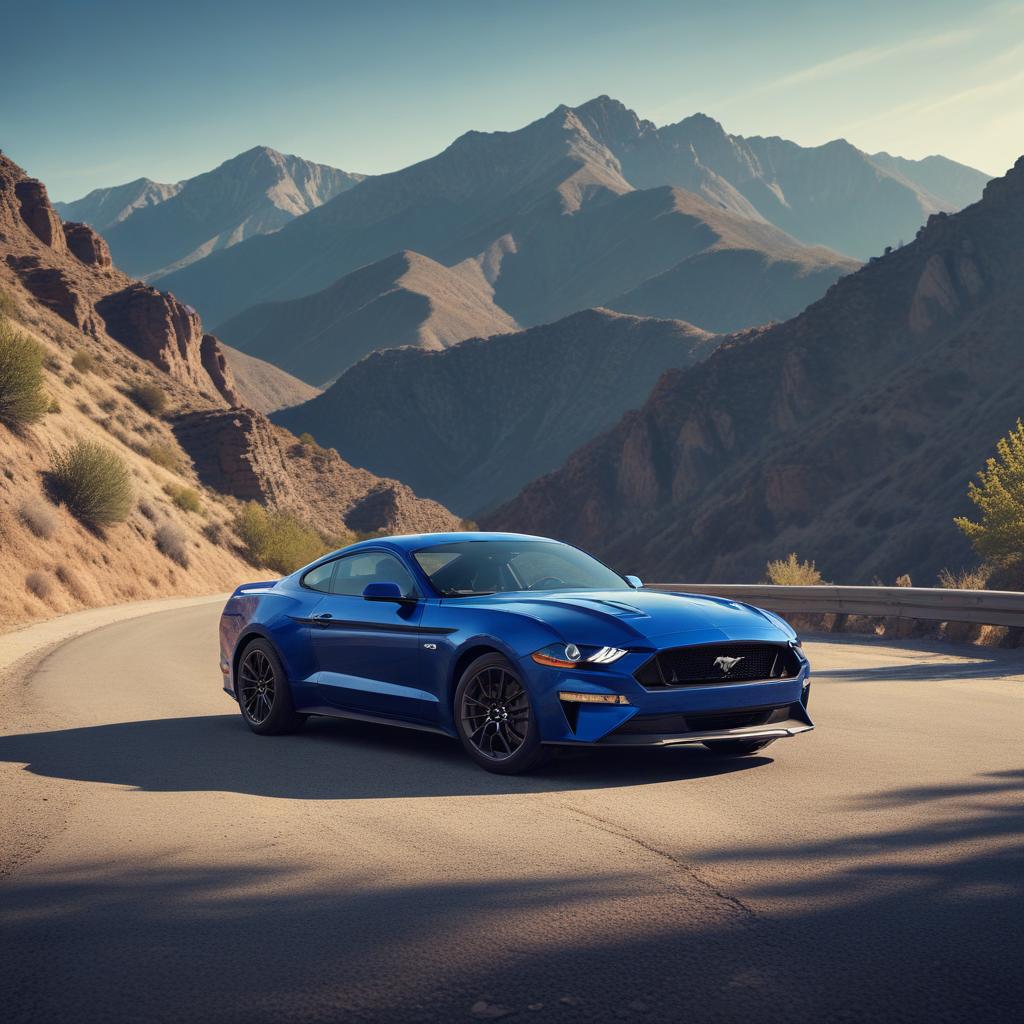
Behind the wheel of a 2018 Mustang GT, you feel connected to decades of American muscle car heritage. The 5.0L V8 doesn’t just accelerate – it launches. Press the throttle and you’re pushed back into those sport seats while the exhaust note sings behind you. Always obey local speed limits and drive responsibly, but man, does it feel good to know that power is there when you need it.
The Explorer and Escape offered something different: family-friendly versatility without sacrificing the Ford driving experience. These weren’t boring crossovers – they were versatile SUVs that could handle school runs during the week and weekend adventures without breaking a sweat.
Iconic Ford Models from 2016-2020: Performance Comparison
| Model | Engine | Horsepower | 0-60 mph | Starting Price (2020) |
|---|---|---|---|---|
| F-150 XLT (3.5L EcoBoost) | 3.5L Twin-Turbo V6 | 375 hp | 5.9 seconds | $42,000 |
| Mustang GT | 5.0L V8 | 460 hp | 4.3 seconds | $36,120 |
| Explorer ST | 3.0L Twin-Turbo V6 | 400 hp | 5.5 seconds | $54,740 |
| F-150 Raptor | 3.5L Twin-Turbo V6 | 450 hp | 5.2 seconds | $55,150 |
| Escape Titanium | 2.0L Turbo I4 | 250 hp | 7.0 seconds | $34,355 |
Note: Prices reflect 2020 model year MSRP; performance figures from manufacturer specifications
Performance Trends Across Ford’s 2016-2020 Lineup
Horsepower Evolution: Ford’s Performance Growth (2016-2020)
What Made These Years Special
The Ford F-Series has been America’s best-selling truck for over 40 years! But 2016-2020 represented something more than sales numbers. These were the final years before electrification became mandatory, before every new model came with a plug.
During this period, Ford perfected the art of the internal combustion engine. They squeezed more power from smaller displacements, improved fuel economy without sacrificing capability, and maintained that distinctive Ford character that made each vehicle instantly recognizable.
The Mustang got its most powerful naturally-aspirated V8 in the GT model. The F-150 became the first full-size truck with an aluminum body, dropping hundreds of pounds while maintaining legendary dependable engineering. The Explorer got a proper performance variant in the ST trim, proving that soccer-mom haulers could also be seriously quick.
These weren’t concepts or prototypes – these were production vehicles you could buy, drive hard, and count on for years.
Technology Meets Tradition
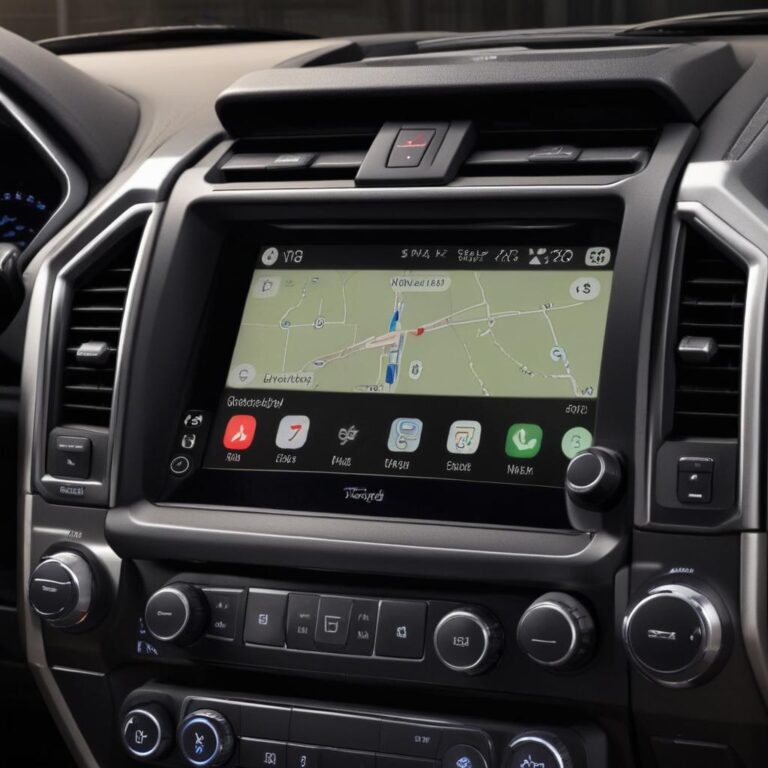
Ford’s SYNC 3 infotainment system arrived during these years, bringing Apple CarPlay and Android Auto to the masses. You could finally ditch the aux cable and stream your playlists directly. The system responded quickly, the touchscreen worked like your smartphone, and voice commands actually understood what you were saying.
Safety tech improved dramatically too:
- Pre-collision assist with automatic emergency braking became standard across most models
- Blind-spot monitoring helped with highway confidence
- Adaptive cruise control made long drives less tiring
- Lane-keeping assist gently nudged you back if you drifted
But Ford didn’t go overboard with automation. These systems assisted drivers rather than replacing them. You still felt in control, which is exactly what enthusiasts wanted.
The Design Language
Walk past a parking lot and you could spot a Ford from 50 feet away. The F-150’s bold grille, the Mustang’s aggressive stance, the Explorer’s muscular proportions – Ford designers understood brand identity.
Chrome accents weren’t overdone. Body lines were purposeful, not fussy. Everything looked like it belonged, whether you were rolling up to a construction site or a car show. Function guided form, but Ford made sure form looked damn good too.
Frequently Asked Questions
What is the difference between EcoBoost and a standard V6?
EcoBoost engines use turbocharging and direct fuel injection to generate more power from smaller engines. A regular 3.5L V6 might make 280 hp, while the 3.5L EcoBoost produces 375-450 hp depending on tuning. You get V8 power with better fuel economy.
How does the Ford F-150 compare to a Chevy Silverado?
The 2016-2020 F-150’s aluminum body made it lighter and more fuel-efficient than the Silverado, which stuck with steel construction until 2019. Ford offered more engine choices, including the powerful EcoBoost options. Both are excellent trucks – it often comes down to personal preference and brand loyalty.
What does ‘SYNC’ do in my Ford?
SYNC is Ford’s infotainment and connectivity system. SYNC 3 (found in 2016-2020 models) lets you control music, navigation, climate, and phone calls through voice commands or a touchscreen. It integrates with your smartphone via Apple CarPlay or Android Auto.
Is the Mustang GT faster than the EcoBoost Mustang?
Yes. The GT with its 5.0L V8 (460 hp) hits 60 mph in about 4.3 seconds, while the 2.3L EcoBoost Mustang (310 hp) takes around 5.1 seconds. The GT also sounds better and feels more traditionally “Mustang,” though the EcoBoost is lighter and more fuel-efficient.
What makes the F-150 Raptor special?
The Raptor isn’t just a fast truck – it’s an off-road performance machine. It features specially-tuned FOX suspension with massive travel, aggressive tires, skid plates, and a high-output version of the 3.5L EcoBoost making 450 hp. It’s designed to tackle desert terrain at high speeds.
Are 2016-2020 Fords reliable?
Generally yes, though like any manufacturer, certain models and years have issues. The 10-speed automatic transmission took a few years to iron out problems. EcoBoost engines are reliable when properly maintained (regular oil changes are crucial). Overall, these Fords hold up well with routine care.
Should I buy a used Ford from this era?
Absolutely worth considering! You get modern technology and safety features without the depreciation hit of buying new. Look for models with maintenance records, avoid those with obvious modifications, and have a pre-purchase inspection done. The sweet spot is typically 2018-2020 models with 30,000-60,000 miles.
The Last of an Era
Looking back, 2016-2020 feels like the golden age of modern Ford. Engineers had mastered traditional powertrains while incorporating just enough technology to stay current. These weren’t the simplest Fords ever built – those days ended decades ago – but they struck a beautiful balance between analog driving feel and digital convenience.
You could still get a naturally-aspirated V8. Trucks came without hybrid powertrains as standard. Manual transmissions survived in the Mustang. For enthusiasts, these were the last pure classics before everything changed.
Which Ford model would you pick for your next drive? Share in the comments below! And if you already own one of these beauties, tell us what you love most about it.
References:
- Ford Motor Company Official Specifications (2016-2020 Model Years)
- Car and Driver Performance Testing Data
- MotorTrend Long-Term Testing Reviews
- Edmunds Pricing and Reliability Information