Beyond the Badge: What Makes 2021-2025 Fords Truly Different
Picture this: you’re at a stoplight in your 2025 F-150, and it’s completely silent. No rumble, no vibration – just smooth electric power waiting to launch. Then you hit the gas, and suddenly 775 lb-ft of torque hits instantly. Welcome to the new era of Ford, where tradition meets tomorrow, and honestly? It’s pretty wild.
The Electrification Revolution at Ford
Ford didn’t just dip their toes into electric vehicles – they cannon-balled into the deep end. Between 2021 and 2025, the Blue Oval transformed from a traditional automaker into a serious EV contender while keeping their gas-powered heritage alive.
Lightning Strikes: The F-150 Goes Electric
The F-150 Lightning changed everything when it debuted for 2022. Ford took America’s best-selling vehicle and made it electric, which sounds simple until you realize what a massive gamble that was. Truck buyers are notoriously traditional, yet Ford bet the farm that they’d embrace an electric pickup.
Turns out, they were right. The Lightning wasn’t some golf cart with a bed – it was a proper work truck that happened to run on batteries. With up to 580 horsepower and that instant electric torque, it could tow 10,000 pounds and power your house during an outage. The Lightning can actually serve as a backup generator for your home, providing power for days during emergencies.
But here’s what really impressed people: it still felt like an F-150. Same tough body-on-frame construction, same confident handling, same capability. Ford understood that truck buyers wanted electric benefits without sacrificing truck identity.
“The future isn’t about choosing between power and efficiency – it’s about having both, and Ford’s new lineup proves you don’t have to compromise.”
Mustang Mach-E: Redefining the Pony Car Legacy
Calling an electric SUV a “Mustang” was controversial. Enthusiasts protested online, debated at car meets, and questioned Ford’s sanity. But the Mach-E proved that a Mustang doesn’t have to be a two-door coupe – it just has to make you feel something.
The Mach-E GT Performance Edition hits 60 mph in 3.5 seconds. That’s supercar territory. It handles like a sports car thanks to its low center of gravity from the floor-mounted battery. The instant electric acceleration pins you to your seat every single time, never getting old no matter how many red lights you launch from. Always drive responsibly and obey traffic laws, but the performance is genuinely thrilling.
Ford added thoughtful touches too: a volume knob that’s actually a dial (thank goodness), real buttons for climate controls, and a massive glass roof that makes the cabin feel airy. This wasn’t just an electric vehicle – it was a premium experience.
Hybrid Technology: The Best of Both Worlds
Not everyone’s ready to go full electric, and Ford gets that. Their hybrid lineup expanded dramatically during this period, offering serious capability without range anxiety.
The PowerBoost Hybrid option in the F-150 combined a 3.5L EcoBoost V6 with an electric motor for 430 horsepower and 570 lb-ft of torque. More importantly, it could tow 12,700 pounds – more than most pure gas trucks – while delivering around 24 mpg combined. That’s the magic of hybrid technology.
The Maverick compact truck launched in 2022 with a standard hybrid powertrain making 42 mpg city. Forty-two! In a truck! It proved that efficient doesn’t mean boring, and at a starting price under $25,000, it became nearly impossible to find on dealer lots.
2021-2025 Ford Lineup: Performance Comparison
| Model | Powertrain | Horsepower | 0-60 mph | Starting Price (2025) |
|---|---|---|---|---|
| F-150 Lightning (Extended Range) | Dual Electric Motors | 580 hp | 4.0 seconds | $62,995 |
| Mustang Mach-E GT Performance | Dual Electric Motors | 480 hp | 3.5 seconds | $63,995 |
| F-150 PowerBoost Hybrid | 3.5L V6 Hybrid | 430 hp | 6.1 seconds | $57,780 |
| Bronco Raptor | 3.0L Twin-Turbo V6 | 418 hp | 5.7 seconds | $80,095 |
| Maverick Hybrid | 2.5L I4 Hybrid | 191 hp | 8.1 seconds | $24,995 |
Note: Prices reflect 2025 model year MSRP; performance figures from manufacturer specifications
Technology Evolution: Ford’s 2021-2025 Innovation Timeline
Electric Range & Power: Ford’s EV Advancement
The Return of the Bronco: Icon Reborn
Ford brought back the Bronco in 2021, and it wasn’t some half-hearted retro tribute. This was a proper off-road machine designed to take on Jeep Wrangler on its own turf. Removable doors and roof, solid axles, serious approach and departure angles – Ford built a real deal trail warrior.
The Bronco came in two-door and four-door variants, with everything from a base model to the extreme Bronco Raptor with 418 horsepower and 37-inch tires. You could configure it mild for beach cruising or wild for rock crawling. The modular design meant you could personalize it with thousands of accessory combinations.
What really mattered? Ford didn’t just chase nostalgia. They built a modern SUV that happened to look like the classic Bronco. It had SYNC 4 technology, advanced safety features, and comfortable daily-driver manners. Then you hit the trail and it transformed into a dirt-eating monster.
SYNC 4 and Beyond: The Digital Dashboard
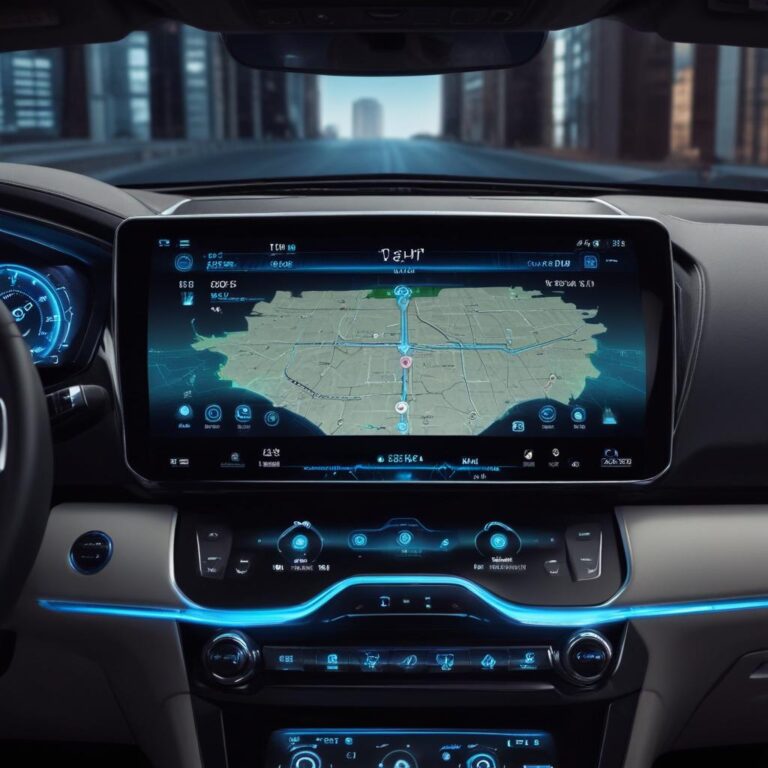
Technology leaped forward in these model years. SYNC 4 replaced SYNC 3 with a more powerful processor, better graphics, and actual useful features:
- Voice recognition that finally works reliably
- Over-the-air updates so your truck gets smarter over time
- Cloud-connected navigation with real-time traffic
- Split-screen displays showing multiple apps simultaneously
- Wireless Apple CarPlay and Android Auto (finally!)
The F-150 Lightning and Mach-E got massive portrait-oriented touchscreens (15.5 inches in some models) that made older systems look ancient. But Ford learned from Tesla’s mistakes – they kept physical buttons for critical functions like climate control and volume. Nobody wants to dig through menus when you’re just trying to turn up the heat.
BlueCruise: Hands-Free Highway Driving
Ford’s BlueCruise system arrived in 2021 as genuine hands-free driving on over 130,000 miles of pre-mapped highways. Not “keep your hands hovering near the wheel” like some systems – actual hands-off driving while the truck monitors your eyes to ensure you’re paying attention.
It works shockingly well on long highway trips. The system handles lane changes, maintains safe following distances, and smoothly navigates curves. You still need to watch the road (it’s not self-driving), but it dramatically reduces fatigue on those 500-mile hauls. BlueCruise is currently available on mapped divided highways only and requires active driver supervision.
Built Ford Tough Gets Smarter
Pro Power Onboard changed how people think about trucks. The F-150 could now serve as a mobile generator with up to 9.6 kilowatts of exportable power in hybrid and Lightning models. That’s enough to run power tools all day on a job site, tailgate parties with full setups, or keep your house running during power outages.
Contractors realized they could leave their generators at home. Weekend warriors could run their RVs without noisy external generators. The truck bed became an extension cord with 400 miles of range – or in the Lightning’s case, 300 miles of silent, zero-emission range.
The mega power frunk (front trunk) in the F-150 Lightning provided 14.1 cubic feet of lockable, weatherproof storage. That’s more space than many sedan trunks, and it could hold 400 pounds of gear. Drain plugs meant you could fill it with ice and use it as a cooler for tailgating. Now that’s thinking differently.
Safety Gets Serious
Every 2021-2025 Ford came loaded with advanced safety tech that would’ve been optional luxury features just five years earlier:
- Pre-collision assist with automatic emergency braking (standard across lineup)
- Blind spot information system with cross-traffic alert
- Lane keeping system that gently steers you back
- Adaptive cruise control with stop-and-go capability
- 360-degree camera systems making parking easier
- Reverse brake assist preventing backing into objects
The Mach-E added Active Drive Assist that could slow for curves and help center the vehicle. The Bronco got trail cameras to spot obstacles. These weren’t gimmicks – they were legitimately useful features that prevented accidents and reduced stress.
Design Philosophy: Evolution, Not Revolution
Ford’s design team walked a tightrope during these years. The F-150 needed to look modern without alienating traditional buyers. The Bronco had to honor its heritage while feeling contemporary. The Mach-E required Mustang DNA in SUV form.
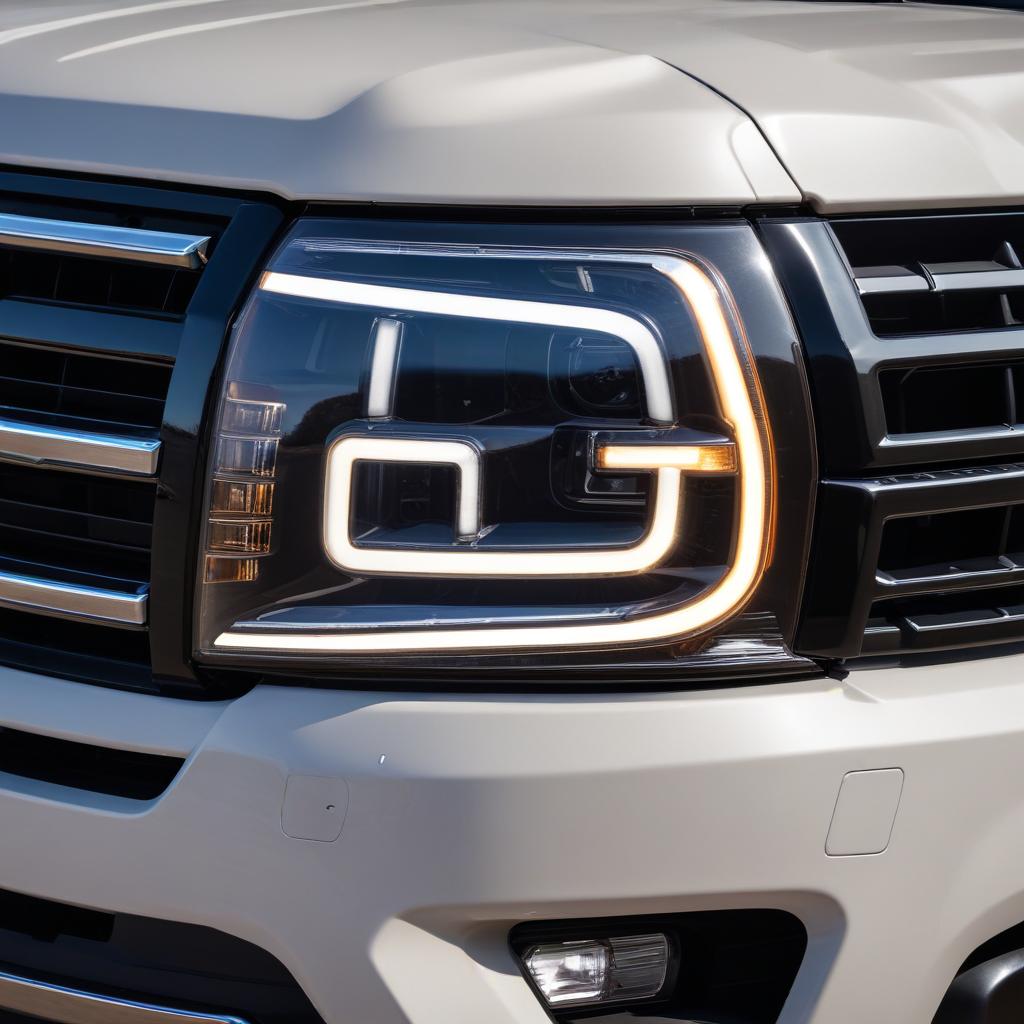
They nailed it. LED lighting signatures became instantly recognizable – you could spot a modern Ford from blocks away at night. Grilles grew larger and more prominent, but purposefully so, integrating cooling and sensor needs. Body lines stayed clean and muscular rather than overwrought with creases.
Interiors especially impressed. Gone were the cheap plastics and confusing button layouts of earlier years. Materials felt premium, controls operated intuitively, and everything was exactly where you’d expect it. The Ford BlueCruise steering wheel design became iconic with its subtle blue accents signaling hands-free capability.
The Maverick Phenomenon
Nobody expected the Maverick to become a cultural phenomenon, but here we are. Ford created a compact unibody truck (not body-on-frame like traditional pickups) that started at $19,995 in 2022 with standard hybrid power. It was small enough to park anywhere, efficient enough for daily commuting, and capable enough for Home Depot runs.
The brilliance? Ford understood that most people don’t need to tow 10,000 pounds. They need something practical, affordable, and versatile. The Maverick delivered all three while getting better fuel economy than most sedans. Dealers couldn’t keep them in stock, with wait times stretching months or even a year for popular configurations.
What This Means for Ford’s Future
These five years represented Ford’s most dramatic transformation since the Model T. They proved electric trucks could work, brought back beloved nameplates successfully, and made advanced technology accessible across their lineup.
But Ford didn’t abandon their roots. You could still buy a naturally-aspirated V8 Mustang GT. The F-150 still offered big gas V8s for those who wanted them. The Bronco came with a manual transmission option. They evolved without forgetting what made them Ford in the first place.
The dependable engineering and American muscle DNA stayed intact – it just came wrapped in 21st-century technology. That’s the secret sauce that makes 2021-2025 Fords truly different.
Frequently Asked Questions
How much does it cost to charge an F-150 Lightning at home?
Charging costs vary by electricity rates, but averaging $0.13 per kWh nationally, a full charge of the extended-range battery (131 kWh) costs around $17. That’s roughly equivalent to filling a gas F-150 at $2 per gallon. Most owners charge overnight when rates are cheaper, and many install solar panels to reduce costs further.
Is the Mustang Mach-E really a Mustang?
Purists debate this, but Ford’s argument is compelling: it captures the spirit of Mustang – powerful, exciting, and distinctively styled. It wears the pony badge, delivers thrilling performance, and makes you smile behind the wheel. Whether it’s a “real” Mustang is subjective, but it’s definitely a real Ford.
How does BlueCruise compare to Tesla Autopilot?
BlueCruise is more conservative and only works on pre-mapped highways, while Autopilot functions on more roads. However, BlueCruise is truly hands-free (with eye tracking), whereas Tesla requires hands on the wheel. Both are driver-assistance systems, not self-driving. BlueCruise receives consistent praise for smooth, confident operation.
Can the Maverick actually haul and tow like a real truck?
The Maverick can tow up to 4,000 pounds (with the 2.0L EcoBoost) and carry 1,500 pounds in the bed. That’s enough for most people’s needs – camping trailers, jet skis, motorcycles, mulch, furniture. It won’t replace an F-150 for heavy-duty work, but it’s surprisingly capable for its size and price.
What’s the difference between the Bronco and Bronco Sport?
The Bronco is a body-on-frame off-road SUV with removable doors/roof, solid rear axle, and serious trail capability. The Bronco Sport is a smaller, unibody crossover built on the Escape platform – it’s more car-like and suited for light trails and daily driving. Think of Sport as adventurous transportation, while Bronco is a hardcore trail machine.
Are Ford’s electric vehicles reliable?
Early F-150 Lightning models experienced some software glitches and battery management learning curves, typical for first-generation EVs. The Mach-E has proven generally reliable with high owner satisfaction. Electric drivetrains have fewer moving parts than gas engines, potentially requiring less maintenance long-term. Ford backs them with 8-year/100,000-mile battery warranties.
Should I wait for the next model year or buy now?
Ford’s EV technology is maturing rapidly, but waiting means missing years of enjoying current models. The 2024-2025 Lightnings and Mach-Es are refined and reliable. If you need a vehicle now and electric works for your lifestyle, current models are excellent. If you’re unsure about EVs, gas and hybrid options remain strong choices.
How long does it take to charge an electric Ford?
On a 240-volt home charger (Level 2), expect 8-10 hours for a full charge overnight. DC fast charging can add 54 miles in 10 minutes on the Lightning, or reach 80% in about 40 minutes. Real-world charging depends on battery temperature, charger power, and current battery level. Most owners charge at home overnight and rarely use public fast charging.
The Verdict: Different Where It Matters
Ford’s 2021-2025 lineup isn’t just evolution – it’s revolution wrapped in familiar shapes. They took everything that made Ford great (toughness, capability, American character) and injected it with technology that actually makes life better rather than just more complicated.
The F-150 Lightning proves electric trucks work for real work. The Bronco shows heritage vehicles can be modern and relevant. The Maverick demonstrates that affordable and efficient doesn’t mean boring. The Mach-E… well, it’s starting to convince even skeptics that performance comes in many forms.
These aren’t your father’s Fords. They’re smarter, cleaner, more capable, and honestly? More fun to drive than ever before.
Which 2021-2025 Ford would you choose for your driveway? Drop a comment and let’s talk trucks, EVs, and everything in between!
References:
- Ford Motor Company Official Specifications (2021-2025 Model Years)
- EPA Fuel Economy and Range Data
- Car and Driver Testing and Reviews
- MotorTrend Long-Term EV Testing Results
- Ford BlueCruise Technology Documentation
- Consumer Reports Reliability Surveys