Ford DIY: Maintenance Tasks That Are Easier Than You Think
You’re standing in the auto parts store, staring at an air filter, wondering if you really need to pay someone $50 to pop open your hood and swap it out. Spoiler alert: you absolutely don’t. Some Ford maintenance tasks are so simple that even your teenager could handle them — and we’re about to show you which ones.
Why DIY Maintenance Makes Sense for Ford Owners
Ford vehicles are built with owner-friendly maintenance in mind. Unlike some European brands that hide everything behind plastic covers and require special tools, Fords are designed for straightforward access to common service points.
Doing your own basic maintenance saves serious money. A dealership might charge $80-$120 for an oil change on an F-150. You can do it yourself for $35-$45 in materials. Over a year of regular maintenance, you’re looking at hundreds of dollars in savings.
Plus, you learn your vehicle. Understanding what’s under the hood makes you a smarter owner who can spot problems early and avoid getting ripped off at sketchy repair shops.
Let’s break down the maintenance tasks that sound intimidating but are actually surprisingly simple.
Easy DIY Task #1: Changing Your Engine Air Filter
This is the gateway drug of DIY maintenance. If you can open a toolbox, you can change an air filter.
Why It Matters
Your engine breathes through the air filter, pulling in thousands of gallons of air every mile. A dirty filter restricts airflow, hurting fuel economy and performance. Ford recommends replacing it every 15,000-30,000 miles depending on driving conditions, but dusty environments need more frequent changes.
How Simple Is It Really?
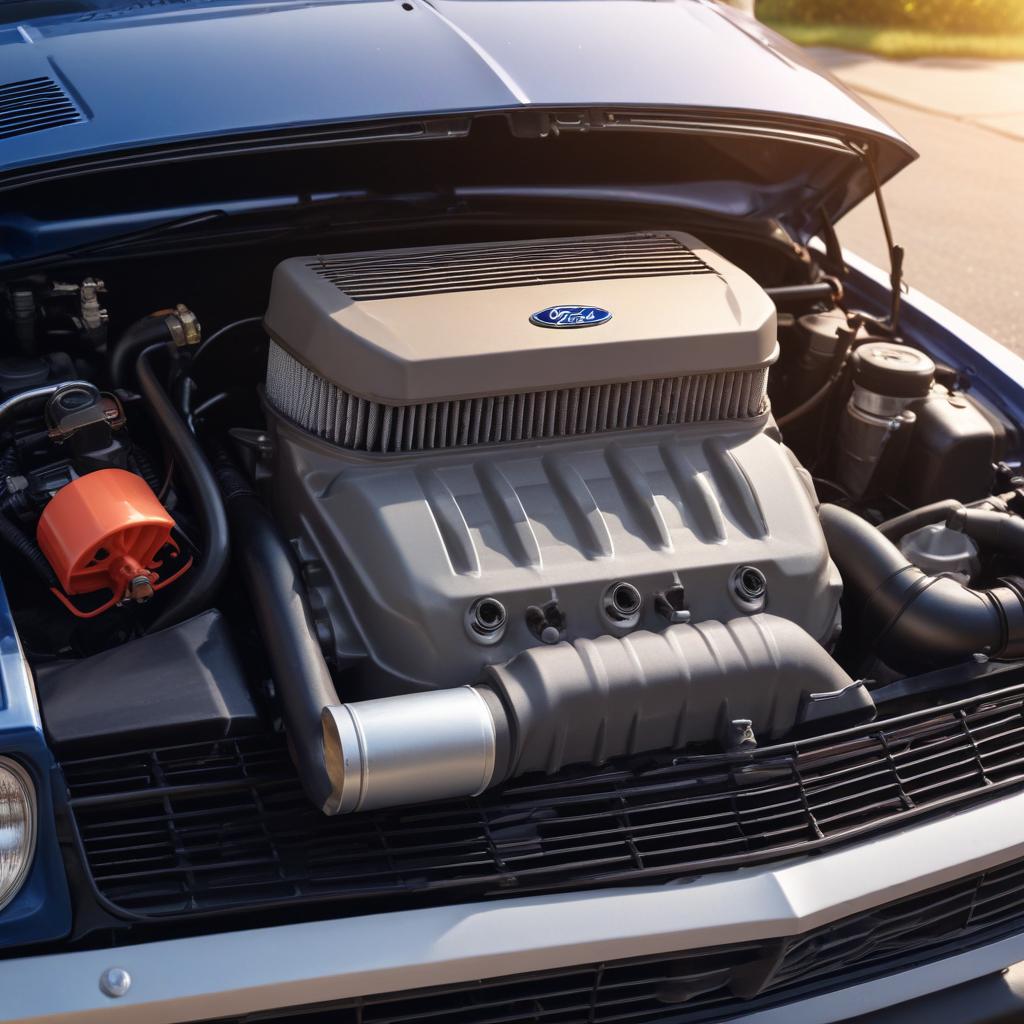
Ridiculously simple. Most Ford models have the air filter in a black plastic box near the top of the engine. Open the clips or remove a few screws (no tools needed on many models), lift the lid, pull out the old filter, drop in the new one, and close it up.
Total time? Five minutes. Cost? $15-$25 for a quality filter versus $50-$70 at a shop.
Pro tip: Take a picture of how the old filter sits in the box before removing it. The new one needs to go in the same direction.
Best For These Ford Models
- Ford F-150: Easy top access, usually four clips
- Ford Escape: Simple rectangular box, no tools needed
- Ford Explorer: Located right up front, very accessible
- Ford Mustang: Quick access near the front grille area
- Ford Ranger: Similar to F-150, straightforward design
“Changing your air filter is like replacing the filter in your home AC — simple maintenance that makes everything run better.”
Easy DIY Task #2: Replacing Cabin Air Filter
Even easier than the engine air filter, and most people don’t even know this exists.
What Does It Do?
The cabin air filter cleans the air coming through your vents and AC system. When it’s clogged with dust, pollen, and debris, your AC works harder and your truck smells musty.
The Process
On most Fords, the cabin filter hides behind the glove box. Empty your glove box, squeeze the sides to release it (it hinges down), and you’ll see the filter housing right there. Slide out the old filter, slide in the new one, pop the glove box back up.
No tools. No getting dirty. Takes maybe ten minutes including the time to find where you left the new filter.
Cost comparison: $10-$20 DIY versus $60-$80 at a dealer.
If you have allergies or live in a dusty area, upgrading to a HEPA cabin filter makes a noticeable difference in air quality.
Easy DIY Task #3: Checking and Topping Off Fluids
Your Ford needs several fluids to run properly: oil, coolant, brake fluid, power steering fluid (on older models), and windshield washer fluid. Checking them is incredibly simple.
Windshield Washer Fluid: The Easiest Starting Point
Find the reservoir (usually a translucent container with a windshield symbol), unscrew the cap, pour in washer fluid until it reaches the fill line. Done.
Never use plain water — it freezes in winter and doesn’t clean as well. Washer fluid costs $3-$5 per gallon.
Engine Oil: Slightly More Involved But Still Simple
Park on level ground. Let the engine cool for a few minutes. Pull out the dipstick (usually has a yellow or orange handle), wipe it clean with a rag, insert it fully, pull it out again, and check the level.
Oil should be between the MIN and MAX marks. If it’s low, add half a quart at a time through the oil filler cap (marked with an oil can symbol). Recheck after each addition.
Always use the oil weight specified in your owner’s manual. For most modern Fords, that’s 5W-20 or 5W-30 synthetic blend.
Coolant: Check But Don’t Top Off When Hot
Look at the coolant reservoir (another translucent tank, usually marked with hot/cold lines). Check when the engine is completely cold.
If it’s low, add a 50/50 mix of coolant and distilled water. Never open the radiator cap when the engine is hot — the pressurized system can spray boiling coolant and cause serious burns.
Safety reminder: Always wait for the engine to cool completely before opening the cooling system.
Brake Fluid: Look But Don’t Touch Unless Necessary
The brake fluid reservoir sits on top of the master cylinder near the back of the engine bay on the driver’s side. It should stay between MIN and MAX lines.
If brake fluid is low, that might indicate worn brake pads or a leak. Don’t just top it off — get the brakes inspected. Brake fluid is hydraulic fluid that makes your entire braking system work.
Easy DIY Task #4: Replacing Windshield Wiper Blades
Nothing ruins visibility faster than streaky, chattering wiper blades. Changing them takes less time than waiting in line at the quick lube place.
When to Replace
If your wipers streak, skip, or make noise, it’s time. Most blades last 6-12 months depending on sun exposure and usage.
The Swap
Lift the wiper arm away from the windshield. Press the small tab on the wiper blade where it connects to the arm. Slide the old blade off. Slide the new blade on until it clicks.
Different Ford models use different connection types (hook, pin, bayonet), but they all work on the same principle. New blades come with adapters for different styles.
Total time: Five minutes for both blades. Cost: $15-$30 for a quality pair versus $40-$60 installed.
Replace both blades at once even if only one looks bad — they wear at the same rate.
Easy DIY Task #5: Changing Headlight and Taillight Bulbs
Burned-out bulbs aren’t just annoying — they’re a safety issue and can get you pulled over.
Most Ford Bulbs: Accessible From Under the Hood
For headlights, open the hood and locate the back of the headlight assembly. You’ll see a bulb socket (looks like a large electrical connector). Twist it counterclockwise about a quarter turn, pull it out, remove the old bulb, insert the new one, and reverse the process.
Don’t touch the glass part of halogen bulbs with bare fingers — skin oils create hot spots that shorten bulb life. Use a clean cloth or the packaging.
Some newer Fords use LED headlights that last 20,000+ hours and rarely need replacement. If they fail, they often require professional service since they’re integrated assemblies.
Taillights: Usually Accessed From Inside the Cargo Area
Open the tailgate or hatch. Look for access panels inside the rear cargo area. Remove a few plastic clips or fasteners, reach in, twist the bulb socket, and swap the bulb.
Ford F-150 taillight bulbs are particularly easy — pull back the cargo area liner and you’re right there.
Time: 10-15 minutes per bulb. Cost: $5-$15 per bulb versus $30-$50 installed.
Easy DIY Task #6: Rotating Your Tires
Okay, this one requires a jack and jack stands (or ramps), but it’s still way simpler than most people think.
Why Rotate?
Tire rotation prevents uneven wear. Front tires wear differently than rear tires due to steering and weight distribution. Regular rotation (every 5,000-7,500 miles) extends tire life by thousands of miles.
The Basic Process
Jack up one side of the vehicle using the frame rail jack points marked in your owner’s manual. Support with jack stands — never work under a vehicle supported only by a jack. Remove wheels, swap them according to the rotation pattern (usually front-to-back on same side for non-directional tires), reinstall wheels, and torque lug nuts to spec.
Critical safety note: Always use proper jack stands and never get under a vehicle supported only by a jack. Follow your owner’s manual torque specifications for lug nuts.
For most Ford F-150s and trucks, that’s 150 lb-ft of torque. Get a torque wrench — they cost $30-$50 and prevent over-tightening that can warp rotors or break studs.
Time: 30-45 minutes. Cost: $0 versus $20-$40 at a shop.
If this seems too involved, at least learn to change a flat tire. It’s the same process but you only do one wheel.
Easy DIY Task #7: Replacing Battery (In Most Models)
Dead batteries happen to everyone. Replacing one yourself saves the $30-$50 installation fee parts stores charge.
The Steps
Turn off the engine and all accessories. Locate the battery (under the hood for most Fords, some models hide it under the back seat or in the cargo area).
Disconnect the negative terminal first (marked with a minus sign and usually a black cable). Then disconnect the positive terminal (plus sign, red cable). Remove the battery hold-down bracket. Lift out the old battery (they’re heavy — 30-50 pounds).
Place the new battery in the tray, reinstall the hold-down, connect the positive terminal first, then the negative terminal. Tighten everything securely.
Time: 15-20 minutes. Cost: Save $30-$50 installation fee.
Take your old battery to the parts store for recycling — you’ll usually get a core charge refund of $10-$20.
Models Where It’s Trickier
Some Ford Edge and Explorer models put the battery in challenging locations. If you can’t easily see it under the hood, check your owner’s manual before attempting this yourself.
Ford DIY Maintenance Cost Comparison
| Maintenance Task | DIY Cost | Shop Cost | Time Required | Difficulty | Annual Savings |
|---|---|---|---|---|---|
| Engine Air Filter | $15-$25 | $50-$70 | 5 minutes | Very Easy | $35-$45 |
| Cabin Air Filter | $10-$20 | $60-$80 | 10 minutes | Very Easy | $50-$60 |
| Wiper Blades | $15-$30 | $40-$60 | 5 minutes | Very Easy | $25-$30 |
| Headlight Bulb | $8-$15 | $30-$50 | 10 minutes | Easy | $22-$35 |
| Oil Change | $35-$50 | $80-$120 | 30 minutes | Moderate | $45-$70 |
| Tire Rotation | $0 | $25-$40 | 45 minutes | Moderate | $75-$120 (3x/year) |
| Battery Replacement | $150-$200 | $200-$280 | 20 minutes | Easy | $50-$80 |
Annual Savings: DIY vs. Professional Maintenance
What You’ll Need: Basic Tools for Ford DIY Maintenance
You don’t need a professional garage to handle basic maintenance. Here’s a reasonable starter toolkit:
Essential tools:
- Socket set with ratchet (metric and SAE sizes)
- Screwdriver set (flathead and Phillips)
- Adjustable wrench
- Torque wrench (for wheels and critical fasteners)
- Jack and jack stands (for tire work)
- Work gloves and safety glasses
Nice to have:
- Oil filter wrench
- Funnel for adding fluids
- Drain pan for oil changes
- LED work light or flashlight
- Shop rags or paper towels
Total investment: $150-$250 for quality tools that’ll last decades. You’ll recoup that cost in your first year of DIY maintenance.
Tasks You Should Probably Leave to Professionals
DIY is great, but know your limits. Some jobs require specialized knowledge, tools, or safety equipment:
Skip these unless you have experience:
- Brake system work (replacing pads/rotors is doable, but bleeding brake lines requires care)
- Timing belt replacement (complex and engine-damaging if done wrong)
- Transmission service (specific fluid types and procedures)
- Electrical system diagnosis (beyond simple bulb replacement)
- Suspension components (safety-critical and require alignment afterward)
- AC system repair (requires special equipment and refrigerant handling certification)
“The best DIY mechanic knows when to call a professional. There’s no shame in outsourcing complex jobs that require specialized tools or affect critical safety systems.”
Maintenance Schedule: When to Do What
Follow these general intervals for a Ford F-150, Escape, Explorer, or Mustang (always check your specific owner’s manual):
Every 3,000-5,000 miles:
- Check tire pressure
- Inspect fluid levels
- Check wiper blades
Every 5,000-7,500 miles:
- Rotate tires
- Inspect brakes visually
Every 7,500-10,000 miles:
- Change engine oil and filter (synthetic oil can go longer)
Every 15,000-30,000 miles:
- Replace engine air filter
- Replace cabin air filter
- Inspect belts and hoses
Every 30,000 miles:
- Check brake fluid condition
- Inspect battery and connections
Severe driving conditions (frequent short trips, extreme temperatures, towing, dusty environments) require more frequent maintenance.
Frequently Asked Questions
Q: Will doing my own maintenance void my Ford warranty?
A: No! The Magnuson-Moss Warranty Act protects your right to perform your own maintenance. Just keep receipts for parts and document what you did. Ford can’t void your warranty simply because you changed your own oil or air filter.
Q: What if I mess something up?
A: Start with the simple stuff — air filters, wipers, checking fluids. These tasks are nearly impossible to mess up. As you gain confidence, tackle more complex jobs. Watch YouTube videos specific to your Ford model before starting any new task.
Q: Where can I find the right specifications for my specific Ford model?
A: Your owner’s manual lists everything: fluid capacities, oil weight, tire pressure, torque specs, and maintenance intervals. Lost yours? Download a PDF from Ford’s owner portal at owner.ford.com. Forums like F150Forum.com and MustangForums.com also have model-specific guides.
Q: Is synthetic oil worth the extra cost?
A: For most drivers, yes. Synthetic motor oil lasts longer (7,500-10,000 miles between changes), protects better in extreme temperatures, and keeps engines cleaner. The higher upfront cost balances out with fewer oil changes needed.
Q: How do I dispose of old oil and other fluids properly?
A: Never pour used oil, coolant, or other fluids down drains or onto the ground. Most auto parts stores and quick lube places accept used oil and filters for free recycling. Some municipalities have household hazardous waste collection days for other fluids.
Q: Can I use aftermarket parts or do I need Ford OEM parts?
A: For filters, wiper blades, and bulbs, quality aftermarket brands work great and save money. Brands like Motorcraft (Ford’s parts brand), Bosch, ACDelco, and Fram are reliable. For more critical components like sensors or fuel system parts, OEM parts provide better reliability.
Q: My Ford has an oil life monitor. Should I follow that or the mileage interval?
A: Follow the oil life monitoring system. Modern Fords use sensors and algorithms to calculate actual oil life based on your driving conditions. When it says 10% remaining, plan your oil change soon. This system is more accurate than generic mileage intervals.
Q: What’s the difference between preventive maintenance and repairs?
A: Preventive maintenance means replacing parts on a schedule before they fail (oil changes, air filters, etc.). Repairs fix things that already broke. DIY maintenance prevents costly repairs down the road — a $25 air filter replacement prevents $1,500 in engine problems.
What’s the first maintenance task you’ll tackle on your Ford? Share your DIY success stories or questions in the comments! And remember, every mechanic started as a beginner who changed their first air filter.
Get your hands dirty and save some money — your Ford will thank you with years of reliable service!
References
- Ford Motor Company Owner’s Manual Database
- Motorcraft Service Recommendations and Specifications
- Society of Automotive Engineers (SAE) Maintenance Guidelines
- Consumer Reports Auto Maintenance Cost Studies
- National Institute for Automotive Service Excellence (ASE) DIY Resources