Inside the Ford Dealership: Secrets Your Salesperson Won’t Tell You
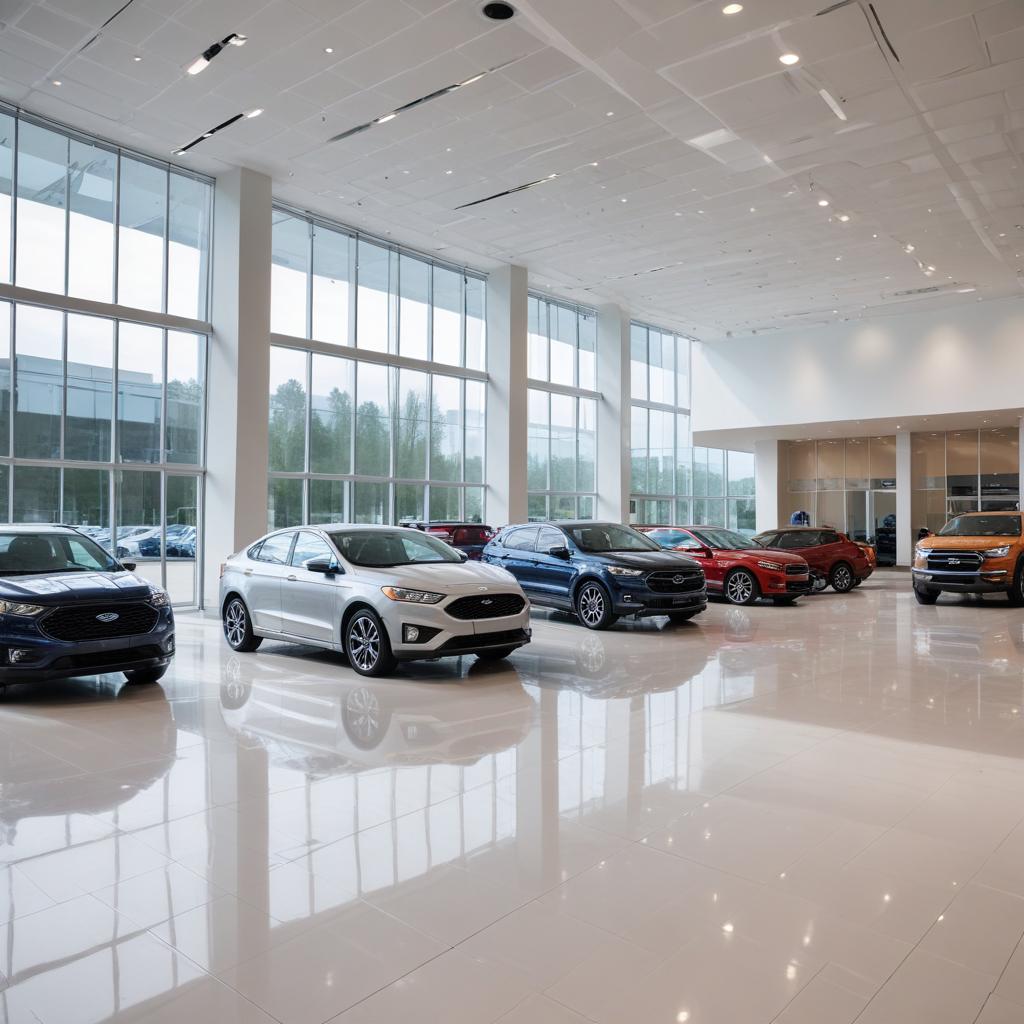
Ever walk into a Ford dealership and feel like everyone knows something you don’t? That shiny F-150 sitting under the showroom lights looks perfect, but what’s really going on behind those sales desks? Today, we’re pulling back the curtain on the dealership experience—sharing the insider secrets that can save you thousands and help you drive away with the truck or car you actually want, not just the one they need to move off the lot.
The Real Story Behind Dealership Pricing
Invoice Price vs. Sticker Price: The Gap Your Salesperson Loves
Here’s something most salespeople won’t mention upfront: the sticker price (also called MSRP) isn’t where negotiations should start. Ford dealerships typically receive vehicles at invoice price, which is often $2,000 to $5,000 below what you see on that window sticker.
But wait—there’s more. Dealerships also receive holdback money from Ford, usually around 3% of the MSRP. This is money the manufacturer sends back to the dealer after the sale. So even if your salesperson claims they’re “losing money” at invoice price, they’re probably still making a profit.
Smart buyers research the invoice price before stepping foot in the dealership. Websites like Edmunds and Kelley Blue Book publish these numbers for free. Walk in armed with this knowledge, and suddenly you’re negotiating from a position of strength.
The “Four-Square” Trick That Costs You Thousands
Watch out for the four-square worksheet. This old-school sales tactic divides a paper into four boxes: vehicle price, down payment, monthly payment, and trade-in value. Salespeople shuffle numbers between these boxes like a shell game, making you focus on monthly payments while they quietly inflate the vehicle price or lowball your trade-in.
“The four-square is designed to confuse buyers and maximize dealer profit. Once you see it, ask them to negotiate one number at a time—starting with the vehicle price only.”
Your move? Negotiate each element separately. First, settle on the out-the-door price of the vehicle. Then discuss your trade-in as a completely separate transaction. Finally, if you need financing, shop for rates independently through credit unions before accepting the dealer’s offer.
Financing Games Dealerships Play
The “We’ll Beat Any Rate” Promise (With Hidden Costs)
Ford dealerships make serious money in the finance office—sometimes more than on the vehicle itself. When your salesperson says they can “beat any rate,” what they often mean is they’ll mark up your interest rate and pocket the difference as dealer reserve.
Here’s how it works: If Ford Credit approves you at 5.5% APR, the dealership might offer you 7% and keep that extra 1.5% as profit. Over a 72-month loan on a $45,000 F-150, that difference adds up to thousands of extra dollars in their pocket.
Always get pre-approved through your bank or credit union before visiting the dealership. This gives you a baseline rate and removes one of their biggest profit centers. If they genuinely can beat your rate, great—but you’ll know if they’re actually saving you money or just playing games.
Extended Warranties: The Profit Goldmine
That extended warranty the finance manager is pushing? Dealerships typically mark these up 50-200% above their cost. A warranty they buy for $1,200 might be sold to you for $3,000. And those gap insurance and paint protection add-ons? Similar markups apply.
This doesn’t mean extended warranties are always bad—Ford’s extended service plans can provide peace of mind, especially on turbocharged EcoBoost engines or advanced four-wheel-drive systems. But everything is negotiable. If they quote $2,500 for an extended warranty, counter with $1,500. You’ll be surprised how quickly that price drops.
Trade-In Tactics That Shortchange You
The Lowball Appraisal Strategy
Dealerships want your trade-in for one simple reason: profit. They’ll appraise your current vehicle, often offering $1,000-$3,000 below its actual value, then resell it at auction or on their used lot for a nice markup.
Your salesperson might say, “We’re being generous with this trade value,” but here’s the truth—they’ve already looked up your vehicle’s wholesale value in dealer-only databases. That number is typically higher than what they first offer you.
Always obey local speed limits and drive responsibly when test-driving your trade-in at private sales.
Sell your vehicle privately if possible. Services like CarMax, Carvana, and even Facebook Marketplace often yield $2,000-$4,000 more than a dealer trade-in. Yes, it takes extra effort, but that’s real money staying in your pocket.
The “We Need to Hold Your Keys” Pressure Move
Some dealerships ask to hold your car keys “to appraise your trade-in” while you test drive. This creates psychological pressure—you can’t easily leave without getting your keys back, and they know it. It’s a subtle control tactic.
Politely decline. Tell them you’ll discuss trade-in values after you’ve settled on the new vehicle price. Better yet, don’t mention your trade-in until negotiations are complete. This prevents them from playing the two against each other.
Timing Secrets That Save You Money
End of Month, Quarter, and Model Year Magic
Salespeople have quotas—monthly, quarterly, and yearly targets that affect their bonuses and job security. Visit the dealership during the last few days of the month, and you’ll find motivated sales teams willing to cut deals to hit their numbers.
Even better? Shop during the last week of December or when new models arrive (typically August-September). Dealers need to clear out last year’s inventory to make room for fresh stock. A 2024 F-250 sitting on the lot in September 2025 becomes a problem for the dealer—and an opportunity for you.
“I saved $6,500 on my Ford Ranger by walking in on December 30th. The sales manager practically threw incentives at me to close before year-end.”
Rain days and weekday mornings also work in your favor. Dealerships are slower then, and salespeople are hungrier for deals. Busy Saturday afternoons? Everyone’s paying full price.
Ford Model Comparison: What Dealers Push vs. What You Need
| Model | Engine | Horsepower | 0-60 mph | Starting Price |
|---|---|---|---|---|
| F-150 XLT | 2.7L EcoBoost V6 | 325 hp | 6.1 sec | $43,500 |
| Mustang GT | 5.0L V8 | 486 hp | 4.2 sec | $44,500 |
| Explorer ST | 3.0L EcoBoost V6 | 400 hp | 5.2 sec | $52,200 |
| Bronco Sport | 1.5L EcoBoost I3 | 181 hp | 8.9 sec | $31,500 |
| F-250 Super Duty | 6.7L Power Stroke V8 | 475 hp / 1,050 lb-ft | 7.8 sec | $49,900 |
Dealers love pushing higher-trim models with bigger margins. That Lariat package might look amazing, but do you really need heated steering wheels and ambient lighting for $8,000 more? Know what features matter to you before walking in.
Ford Sales Performance: What Dealers Are Really Pushing
Ford Dealership Sales Volume by Model (2024)
The Ford F-Series has been America’s best-selling truck for over 47 consecutive years! That’s not an accident—Ford builds reliable, hardworking trucks that hold their value. But just because F-150s sell well doesn’t mean the dealer’s first offer is fair.
FAQ: What You Need to Know Before Buying
What’s the best time of year to buy a Ford?
Late December and late summer (August-September) offer the deepest discounts. Dealers are clearing inventory for new model years and trying to hit annual sales targets. You’ll find $3,000-$7,000 more in incentives during these windows.
Should I buy or lease a Ford truck?
Leasing makes sense if you drive under 12,000 miles yearly and want a new vehicle every 3 years. Buying is better for high-mileage drivers or anyone who keeps vehicles 7+ years. Ford trucks hold value exceptionally well, making ownership financially smarter long-term.
What is the difference between EcoBoost and a standard V6?
EcoBoost engines use twin-turbo technology to create more power from smaller displacement. A 2.7L EcoBoost V6 produces similar horsepower to older 5.0L V8s while delivering better fuel economy. The trade-off? Turbocharged engines require premium maintenance and can be costlier to repair outside warranty.
How does the Ford F-150 compare to a Chevy Silverado?
Both are excellent full-size trucks, but F-150s typically offer more engine choices (six options vs. Chevy’s four), better towing tech with Pro Trailer Backup Assist, and stronger resale values. Silverados counter with smoother ride quality and slightly lower starting prices. Test drive both before deciding.
What does SYNC do in my Ford?
SYNC is Ford’s infotainment system, connecting your smartphone for hands-free calling, navigation, music streaming, and app control. Newer SYNC 4 systems feature larger touchscreens, wireless Apple CarPlay/Android Auto, and over-the-air updates. It’s standard on most models but varies by trim level.
Are certified pre-owned Fords worth the extra cost?
Ford’s certified pre-owned (CPO) program adds a 12-month/12,000-mile comprehensive warranty plus 7 years/100,000 miles powertrain coverage. CPO vehicles pass 172-point inspections and come with free CARFAX reports. If the CPO premium is under $1,500, it’s usually worth it for the peace of mind.
Can I negotiate dealer-installed accessories?
Absolutely. Those running boards, bed liners, and splash guards? Dealerships mark them up 100-300%. Aftermarket shops install identical products for half the price. If the dealer insists accessories are “already installed,” negotiate them into your overall price reduction or walk away.
Your Next Steps
Now you know what happens behind those dealership doors. Armed with invoice prices, financing options, and negotiation tactics, you’re ready to get a fair deal on your next Ford.
Remember these key points:
- Research invoice prices and get pre-approved financing before visiting
- Negotiate vehicle price separately from trade-ins and monthly payments
- Visit during end-of-month or end-of-year for maximum leverage
- Every add-on and warranty is negotiable—don’t pay sticker price on anything
- Be prepared to walk away if the deal doesn’t meet your target
The perfect Ford is waiting for you—whether it’s a rugged F-250 for heavy-duty work, a nimble Bronco Sport for weekend adventures, or a thundering Mustang GT for pure driving joy. Just make sure you’re getting the truck or car on your terms, not theirs.
Which Ford model would you pick for your next drive? Have you used any of these negotiation tactics successfully? Share your dealership stories in the comments below!
References: Edmunds.com dealership pricing data, Kelley Blue Book trade-in values, Ford Motor Company 2024 sales reports, Consumer Reports automotive buying guides
