How to Fix Common Leak Points in a Ford Ranger Canopy (A Step-by-Step Guide)
There’s nothing worse than opening your Ford Ranger’s canopy after a rainstorm and finding a puddle where your dry gear should be.
A leaking canopy is a common headache, but it’s almost always fixable. Before you consider replacing the whole unit, grab a hose and some simple tools. Let’s track down those drips and seal them up for good.
TL;DR: Most leaks come from worn-out seals, poor clamp pressure, or blocked drains—not the canopy itself. You can permanently fix 90% of leaks with a methodical water test, some fresh sealing tape or silicone, and basic adjustments. It’s a straightforward weekend project that saves you money and protects your cargo.
Key Takeaways:
- Find the leak first. A careful water test is the most important step.
- The bed rail seal is the #1 culprit. Replacing the foam tape between the canopy and the truck bed is often the complete fix.
- Don’t overlook the clamps. Improper tightening is a major cause of leaks.
- Clean and clear everything. Old dirt and clogged drains prevent a proper seal.
- Use the right sealant. Automotive-grade sealants are flexible and made for the job.
The Detective Work: Finding Exactly Where the Water Gets In
You can’t fix what you can’t find. Guessing will just waste your time and sealant. Here’s the right way to play detective.
First, get a helper, a garden hose with a spray nozzle, and a good flashlight. Have your helper sit inside the closed, empty canopy with the flashlight off. Start by gently spraying water on one specific area for a minute or two—like just the top center of the rear window. Your helper’s job is to shout when they see the first drip and trace it back to its exact origin point inside.
“A leak rarely drips directly below where it enters. Water can travel along a seam or wire for inches before it falls. Finding the highest point of moisture is your clue to the true entry point.”
Work methodically: test the front header, then the side windows, the rear door, and finally the bed rail area. Mark each spot with a bit of painter’s tape on the outside. You’ll likely find one or more of these common culprits.
Front Header & Bed Rail Seal
This is the most common leak zone. The canopy sits on a thick foam rubber seal that runs along the top of your truck’s bed rails. Over time, this seal compresses, tears, or just gets dirty.
The Fix: Replace the Bed Rail Seal.
- Remove the Canopy: With help, un-clamp and carefully lift the canopy off the truck. Place it on a soft, stable surface like grass or padded sawhorses.
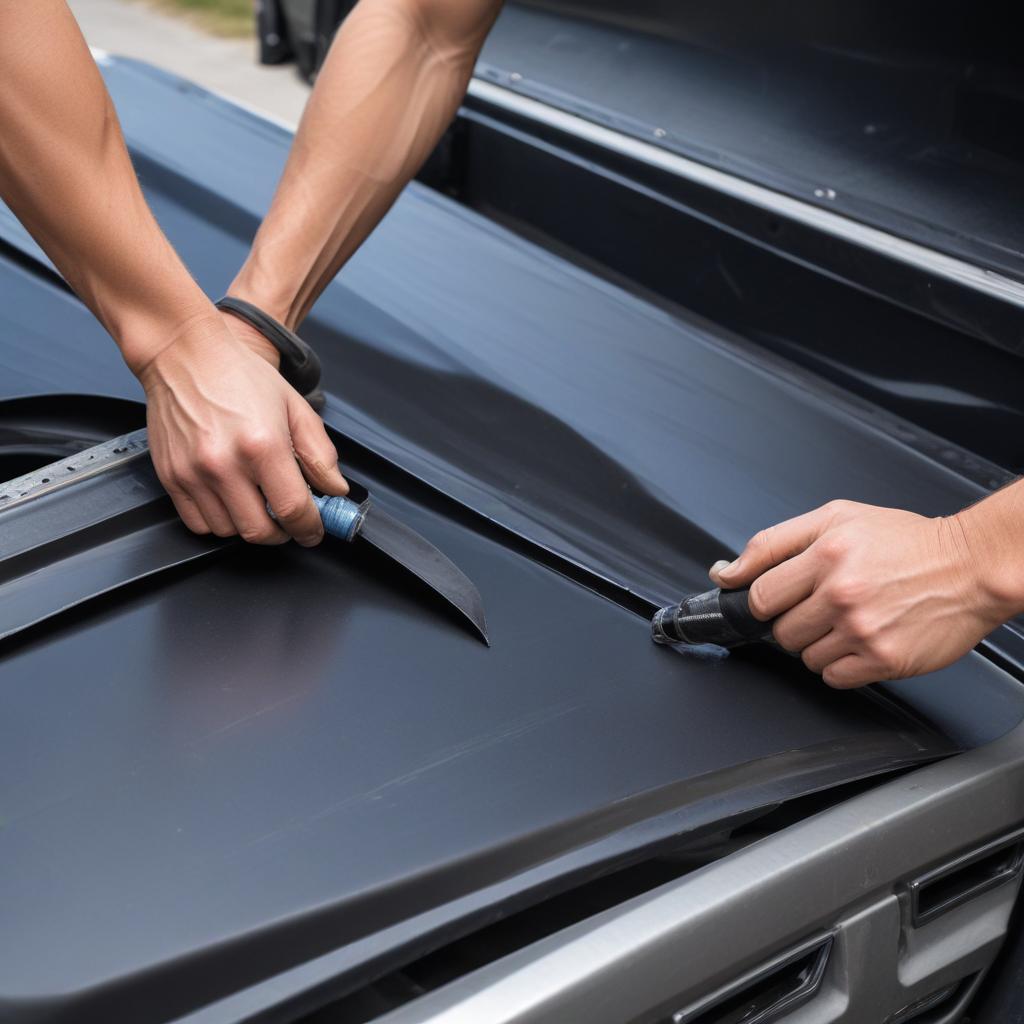
- Remove the Old Seal: Peel off the old, crumbling foam tape. Use a plastic scraper and a cleaner like Goo Gone or rubbing alcohol to remove all old adhesive and grime. A clean surface is critical.
- Apply the New Seal: Buy a high-quality, closed-cell foam weatherstrip tape (often 1/2″ wide x 1/2″ thick). Start at one corner and carefully press it onto the clean bottom lip of the canopy, following the entire perimeter. Don’t stretch it. Butt the ends together neatly.
- Reinstall: Get help to lower the canopy back onto the truck bed, aligning it carefully before tightening the clamps evenly.
Side & Rear Window Seals
The rubber gaskets around the fixed side windows and the rear door window can dry out, crack, or pull away.
The Fix: Re-seal the Window Perimeter.
- Clean & Dry: Thoroughly clean the area where the glass meets the rubber or the rubber meets the fiberglass. Use isopropyl alcohol.
- Apply Sealant: Use a tube of clear, automotive-grade polyurethane sealant (like 3M Window-Weld or a similar non-silicone, paintable sealant). Run a thin, steady bead along the seam.
- Tool the Bead: Wearing a nitrile glove, dip your finger in soapy water and gently smooth the bead into the seam for a clean, water-tight finish that also looks professional.
Clamp Area & Drain Tubes
The clamps themselves can be a leak path if not sealed, and blocked drain channels at the front of the bed will cause water to back up and spill over.
The Fix: Seal the Clamps and Clear the Drains.
- For Clamps: Remove each clamp. Put a small dab of clear silicone sealant on the washer and the bolt threads before reinstalling and tightening. This seals the tiny holes.
- For Drains: Locate the drain holes/channels at the front corners of your truck bed, near the cab. Poke a stiff wire or trim a small piece of fuel line to blow compressed air through them to clear mud and leaves.
Your Canopy Leak Fix Toolkit
Having the right materials on hand makes the job smoother. Here’s what you’ll need:
| Tool / Material | Purpose | Pro Tip |
|---|---|---|
| Garden Hose & Helper | For systematic water testing. | Use a gentle shower setting, not a jet. |
| Closed-Cell Foam Tape (1/2″ x 1/2″) | To replace the main bed rail seal. | Buy a reputed brand; cheap foam won’t last. |
| Automotive Sealant (Polyurethane) | For sealing windows and clamp holes. | Avoid basic hardware store silicone; it doesn’t adhere as well to automotive paints and materials. |
| Isopropyl Alcohol & Clean Rags | For cleaning surfaces before sealing. | This is non-negotiable for a lasting bond. |
| Plastic Trim/Panel Removal Tools | For prying old seals without damage. | Prevents scratches to your paint or canopy. |
| Torque Wrench (in-lbs) | For even clamp re-tightening. | Prevents warping the canopy frame by over-tightening. |
FAQ: Solving Your Canopy Leak Mysteries
1. My canopy only leaks when I drive in the rain, not when I hose it down. Why?
This is a classic sign of a wind-driven leak. At speed, air pressure forces water through gaps that static water won’t penetrate. Pay extra attention to the front header seal and the leading edge of the side windows during your test, spraying water at an angle to simulate driving rain.
2. I replaced the seal and it’s still leaking! What did I do wrong?
The most common mistake is not cleaning the surface well enough before applying the new tape. Any old glue or dirt creates a channel for water. The second is uneven clamp pressure. Tighten the clamps in a criss-cross pattern, a little at a time, like lug nuts on a wheel.
3. Can I just silicone the whole canopy to the truck bed?
Absolutely not. This is a permanent solution you will regret. You need to be able to remove the canopy for cleaning, bed access, or resale. Plus, the metal bed and fiberglass/plastic canopy flex differently; a hard seal will crack.
4. What’s the best cleaner for the old adhesive and gaskets?
A dedicated adhesive remover (like 3M General Purpose Adhesive Cleaner) or a citrus-based cleaner (like Goo Gone) works best. Avoid harsh scrapers that can gouge the fiberglass or paint.
5. How tight should the canopy clamps be?
Tighten them firmly by hand with the provided tool. If you’re using a torque wrench, a good target is 15-20 ft-lbs. The goal is even pressure, not crushing force. If the seal is good, you don’t need extreme torque.
6. Water is dripping from the ceiling, but the top looks fine. What gives?
Water can travel along the inside of the canopy structure. The leak is above where it’s dripping. Look for tiny cracks around roof-mounted third brake lights or roof vent seams. A bead of sealant there usually solves it.
7. When is a leak beyond a DIY fix?
If you find a major structural crack in the fiberglass (longer than a few inches) or the aluminum framing is severely corroded, it might be time for professional repair or replacement. But try the fixes above first—you’ll likely solve it.
Chasing down a leak requires patience, but the fix is almost always simple and cheap. A dry, secure bed is worth an afternoon of your time. You’ve got this.
What was the sneakiest leak you’ve found and fixed on your Ranger? Share your detective story (or your winning sealant brand) in the comments to help out a fellow owner!
References: