The Overlander’s Checklist: Equipping Your Ford Ranger Canopy for Remote Camping
You’re three hours down a forest service road when the weather turns, and as the first heavy drops hit the windshield, you realize your entire camp setup is stored in an open truck bed. It’s the moment every overlander dreads.
A well-equipped canopy transforms your Ford Ranger from a passenger vehicle into a self-sufficient, weatherproof expedition basecamp. It’s not just about carrying gear; it’s about systematic organization, protection, and fast deployment when you’re miles from the nearest outpost. This is your definitive checklist for building a remote-ready canopy system.
TL;DR: Your Ford Ranger’s canopy should be a modular, multi-layered system focused on organization, self-sufficiency, and all-weather resilience. Start with a dust-proof, well-sealed canopy like an Alu-Cab Contour or OVS Expedition. Internally, prioritize a dedicated drawer system (like Goose Gear) for critical gear and an integrated power setup (dual battery/solar) to run a fridge and lights. Externally, add a rooftop tent and 270-degree awning to create an instant, protected living space. Every item must serve multiple purposes to save space and weight.
Key Takeaways:
- Security & Sealing are Foundational: Choose a canopy with positive-pressure vents and robust seals to keep dust and water out of your gear.
- The Inside is a Toolbox: Use modular drawer and panel systems to organize gear for instant access and prevent the dreaded “gear avalanche.”
- Power is Freedom: A dedicated power system is non-negotiable for running fridges, lights, and charging devices off-grid.
- Create an Instant Camp: An integrated rooftop tent and awning turn a parking spot into a home in minutes, keeping you off wet or rocky ground.
- Weight is Your Enemy: Every kilogram counts. Calculate your Gross Vehicle Mass (GVM) and prioritize lightweight, multi-use gear to preserve payload and vehicle dynamics.
The Foundation: Choosing and Sealing Your Canopy
Your canopy is more than a shell; it’s your primary barrier against the elements. For overlanding, it must be secure, sealed, and structurally capable.
Canopy Selection Criteria:
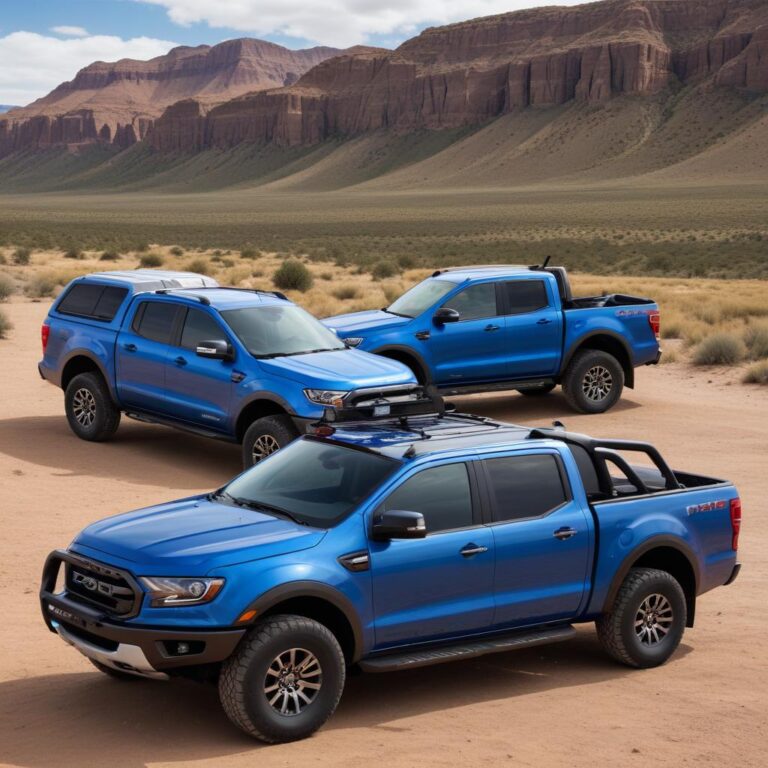
- Material: Aerospace-grade aluminum is the gold standard. It’s lightweight, corrosion-resistant, and won’t rust, making it perfect for coastal or salty environments. As shown in a Ranger Raptor build, an Alu-Cab Contour Canopy adds about 55kg (121 lbs) while providing immense strength.
- Key Features: Look for positive-pressure vents (to push dust out), double-door seals, integrated roof rails for accessories, and internal tie-down points.
- The Sealing Imperative: As overlanders in dusty regions like the Middle East attest, a canopy alone isn’t enough. You must aggressively seal the tailgate and bed seams with aftermarket kits to prevent fine dust from coating everything inside. This is a critical, often overlooked step.
“A canopy without a proper seal is just a expensive dust collection box. The time you spend sealing the bed and tailgate is the best investment you can make in gear protection.”
Foundation Checklist:
- [ ] Durable Aluminum Canopy (e.g., Alu-Cab Contour, OVS Expedition)
- [ ] High-Quality Tailgate Seal Kit (Aftermarket, multi-layered)
- [ ] Bed Rail Seals (3M single-bulb or similar)
- [ ] J-Brace Bed Reinforcement (Recommended for heavy static loads/rooftop tents)
Level 2: The Organized Interior (Your Mobile Garage)
An organized interior saves time, reduces stress, and protects equipment. The goal is a place for everything, with the most critical items most accessible.
Core Interior Systems:
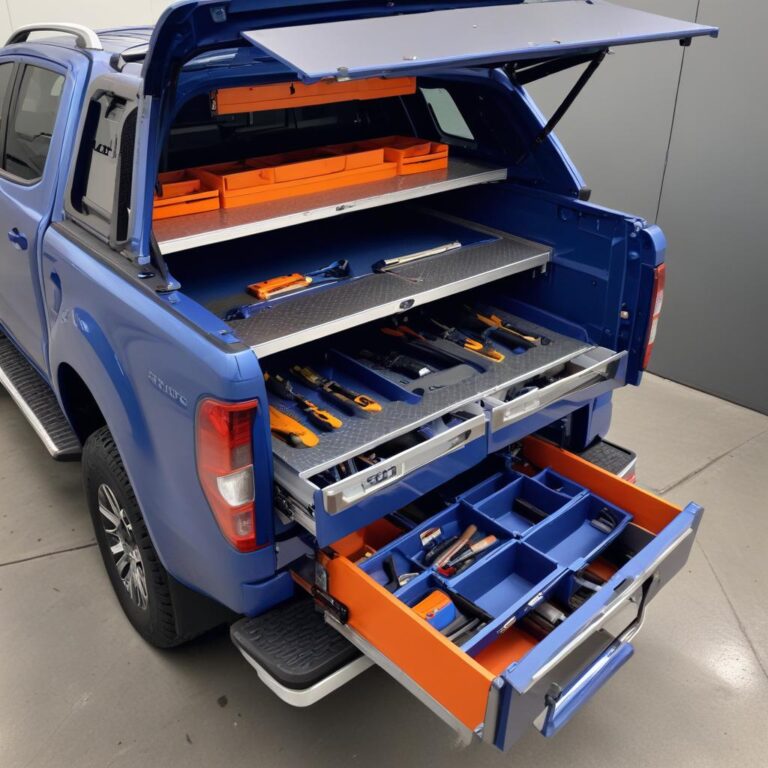
- Modular Drawer System: This is your command center. Systems like the Goose Gear Rear Utility Module are designed to integrate perfectly with canopies like the Alu-Cab, providing lockable, slide-out storage for tools, recovery gear, and the kitchen. They create a flat, stable platform over your wheel wells.
- MOLLE/Panel Walls: Utilize the canopy’s sidewalls with MOLLE panels or custom shelving. Perfect for hanging quick-grab items: headlamps, gloves, fire extinguishers, and small tools.
- Lighting: Integrated LED strips or dome lights are essential for pre-dawn pack-ups or evening gear repairs.
- Water & Fuel: Secure mounts for Jerry can-style water tanks and auxiliary fuel. Never store fuel inside the living/sleeping compartment.
Interior Organization Checklist:
- [ ] Modular Drawer System (e.g., Goose Gear, Decked)
- [ ] MOLLE Panels for sidewalls
- [ ] Dedicated Recovery Gear Bin (Straps, shackles, gloves)
- [ ] Plano-style Storage Totes for categorized dry goods
- [ ] 12V LED Interior Lighting Kit
- [ ] Secure Water Tank Mount (10-20L capacity)
- [ ] First Aid & Trauma Kit (Easily accessible)
Level 3: Power & Sustenance (The Grid)
Self-sufficiency hinges on reliable power and food preservation.
The Power Triad:
- Dual Battery System: Isolates your starter battery. Powers a 12V fridge/freezer—the single greatest luxury for fresh food on extended trips.
- Solar Panel: A 100W+ portable or hard-mounted panel keeps your auxiliary battery charged indefinitely in sunny conditions.
- Power Distribution: A central panel with USB ports, 12V sockets, and maybe a small inverter (300W) for camera batteries or laptops.
The Kitchen: Go for a slide-out kitchen drawer or a portable table with a integrated stove. Store utensils, a kettle, and a rugged cookset in a dedicated drawer.
Power & Kitchen Checklist:
- [ ] Dual Battery Isolator & AGM/Lithium Auxiliary Battery
- [ ] Portable or Roof-Mounted Solar Panel (100W minimum)
- [ ] 12V Compressor Fridge/Freezer (45-60L ideal)
- [ ] Slide-Out Kitchen Drawer or Folding Table with Stove
- [ ] Durable Cookset & Utensils
- [ ] Collapsible Sink & Water Jug
Level 4: Shelter & Comfort (The Camp)
This layer deploys from your canopy to create your living space.
Shelter Strategy:
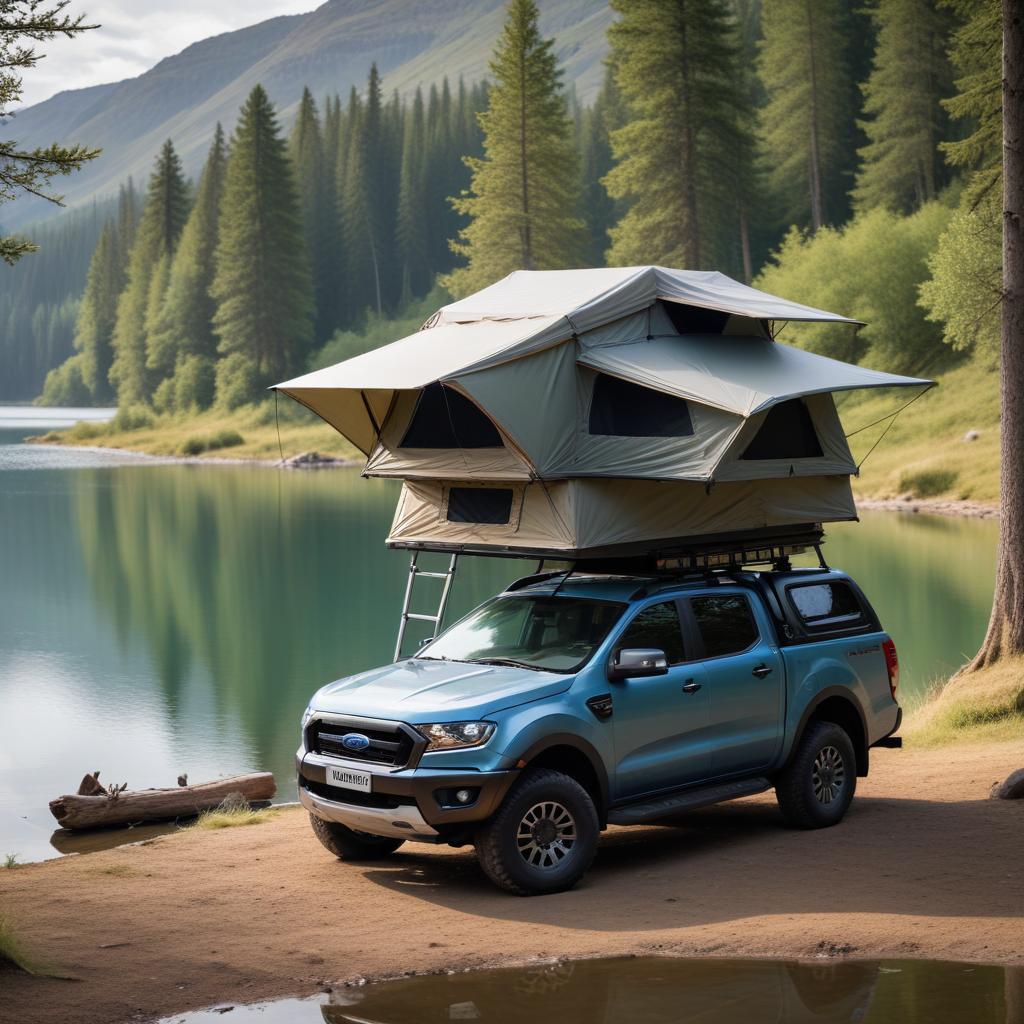
- Rooftop Tent (RTT): Mounted on the canopy’s integrated rails, it provides a fast, dry, and secure sleeping space. The Alu-Cab LT-50 is a low-profile example, adding ~50kg. Ensure your canopy’s dynamic load rating (often 150-250kg) supports the tent’s weight.
- 270-Degree Awning: Attached to the canopy side, it creates an instant covered space for cooking, lounging, or hiding from rain. A model like the Alu-Cab 270 Shadow adds significant utility for about 24kg.
Shelter & Comfort Checklist:
- [ ] Hard-Shell or Clamshell Rooftop Tent
- [ ] 270-Degree or Side-Mounted Awning
- [ ] Awning Room/Enclosure (for bug/wind protection)
- [ ] High-Quality Sleeping Bags & Insulated Pads
- [ ] Compact Camp Chairs & Table
- [ ] Portable Shower System (pressurized, with privacy tent)
The Critical Systems: Navigation, Recovery & Safety
These are your lifelines and should be always accessible, not buried.
- Navigation: A dedicated GPS unit with offline topo maps (like Garmin Overlander). Phones are backups.
- Communication: A satellite messenger (e.g., Garmin inReach) for emergency SOS and check-ins where cell service ends.
- Recovery: Beyond a basic kit, consider a winch (mounted to a front bumper or a portable unit) and traction boards.
- Vehicle Health: An OBD-II scanner and a portable air compressor for tire management.
FAQ: The Overlander’s Canopy Questions
1. My Ranger sags with the canopy and gear. What should I do?
This is common. The Ranger Raptor, in particular, has relatively soft rear springs. Solutions include:
- Upgraded Coil Springs: The most direct fix to restore ride height and handling.
- Airbag Helper Springs: Adjustable support that only works when loaded.
- Check Your GVM: First, ensure you haven’t exceeded the vehicle’s legal payload.
2. Can I sleep inside the canopy?
It’s possible but tight. A 6-foot bed is short for most adults. Forum users with extended cabs seek custom extended-length canopies for this reason. A rooftop tent is generally a more comfortable and space-efficient solution.
3. Is a rooftop tent worth the cost and weight?
For frequent travel, yes. It sets up in minutes, provides superior comfort and insulation from the ground, and keeps bedding dry inside the vehicle. The trade-off is added weight (~50kg) and wind resistance.
4. What’s the single most important upgrade after the canopy?
A 12V fridge and dual-battery system. It eliminates the ice hunt, preserves food for weeks, and provides cold drinks anywhere—a massive morale booster.
5. How do I manage condensation inside the canopy?
The positive-pressure vent in premium canopies is key. Also, ensure good airflow by cracking windows, use moisture-absorbing products (like DampRid), and avoid bringing wet gear inside.
6. Can I build this system in stages?
Absolutely. The recommended order is: 1) Canopy & Sealing, 2) Power & Fridge, 3) Drawer Organization, 4) Rooftop Tent, 5) Awning & Accessories.
7. Are soft-shell toppers viable for overlanding?
They are lighter and cheaper but offer less security, thermal insulation, and dust/water protection. They can be a good budget start or for mild climates but aren’t as robust for extreme or remote travel.
Equipping your Ford Ranger’s canopy for remote camping is a journey in building resilience. It starts with a waterproof, dust-tight vault and evolves into a highly efficient mobile command post. By layering systems—organization, power, shelter—you create a vehicle that doesn’t just take you to adventure, but fully supports you once you’re there.
What’s the one piece of canopy gear you can’t imagine overlanding without? Is it the game-changing fridge, the instant shelter of the RTT, or the peace of mind of a sealed, organized interior? Share your cornerstone item in the comments below!
References: