Ford Hybrid vs. Plug-In Hybrid: Choosing Your Electrified Powerhouse
Ever been stuck at a gas station watching the price climb higher and higher, thinking there’s gotta be a better way? That’s exactly what Ford engineers were thinking when they started electrifying America’s favorite trucks and SUVs. Now you’ve got choices — regular hybrids that fuel themselves up while you drive, or plug-in hybrids that let you run on pure electricity for your daily commute. But which one fits your life better?
Understanding Ford’s Electrified Lineup
Ford didn’t just slap batteries onto their vehicles and call it a day. They’ve spent years perfecting electrified powertrains that keep the capability you expect while slashing your fuel bills. Whether you’re hauling lumber in an F-150 or cruising to work in an Escape, there’s an electrified Ford that makes sense.
What Makes a Hybrid Different from a Plug-In Hybrid?
Here’s where it gets interesting. A traditional hybrid uses both a gasoline engine and an electric motor, but you never plug it in. The battery charges itself through something called regenerative braking — every time you slow down, that energy gets captured instead of wasted as heat. It’s like getting free electricity just by driving normally.
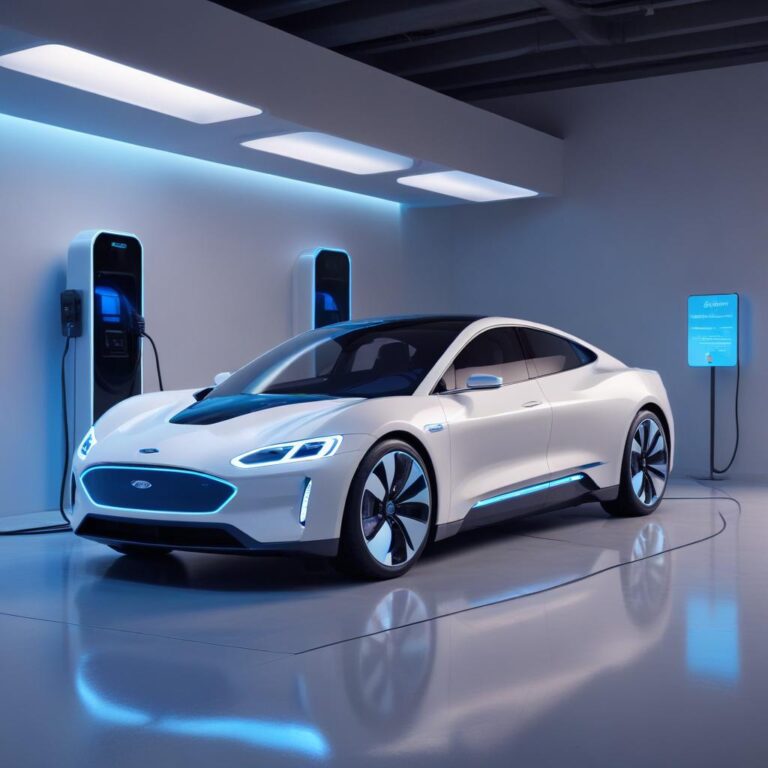
A plug-in hybrid (PHEV), on the other hand, has a much bigger battery that you charge at home or at public charging stations. This gives you serious all-electric range — we’re talking 20 to 40 miles of zero-emission driving before the gas engine even needs to wake up. For folks with short commutes, you might go weeks without burning a drop of gasoline.
“The beauty of Ford’s plug-in hybrids is that you get the best of both worlds — electric efficiency for daily driving, and unlimited range when adventure calls.”
Real-World Driving: How They Actually Feel
Let’s talk about what happens when you turn the key (or push the button). Both types give you that instant torque electric motors are famous for. You press the accelerator and boom — smooth, quiet acceleration that makes merging onto highways effortless.
With a regular hybrid like the Maverick Hybrid, you barely notice when the gas engine kicks in. It’s seamless. You’re just cruising along getting 42 mpg in the city, wondering why you didn’t make the switch sooner.
The plug-in versions feel even more futuristic. Fire up an Escape Plug-In Hybrid on a full charge, and you might drive your entire workday without the engine making a sound. It’s eerily quiet. Some drivers actually miss the engine rumble at first, but then they see their monthly fuel savings and get over it real quick.
Comparing Ford’s Electrified Models
<div style=”overflow-x: auto;”>
| Model | Powertrain | Combined HP | 0-60 mph | EPA Range/MPG | Starting Price |
|---|---|---|---|---|---|
| Maverick Hybrid | 2.5L Hybrid | 191 hp | 8.3 sec | 42 mpg city | $25,995 |
| Escape Hybrid | 2.5L Hybrid | 200 hp | 8.1 sec | 41 mpg combined | $35,765 |
| Escape Plug-In Hybrid | 2.5L PHEV | 221 hp | 7.6 sec | 37 miles EV range | $43,895 |
| F-150 PowerBoost Hybrid | 3.5L Twin-Turbo Hybrid | 430 hp | 6.0 sec | 25 mpg combined | $56,620 |
| F-150 Lightning | Dual Electric Motors | 452-580 hp | 4.0 sec | 240-320 miles | $62,995 |
</div>
The table tells an interesting story. Notice how the PowerBoost Hybrid in the F-150 doesn’t sacrifice any muscle — 430 horses and 570 lb-ft of torque means you can still tow 12,700 pounds. That’s more than most gas-only trucks can handle.
Performance Trends Across Ford’s Electrified Lineup
Making the Financial Decision
Now here’s the fun part — figuring out which one saves you more money. Regular hybrids cost less upfront. The Maverick Hybrid starts under $26,000, making it one of the most affordable trucks in America. You save money at the pump immediately, and there’s no need to install a home charger.
Plug-in hybrids require a bigger investment. But they qualify for federal tax credits up to $7,500 (depending on where the vehicle was assembled and your tax situation). Plus, electricity is cheaper than gas. If you charge overnight when rates are low, you might spend just $1.50 to “fill up” for 37 miles of driving.
Here’s a real example: Say you drive 30 miles daily. With an Escape PHEV, you’d drive almost entirely on electricity. That’s about 40 cents per day in electricity versus $5-6 in gas for a regular SUV. Over a year, you’re looking at $1,800+ in fuel savings. The plug-in pays for itself faster than you’d think.
Lifestyle Considerations: Which Fits Your Routine?
Choose a regular hybrid if:
- You don’t have easy access to charging at home or work
- You take frequent long trips where charging would be inconvenient
- You want the simplest, most hassle-free electrified experience
- Lower upfront cost is your priority
- You drive unpredictable distances daily
Choose a plug-in hybrid if:
- You have a garage or driveway where you can install a charger
- Your daily commute is under 40 miles
- You want maximum fuel savings and don’t mind plugging in
- You qualify for tax incentives that close the price gap
- You like the idea of all-electric daily driving with gas backup for road trips
One thing people don’t always consider — charging time. A plug-in hybrid takes about 3-4 hours on a Level 2 home charger (240V). That’s perfect for overnight charging. Just plug in when you get home, and wake up to a full battery. Some folks even use a regular 120V outlet, but that takes 10-12 hours.
Frequently Asked Questions
Q: Can I drive a plug-in hybrid without ever charging it?
Yes, absolutely. It’ll run just like a regular hybrid, using the gas engine and capturing energy through braking. But you’re basically carrying around a bigger battery for no reason and missing out on all the fuel savings. It’s like buying a swimming pool and never filling it with water.
Q: How much does it cost to install a home charger?
A Level 2 charger costs $500-800 for the equipment, plus $300-1,500 for professional installation depending on your electrical panel and garage setup. Many utility companies offer rebates that cover part of this cost. Check with your local power company before buying.
Q: Do hybrids require special maintenance?
Not really. The gas engine needs the same regular maintenance as any Ford — oil changes, filters, spark plugs. The electric components and battery are sealed and virtually maintenance-free. Fun fact: Hybrid brakes last way longer because regenerative braking does most of the work.
Q: What happens to the battery in extreme weather?
Ford batteries are temperature-managed with heating and cooling systems. In cold weather, your all-electric range might drop 20-30% temporarily. Hot weather affects batteries less. The gas engine is always there as backup, so you’ll never be stranded. Always follow Ford’s recommendations for extreme temperature operation.
Q: Can the F-150 PowerBoost serve as a backup power source?
You bet. It has Pro Power Onboard with up to 7.2 kilowatts of exportable power. That’s enough to run your house during an outage, power tools at a job site, or tailgate like a champion. You can plug in anything from a circular saw to a coffee maker. The truck becomes a rolling generator.
Q: Are plug-in hybrids eligible for HOV lane access?
In many states, yes. California, New York, and several other states offer special decals that let plug-in hybrids use carpool lanes even with just one person. This alone saves commuters hours every week. Check your state’s specific rules since they vary.
Q: How long do hybrid batteries last?
Ford warranties hybrid batteries for 8 years or 100,000 miles (plug-in hybrid batteries get the same coverage). In practice, they often last the life of the vehicle. Taxi fleets have put 300,000+ miles on hybrid batteries without replacement. The technology is proven and reliable.
The Bottom Line
Both options beat traditional gas-only vehicles when it comes to fuel economy and reducing your carbon footprint. Regular hybrids give you effortless efficiency with zero charging hassle. Plug-in hybrids offer even bigger savings if you’ve got the charging infrastructure and drive patterns to maximize that electric range.
For most truck buyers, the F-150 PowerBoost Hybrid hits the sweet spot — serious capability, better fuel economy, and no plugging in required. For commuters who want to go almost fully electric during the week, the Escape Plug-In Hybrid delivers impressive savings. And if you just want the most affordable entry into hybrid technology, the Maverick Hybrid is tough to beat.
Think about your daily routine, your charging situation, and how much you value fuel savings versus convenience. Test drive both types if you can. You’ll feel the difference immediately.
Which electrified Ford would work best for your lifestyle — the plug-free efficiency of a hybrid, or the electric-first approach of a PHEV? Drop a comment and let us know what matters most to you!
References
- Ford Official Specifications: www.ford.com
- EPA Fuel Economy Data: www.fueleconomy.gov
- Federal EV Tax Credit Information: www.irs.gov
- Car and Driver Performance Testing: www.caranddriver.com