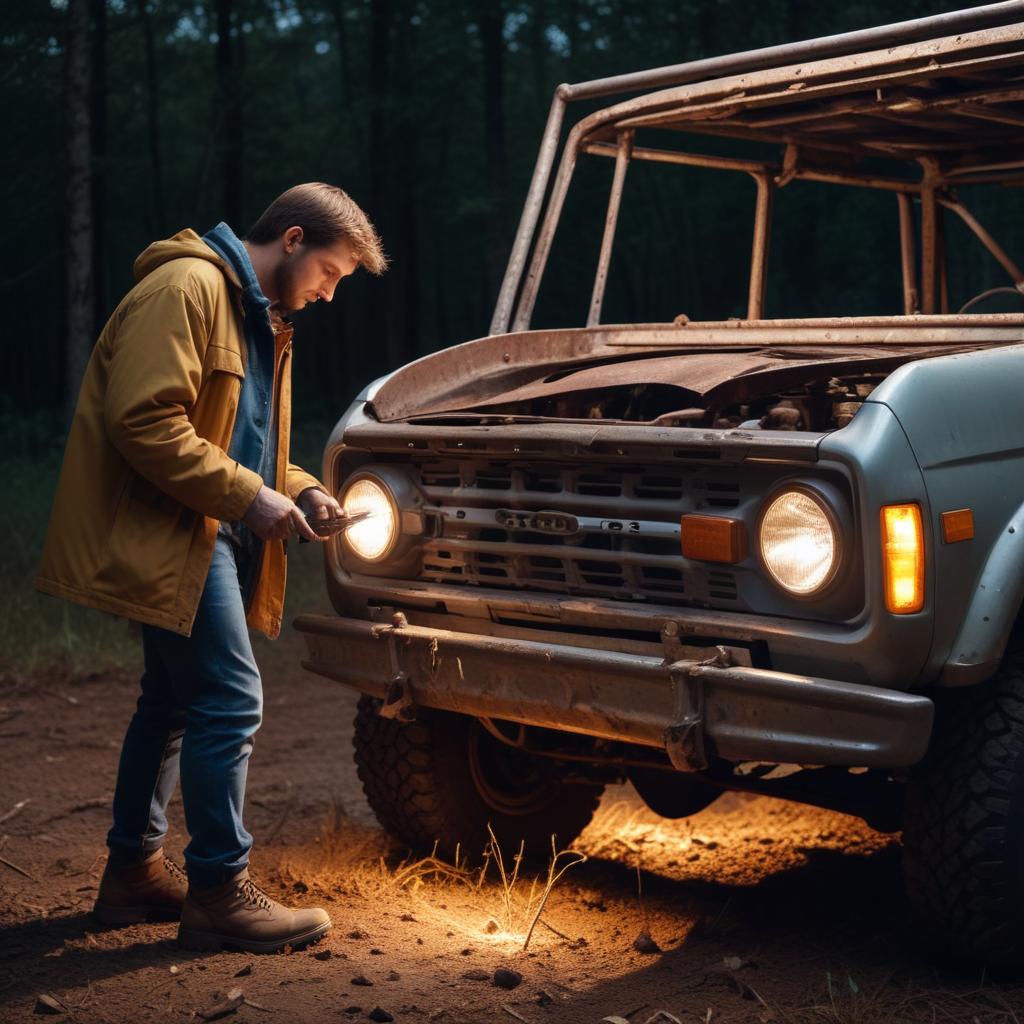
Evaluating Frame Integrity when Buying a used ford bronco for sale for sale
You’ve found the perfect used Bronco—it looks tough, the price seems right, and you can already picture it on the trail. But before you get lost in daydreams, there’s one critical question: what’s hiding beneath that iconic body?
The frame is the backbone of any vehicle, and for a rugged machine like the Ford Bronco, its integrity is everything. A compromised frame isn’t just a repair bill; it’s a safety hazard and can turn your dream truck into a money pit. This guide will give you the knowledge to confidently inspect a Bronco’s foundation, separating a solid investment from a costly mistake.
TL;DR: A thorough frame inspection is the most critical step when buying a used Ford Bronco. Focus on three key areas: rust in moisture traps, cracks at high-stress points, and signs of previous damage or repairs. Bringing a simple magnet and flashlight can reveal what the eye might miss. When in doubt, walk away or get a professional inspection.
Key Takeaways:
- Rust is the #1 Enemy: Concentrate on areas that trap dirt and moisture, like the rear shock mounts, axle bump stops, and body mount holes.
- Stress Points Crack: The steering box mounting area is notoriously prone to cracking due to stress and must be inspected closely.
- Look for the Story: Misaligned panels, poor welding, or paint overspray on the frame can indicate past accidents or shoddy repair work.
- Costs Add Up Fast: Rust repair, especially in structural areas like door pillars and inner fenders, can cost thousands of dollars at a professional shop.
The Foundation of Your Adventure: Why the Frame Matters Most
Buying a used Bronco without checking the frame is like building a house on a crumbling foundation—it might look okay at first, but the problems are foundational and catastrophic.
The frame is the vehicle’s skeleton. It supports the entire weight of the body, engine, and drivetrain, and handles all the stresses from driving and off-roading. On a classic Early Bronco (1966-1977), the frame is a separate, rigid structure from the body, making its condition absolutely paramount. Issues here affect not only safety but also steering alignment, suspension geometry, and door fitment.
“A good, solid frame is the foundation for your build. So make sure it’s solid… The chassis is the foundation of your Bronco, and ensuring its integrity is crucial to the safety and longevity of the vehicle.”
Think of the inspection as a detective mission. You’re looking for clues left by time, the elements, and previous owners. The goal isn’t necessarily to find a perfect, showroom-new frame—that’s rare. The goal is to understand the extent of any issues and decide if they are within your budget and skill to repair.
Your Frame Inspection Toolkit
You don’t need fancy equipment for a basic inspection. Bring these items:
- A Bright Flashlight: Essential for peering into dark crevices.
- A Mechanic’s Mirror: Helps you see the backsides of frame rails and other hidden spots.
- A Strong Magnet (wrapped in a thin cloth): Used to check for plastic body filler (“bondo”) on the body. If the magnet doesn’t stick firmly, there’s likely filler hiding rust or damage.
- A Flathead Screwdriver or Pocketknife: For gently probing suspected rust spots to see if metal is solid or flakes away.
- Shop Towels or Gloves: It will be dirty.
CRITICAL SAFETY NOTE: Always use proper jack stands if you need to lift the vehicle. Never rely solely on a car jack, and ensure the Bronco is on level, solid ground before crawling underneath.
The Hands-On Inspection: A Step-by-Step Walkthrough
Conduct this inspection methodically. If the seller is reluctant to let you put the truck on a lift or inspect it thoroughly, consider it a major red flag.
Step 1: The Critical Rust Check
Rust is cancer for a vehicle’s frame. Surface rust is common and often manageable, but rot—where metal becomes flaky, brittle, and loses its structural integrity—is a deal-breaker unless you’re prepared for a full frame-off restoration. Focus on these known trouble spots:
- Rear Shock Mounts & Axle Bump Stops: These areas are prime traps for mud, road salt, and moisture. Don’t just look; use your screwdriver to poke gently. Solid metal will resist. Rotten metal will flake or puncture.
- Body Mount Holes: Where the body bolts to the frame. Rust here weakens the crucial connection between the body and chassis. Check under the rubber body mount pads if possible.
- Front and Rear Frame Horns: The very ends of the frame. Look for corrosion or physical damage from minor impacts.
- Inner Fender Aprons and Door Pillars (Body): While not part of the frame, severe rust in the body’s structural areas (like the door pillars) is a warning sign of broader neglect and is exceptionally complex and expensive to repair correctly.
Step 2: Hunting for Cracks and Fatigue
Metal fatigue from years of stress can lead to cracks. The most common location is the steering box mounting area. This component handles all the force from turning the wheels, and cracks here are a serious safety concern. Clean the area with a rag and use your flashlight to look for hairline fractures in the paint or metal around the mounting bolts.
Step 3: Spotting Past Damage and Repairs
A Bronco with a repaired frame isn’t automatically bad, but you need to know what was done and how well.
- Look for Welding: Factory welds are generally uniform and clean. Look for lumpy, uneven, or discolored welds that might indicate a DIY or amateur repair.
- Check for Alignment: Do all the body panels line up with even gaps? Do the doors, hood, and tailgate open and close smoothly without unusual force? Misalignment can signal a bent frame.
- Inspect for Paint Inconsistencies: Fresh paint or overspray on the frame in one specific section, especially if the rest is dirty or aged, suggests a recent spot repair.
- Run a History Report: For Broncos from the 1980s onward, a vehicle history report (like Carfax or AutoCheck) can sometimes reveal reported accidents. For classic models, this is less common, making your physical inspection even more vital.
Understanding What You’ve Found: A Damage Assessment Chart
Not all issues carry the same weight or cost. Use the chart below to categorize your findings and understand their potential impact.
The chart below visualizes the relative severity and typical repair complexity of the most common frame and rust issues found on used Ford Broncos.
A visual guide to the severity and repair complexity of common Bronco frame and rust issues. Issues higher on the vertical axis are more severe; issues further to the right are more complex and costly to repair professionally.
A visual guide to the severity and repair complexity of common Bronco frame and rust issues. Issues higher on the vertical axis are more severe; issues further to the right are more complex and costly to repair professionally.
The Professional Opinion & Negotiation Strategy
If your inspection reveals anything beyond minor surface rust, get a professional opinion. A pre-purchase inspection by a mechanic or body shop familiar with classic trucks is the best money you can spend. They can put the Bronco on a lift, perform precise measurements, and give you a realistic repair estimate.
Armed with this information, you have three choices:
- Walk Away: The safest option for major, structural issues. There will always be another Bronco.
- Negotiate Aggressively: Use the cost of professional repairs (get written estimates if possible) to justify a significantly lower price. Frame rot or cracks should reduce the price by thousands, not hundreds.
- Proceed with Eyes Open: Only if you have the skills, time, and budget to tackle the repairs yourself. Remember, a project always takes longer and costs more than you initially plan.
Frequently Asked Questions
1. How much does it cost to replace a Bronco frame entirely?
A brand-new, high-quality aftermarket frame for an Early Bronco can cost several thousand dollars for the part alone, not including the massive labor of a “frame-off” body swap. This is generally a last-resort option for a severely damaged but otherwise pristine vehicle.
2. Are frames interchangeable between different Bronco years and models?
No. Frames differ significantly between generations (Early Bronco, Bronco II, Full-Size Broncos). Even within generations, there can be variations in width and mounting points. You must find a frame specific to your Bronco’s year and model.
3. What’s the difference between “surface rust” and “structural rot”?
Surface rust is superficial corrosion that hasn’t compromised the metal’s thickness. It can often be sanded, treated, and painted. Structural rot occurs when rust eats through the metal, making it flaky, weak, and full of holes. Poking it with a tool will reveal its weakness.
4. The body has some rust patches. Does that mean the frame is bad too?
Not necessarily, but it increases the likelihood. A rusty body often indicates the vehicle lived in a harsh (salty, humid) environment. You must inspect the frame independently, but consider it a yellow flag prompting extra scrutiny.
5. The seller says the frame was “professionally repaired.” How can I verify this?
Ask for detailed receipts and photos of the repair process from the shop that did the work. Examine the repair area yourself for quality welds and proper alignment. If no documentation exists, treat it as an unknown and factor that risk into the price.
6. Is a little bit of frame welding a deal-breaker?
Not always. A small, well-executed repair on a non-critical section of the frame (like a rear horn) might be acceptable. However, any repair near major suspension, steering, or engine mounting points should be evaluated with extreme caution, ideally by a professional.
7. I’m not mechanically inclined. What’s my best move?
Hire a professional inspector. Look for a mobile inspection service or a trusted local shop that specializes in 4×4 vehicles or classic Fords. Their fee ($150-$300) is trivial compared to the cost of buying a truck with a bad frame.
Evaluating a used Ford Bronco’s frame is the most important thing you can do before buying. It requires getting dirty, being skeptical, and asking tough questions. While finding a perfect, rust-free frame is the dream, understanding the true condition allows you to make a smart decision—whether that’s negotiating a fair price for a fixer-upper or walking away to find a more solid foundation for your adventures.
Remember, the goal is to drive your Bronco, not to spend years and a fortune repairing it. A thorough frame inspection ensures your investment ends with you behind the wheel on an open trail, not with the truck on jackstands in your garage.
Have you encountered a surprising frame issue while looking at a used Bronco? What are your deal-breakers when it comes to rust or damage? Share your stories and tips in the comments below to help fellow buyers!
References:
- Kincer Chassis: 6 Things To Check On The Frame When Buying A Used Bronco
- Highline Classics: Top 10 Things to Check Before Buying a Classic Bronco
- ClassicBroncos.com Forum: Common Rust Area Repair Costs?
- FullSizeBronco.com Forum: How to check if the car has been wrecked before
- Throttle Down Kustoms: Bronco Frame Buyer’s Guide