
The Smart Ford Buyer’s Checklist: What to Look For Beyond the Price
Ever notice how some folks walk into a Ford dealership ready to sign papers based on monthly payments alone? That’s like buying a house just because you like the front door. When you’re investing in a Ford—whether it’s your first F-150 or your third Mustang—the sticker price is just the starting line.
Understanding Total Cost of Ownership: The Real Numbers
Here’s something most buyers miss: a Ford with a higher price tag can actually cost you less over five years. Sounds backward, right? But when you factor in fuel economy, maintenance schedules, and resale value, the math changes fast.
The 2024 F-150 with the 2.7L EcoBoost might cost more upfront than a base V6 model. But that twin-turbo engine delivers better gas mileage on the highway—around 24 mpg compared to 20 mpg. Over 60,000 miles, you’re looking at saving roughly $2,400 in fuel costs alone. Now multiply that across the truck’s lifespan.
Insurance Costs: The Hidden Variable
Insurance companies don’t charge the same rates for every Ford model. A Mustang GT with its 5.0L V8 will cost significantly more to insure than an Escape hybrid. Call your insurance agent before you fall in love with a specific trim level. Get actual quotes, not estimates from online calculators.
Smart buyers request insurance quotes on their top three choices before test driving anything.
Depreciation Patterns Across Ford’s Lineup
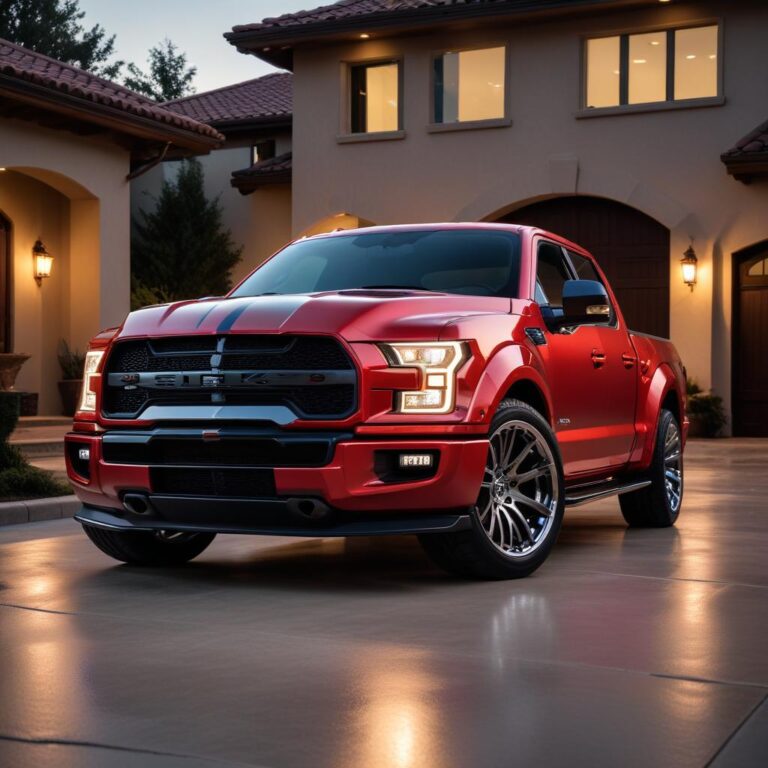
Ford trucks hold their value like few other vehicles on American roads. The F-150 regularly appears on “best resale value” lists, often retaining 50-60% of its original price after five years. Compare that to some sedans that drop to 35% in the same timeframe.
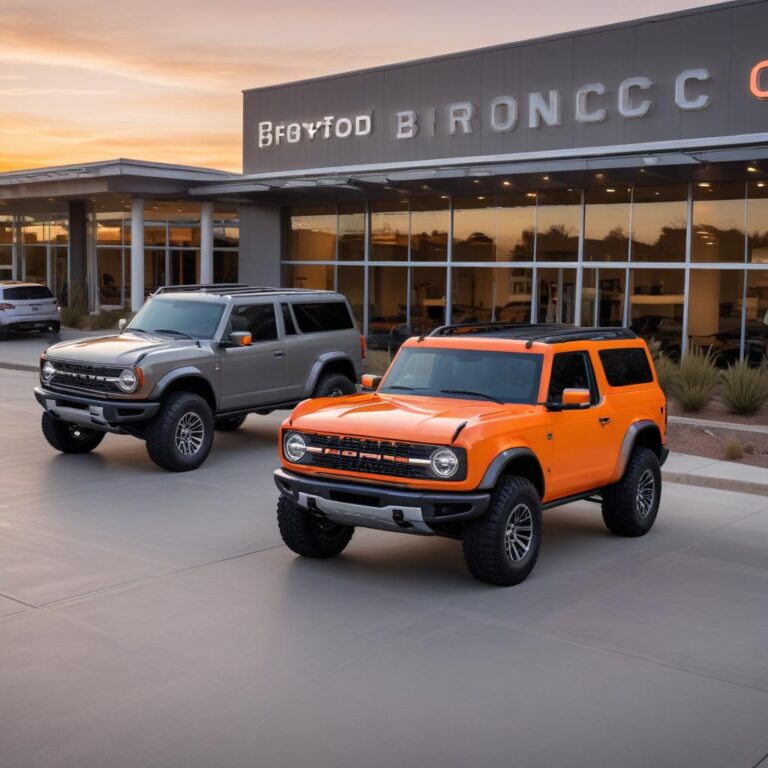
The Bronco? It’s become such a hot commodity that some used models are selling near MSRP even after a year of ownership. That’s almost unheard of in the automotive world.
Performance Features That Actually Matter
EcoBoost Technology: Smart Power for Real Driving
Ford’s EcoBoost engines changed the game when they arrived. Instead of choosing between power and efficiency, you get both. The technology uses twin turbochargers and direct fuel injection to squeeze more energy from every drop of gasoline.
Take the Explorer ST with its 3.0L EcoBoost V6. It produces 400 horsepower—numbers that used to require a big V8. Yet it still manages reasonable fuel economy for a three-row SUV. That’s engineering you can feel every time you merge onto the highway.
“Ford’s EcoBoost isn’t just marketing talk—it’s proven technology that delivers measurable performance gains without destroying your fuel budget.”
Transmission Options: More Important Than You Think
The 10-speed automatic transmission in modern F-150s isn’t just about having more gears. Those extra ratios mean the engine operates in its optimal power band more often. You get smoother acceleration, better towing control, and improved highway efficiency.
If you’re considering an older Ford, check whether it has the older 6-speed or the newer 10-speed. The difference in towing experience is substantial—especially on mountain grades with a loaded trailer.
Ford Model Performance Comparison
| Model | Engine | Horsepower | 0-60 mph | Starting Price |
|---|---|---|---|---|
| F-150 XLT | 2.7L EcoBoost V6 | 325 hp | 6.1 seconds | $44,400 |
| Mustang GT | 5.0L V8 | 486 hp | 4.3 seconds | $43,805 |
| Explorer ST | 3.0L EcoBoost V6 | 400 hp | 5.5 seconds | $51,480 |
| Bronco Raptor | 3.0L EcoBoost V6 | 418 hp | 5.8 seconds | $80,920 |
| Ranger Tremor | 2.3L EcoBoost 4-cyl | 315 hp | 6.9 seconds | $43,365 |
Technology and Safety: Non-Negotiable Features
Ford Co-Pilot360: Standard Protection
Most new Fords come with Co-Pilot360 technology as standard equipment. This includes automatic emergency braking, blind-spot monitoring, and lane-keeping assist. These aren’t luxury features anymore—they’re essential safety tools that can prevent accidents before they happen.
But here’s what salespeople won’t always tell you: different trim levels offer different versions of Co-Pilot360. The Assist+ package adds adaptive cruise control and evasive steering assist. If you do highway driving regularly, that upgrade is worth every penny.
SYNC Infotainment: Beyond the Touchscreen
The SYNC 4 system in newer Fords offers wireless Apple CarPlay and Android Auto, over-the-air updates, and cloud-connected navigation. The 12-inch or 15-inch touchscreens (depending on model) respond quickly and don’t freeze up like older systems.
Always test the infotainment system during your test drive—you’ll use it every single day.
Ford Performance Trends: Horsepower Evolution
Ford F-150 Horsepower by Engine Type (2020-2025)
What to Inspect During Your Test Drive
Listen for More Than Engine Sound
Start the vehicle cold if possible. Listen for unusual noises during startup—rattles, whines, or hesitation can indicate problems. With the engine running, check that all dashboard warning lights turn off within a few seconds.
Drive over bumps and rough pavement. The body-on-frame construction of Ford trucks should feel solid, not rattly. Any clunking from the suspension deserves investigation.
Test Real-World Scenarios
Don’t just cruise around the block. Get on the highway and test the acceleration. If you’re buying a truck for towing, ask if you can hook up a trailer. Most dealerships won’t offer this, but it’s worth asking. The difference between towing ratings on paper and actual towing feel is significant.
Always obey local speed limits and drive responsibly during test drives.
Warranty and Maintenance: Read the Fine Print
Ford’s basic warranty covers three years or 36,000 miles. The powertrain warranty extends to five years or 60,000 miles. These are decent, but not class-leading. Some competitors offer longer coverage.
Check if the vehicle qualifies for Ford’s certified pre-owned program if you’re buying used. The CPO warranty can save you thousands in unexpected repairs. It also includes a vehicle history report and a thorough inspection.
Service Intervals Matter
Modern Fords have longer service intervals than older models—sometimes 10,000 miles between oil changes with synthetic oil. But “longer intervals” doesn’t mean “skip maintenance.” Keep records of everything. A complete maintenance history dramatically increases resale value.
Frequently Asked Questions
What’s the difference between EcoBoost and a regular V6 engine?
EcoBoost engines use twin turbochargers and direct injection to produce more power from smaller displacement. A 2.7L EcoBoost makes similar power to a naturally aspirated 3.5L V6 while using less fuel. The technology allows Ford to offer V8-level performance with V6 fuel economy.
How does the Ford F-150 compare to the Chevy Silverado for reliability?
Both trucks have strong reliability records. The F-150’s aluminum body resists rust better than steel, while Silverado’s traditional construction some buyers find easier to repair. Recent J.D. Power studies show both trucks perform similarly in dependability ratings, though specific years vary.
What does the SYNC system do in my Ford?
SYNC is Ford’s infotainment platform that handles navigation, phone connectivity, voice commands, and vehicle settings. SYNC 4 (the latest version) includes wireless smartphone integration, cloud-based navigation, and over-the-air software updates. It also controls climate, audio, and available apps.
Are Ford trucks really more capable than competitors?
The F-150 offers the highest towing capacity in its class (14,000 lbs with the 3.5L PowerBoost) and payload up to 3,325 lbs depending on configuration. The Pro Power Onboard generator system is unique to Ford, providing up to 7.2 kW of exportable power—enough to run a job site or power your home during outages.
Should I get the 2.7L or 3.5L EcoBoost for my F-150?
For daily driving and light towing (under 8,000 lbs), the 2.7L EcoBoost offers excellent fuel economy and plenty of power. Choose the 3.5L if you regularly tow heavy trailers, need maximum payload, or want the fastest acceleration. The 3.5L also handles high-altitude driving better due to its larger turbos.
How long do Ford EcoBoost engines last?
With proper maintenance, EcoBoost engines regularly exceed 200,000 miles. The turbochargers are robust when you follow oil change intervals and allow the engine to cool before shutting down after hard driving. Some 2011-2012 EcoBoost V6s had timing chain issues, but Ford addressed this in later model years.
Is the Mustang GT worth the extra cost over the EcoBoost Mustang?
The GT’s 5.0L V8 produces 486 hp compared to the EcoBoost’s 315 hp—nearly 55% more power. You also get that distinctive V8 sound and stronger acceleration (4.3 seconds to 60 mph vs 5.1 seconds). If budget allows and you value raw performance and classic muscle car character, the GT delivers. For daily driving with occasional spirited runs, the EcoBoost is more practical.
Your Next Move
Buying a Ford means joining a community that values American engineering, practical capability, and vehicles built for real life. Whether you’re eyeing that Bronco for weekend adventures or an F-150 for work, remember: the smartest purchase considers every factor, not just the payment plan.
Which Ford model would you pick for your next drive? Share in the comments below—we’d love to hear what features matter most to you!
References:
- Ford Motor Company Official Specifications (ford.com)
- J.D. Power Vehicle Dependability Studies
- Kelley Blue Book Resale Value Awards
- Car and Driver Performance Testing Data