Bolt-On Power: Performance Parts That Wake Up Your Ford
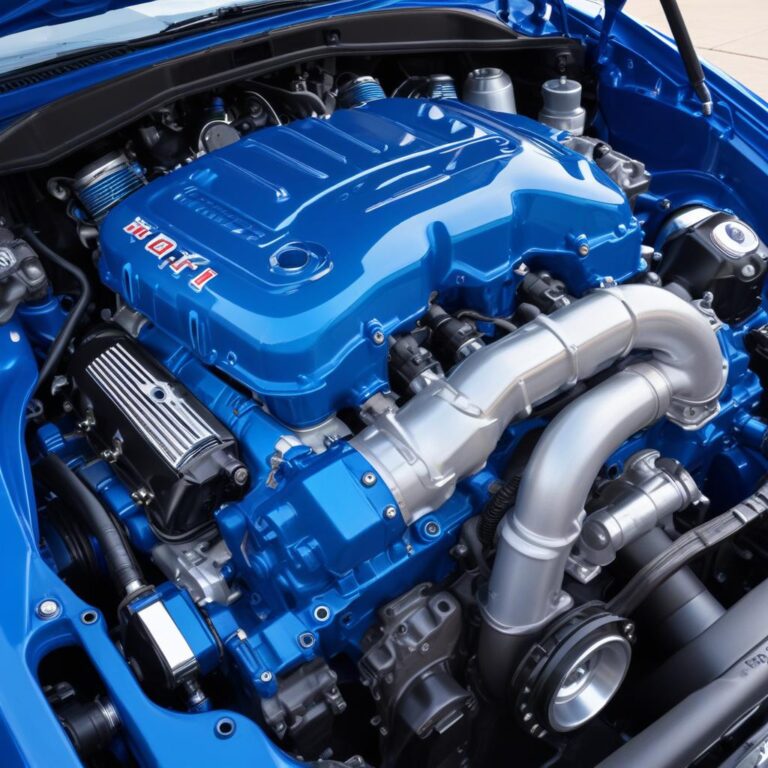
Ever hear the deep rumble of a V8 and just know it’s a Mustang? That feeling — the instant recognition of American muscle — is what Ford has been perfecting for over a century. But here’s what most drivers don’t know: your stock Ford is already sitting on a goldmine of untapped potential, just waiting for the right performance parts to bring it to life.
The Bolt-On Revolution: Making Your Ford Breathe Better
Ford engineers design vehicles with reliability and everyday drivability in mind. That’s smart business. But it also means your F-150, Mustang, or Explorer leaves the factory with plenty of room for improvement — and that’s where bolt-on performance parts come in.
Think of it like this: your engine is an athlete, and stock parts are everyday workout clothes. Bolt-on upgrades? Those are the performance sneakers that help you run faster without changing who you are.
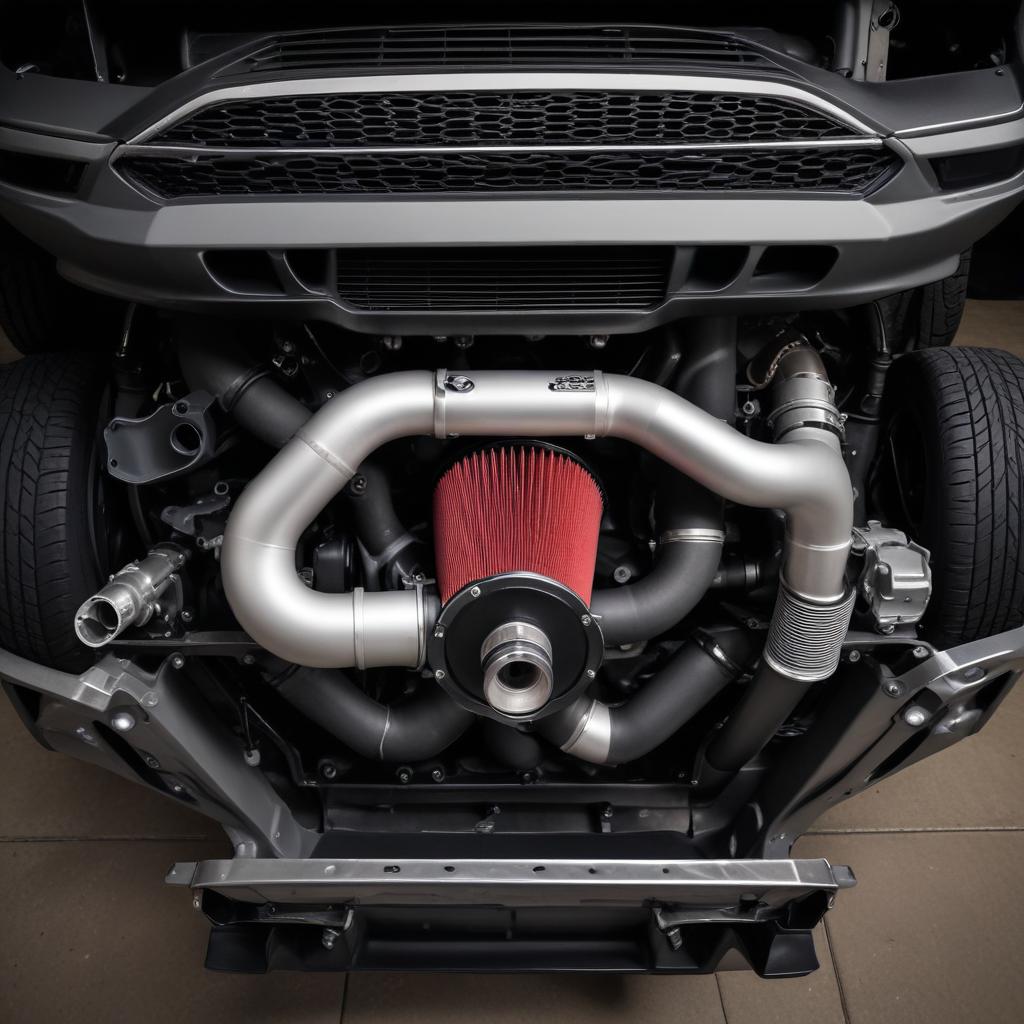
Cold Air Intakes: Let Your Engine Breathe
Your Ford’s engine is essentially a giant air pump. The more cold, dense air it can pull in, the more horsepower and torque it can produce. Factory air boxes do the job, but they’re designed to be quiet and affordable — not aggressive.
A quality cold air intake system replaces that restrictive factory box with a high-flow design that pulls cooler air from outside the engine bay. Cooler air means denser oxygen, which means better combustion.
Most drivers report gains of 5-15 horsepower and improved throttle response within minutes of installation.
The best part? Installation typically takes 30-60 minutes with basic hand tools. You don’t need to be a mechanic to make this upgrade happen.
“A cold air intake is like opening a window in a stuffy room — suddenly, everything just works better.”
Performance Exhaust Systems: Unleash the Beast
Now here’s the fun part: while your intake helps air flow in, your exhaust system needs to get those spent gases out efficiently. Stock exhaust systems use narrow pipes and restrictive mufflers to keep things whisper-quiet for the daily commute.
Cat-back exhaust systems replace everything from the catalytic converter backward with larger-diameter pipes and performance mufflers. The result? Better flow, reduced backpressure, and a deeper, more aggressive sound that’ll make you grin every time you start your truck.
For Mustang owners, a good exhaust system can add 10-20 horsepower while giving you that iconic muscle car growl. F-150 drivers often see improvements in towing capability and fuel economy under load.
Tuners and Programmers: The Brain Upgrade
Here’s where things get really interesting. Your Ford’s engine control unit (ECU) manages everything from fuel delivery to ignition timing. Factory settings are conservative — they need to work in Death Valley heat and Minnesota winters, on regular gas or premium.
A performance tuner or programmer recalibrates these settings for maximum output. We’re talking:
- Optimized fuel maps for better combustion
- Advanced timing curves for more power
- Transmission shift points that keep you in the powerband
- Throttle response adjustments for quicker acceleration
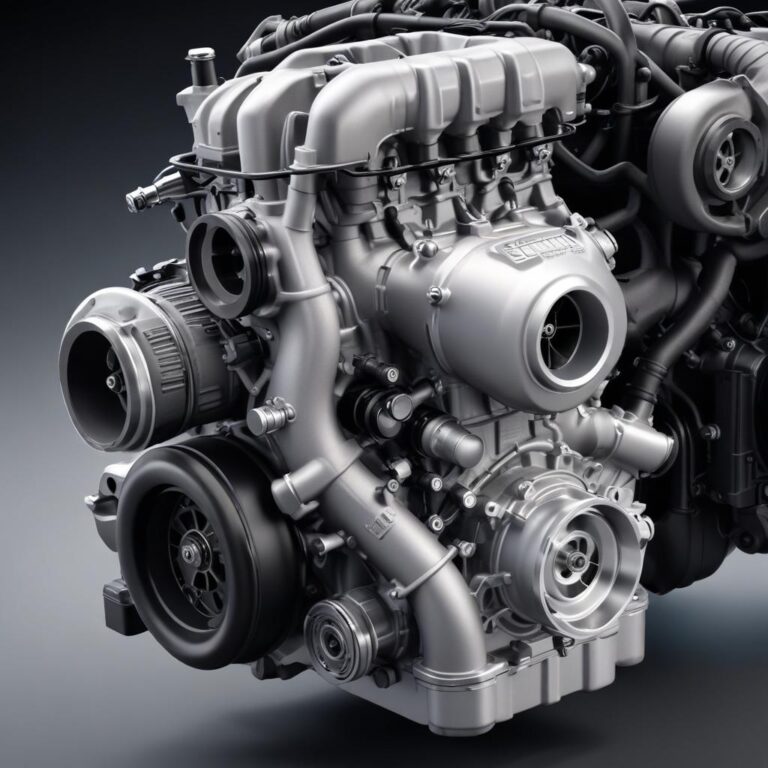
Quality tuners like those from SCT, Bully Dog, or DiabloSport can unlock 20-50 horsepower on EcoBoost engines and even more on naturally aspirated V8s. Some even offer multiple tune options — economy mode for daily driving, towing mode for hauling your boat, and performance mode for when you want to feel alive.
Always obey local speed limits and drive responsibly.
Throttle Body Spacers and Intake Manifolds
These parts sound technical, but the concept is simple. A throttle body spacer creates better air mixing before it enters your engine, while an upgraded intake manifold improves distribution to each cylinder.
Think of it like upgrading from a garden hose to a fire hose. Same water source, but the delivery system makes all the difference.
For V8-powered Mustangs and F-150s, these mods complement your cold air intake beautifully, often adding another 5-10 horsepower and improving torque across the RPM range.
Performance Comparison: Popular Ford Models
| Model | Engine Options | Horsepower | 0-60 mph | Starting Price |
|---|---|---|---|---|
| Ford Mustang GT | 5.0L V8 | 486 hp | 4.3 seconds | $42,000 |
| Ford F-150 Raptor | 3.5L Twin-Turbo V6 | 450 hp | 5.1 seconds | $76,000 |
| Ford Bronco Wildtrak | 2.7L EcoBoost V6 | 330 hp | 6.2 seconds | $55,000 |
| Ford Explorer ST | 3.0L EcoBoost V6 | 400 hp | 5.5 seconds | $51,000 |
| Ford Ranger Raptor | 3.0L EcoBoost V6 | 405 hp | 5.9 seconds | $57,000 |
Note: These figures represent stock performance. Bolt-on modifications can significantly improve these numbers.
Real-World Results: What Owners Are Experiencing
Talk to any Ford enthusiast who’s gone the bolt-on route, and you’ll hear the same story. The gains aren’t just on paper — they’re felt every time you merge onto the highway or pass a slower vehicle.
Jake from Texas added a cold air intake, cat-back exhaust, and tuner to his 2021 F-150 with the 3.5L EcoBoost. His truck went from 400 horsepower to around 450, and his quarter-mile times dropped by nearly half a second. More importantly, his towing experience improved dramatically with better low-end torque.
Sarah upgraded her Mustang GT with similar mods and reports not just more power, but a completely transformed driving experience. “The throttle response is instant now,” she says. “It feels like the car I always wanted it to be.”
The Budget-Friendly Approach
You don’t need to drop $5,000 to wake up your Ford. Here’s a smart progression:
- Start with a cold air intake ($200-400) — best bang for your buck
- Add a performance tuner ($300-600) — massive gains for the money
- Upgrade your exhaust ($500-1,500) — power plus sound
- Fine-tune with spacers and throttle upgrades ($100-300) — polish the package
Most drivers see combined gains of 30-60 horsepower with these four modifications, and the total investment is usually under $2,500.
The Ford F-Series has been America’s best-selling truck for over 47 years — and with good reason!
FAQ: Your Bolt-On Questions Answered
What’s the difference between EcoBoost and a standard V6?
EcoBoost engines use twin-turbo technology to force more air into the cylinders, creating more power from a smaller displacement. A standard V6 relies on natural aspiration. EcoBoost delivers V8 power with V6 fuel economy.
Will modifications void my Ford warranty?
It depends. The Magnuson-Moss Warranty Act protects consumers, meaning Ford can’t void your entire warranty just because you added a cold air intake. However, if your modification directly causes a failure, that specific repair might not be covered. Always keep your stock parts.
How much horsepower can I safely add to my Ford?
Most modern Fords can handle an additional 50-100 horsepower without internal engine modifications. Beyond that, you’re looking at upgraded internals like forged pistons and stronger connecting rods.
Do I need to use premium gas after installing a performance tuner?
Many aggressive tunes require 91-93 octane fuel to prevent engine knock. However, most quality tuners offer multiple maps — one for premium, one for regular gas. Check your specific tuner’s requirements.
Can I install these parts myself?
Absolutely! Cold air intakes and throttle body spacers are weekend projects with basic tools. Exhaust systems might require a lift or jack stands. Tuners simply plug into your OBD-II port — no mechanical skills needed.
How does the Ford F-150 compare to a Chevy Silverado for modifications?
Both trucks have massive aftermarket support. Ford’s aluminum body-on-frame construction means less weight to move, while Chevy’s traditional steel build appeals to some modifiers. Performance potential is nearly identical.
Will bolt-on mods hurt my fuel economy?
Not if you keep your right foot in check! Better airflow and optimized tuning can actually improve highway fuel economy by 1-2 mpg. However, all that extra power might tempt you to use it more often.
The Performance Chart: Ford’s Evolution of Power
Ford Performance Evolution: Horsepower Across Generations
Start Your Journey: Which Upgrade Calls to You?
The beauty of bolt-on performance parts is that you’re in control. Start small with a cold air intake and feel the difference. Add a tuner when you’re ready for serious gains. Build your dream Ford one upgrade at a time.
Remember, these modifications aren’t just about numbers on a dyno sheet. They’re about transforming your daily driver into something that makes you smile every time you turn the key. They’re about unlocking the potential Ford built into your vehicle from day one.
“Ford’s engineering isn’t just about raw horsepower — it’s about building vehicles that can work hard and play harder.”
Which Ford model would you pick for your next build? Share your dream setup in the comments below!
References & Further Reading
- Ford Performance Official – Factory performance parts and specifications
- MotorTrend Ford Reviews – Expert testing and real-world performance data
- F150Forum.com – Community insights and modification guides
- Mustang6G.com – S550 and S650 Mustang performance discussions